
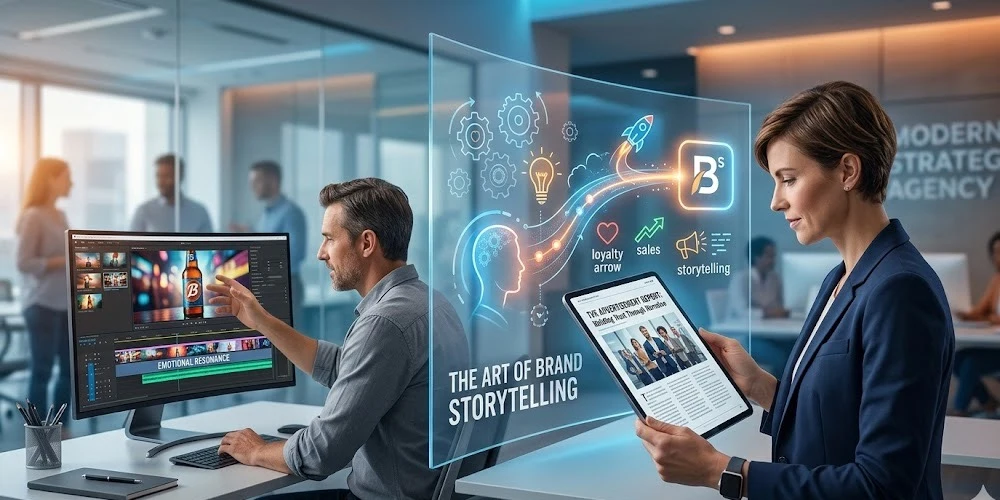
In today’s fast-paced, information-overloaded world, consumers spend over six and a half hours a day online. Traditional advertising methods—while still effective—often struggle to maintain the attention of audiences who are quick to skip past bold slogans and flashy graphics. In response, modern brands are pivoting toward more authentic, engaging, and narrative-driven marketing strategies. By leveraging advertisement reports, highly creative commercial ads, and immersive brand storytelling, companies are successfully forging deeper emotional connections with their customers.
The Rise of Advertisement Reports
As consumers become increasingly blind to traditional billboards and TV commercials, marketers are turning to the “advertisement report”—also known as an advertorial or reportage ad. According to industry insights, an advertisement report is a paid promotion designed to look and read like a standard magazine article or news piece.
Rather than relying on loud, persuasive slogans, advertisement reports are written in a neutral, unbiased tone. Their primary goal is to inform the reader about a product, service, or brand while naturally blending into the publication’s regular content. This content-like format helps advertisers bypass consumer skepticism, allowing them to build trust, establish credibility, and generate more meaningful engagement. Whether it’s a full-page spread in print media or sponsored content on social networks, ad reporting gives businesses a personalized way to leave a long-term impact on their target demographic.
Iconic Commercial Ads That Broke the Mold
While subtle advertorials are gaining traction, the traditional commercial ad has also evolved into a medium for high-art and powerful messaging. The most successful commercials of all time have transcended simple product placement by expertly combining creativity with emotional resonance.
For example, Apple’s iconic “1984” Super Bowl commercial, directed by Ridley Scott, never even showed the Macintosh computer it was advertising. Instead, it used bold, dystopian imagery referencing George Orwell’s novel to symbolize a fight against conformity, helping Apple sell 72,000 computers in just 100 days.
More recent examples showcase the power of visual effects and empathy. Coca-Cola’s “Masterpiece” ad utilized brilliant VFX to create interactive storytelling where inanimate art pieces come alive to pass a Coke bottle. Meanwhile, Dove’s “Reverse Selfie” commercial stepped away from centering its product and instead focused on the harm beauty stereotypes and social media editing can cause, utilizing reverse editing to reveal a subject’s natural, authentic self.
The Power of Brand Storytelling
At the core of both modern commercials and advertorials is the undeniable power of brand storytelling. Research indicates that almost all consumers agree that “good content” tells a story, and 82% of shoppers prefer a brand’s values to align with their own. Storytelling allows otherwise faceless corporations to humanize themselves.
A prime example is Formula 1’s collaboration with Netflix for the documentary series Drive to Survive. Rather than focusing strictly on the technicalities of the sport, the series highlights the human pressures facing drivers and mechanics. This storytelling approach successfully tapped into the US market, with 34% of US adults now expressing interest in F1.
Other brands use storytelling to highlight their core values and connect personally with audiences:
- Patagonia uses long-form YouTube videos, sometimes over 30 minutes long, to document community projects and demonstrate its serious commitment to ethical and environmental issues.
- Airbnb combatted rising travel costs by releasing campaigns featuring its first-ever hosts, Joe and Brian, reminding consumers that traveling is ultimately about human connection.
- Spotify humanizes its vast algorithm through its annual “Spotify Wrapped” campaign, turning raw streaming data into a personalized, highly shareable story about each user’s unique listening habits.
The Bottom Line
Whether a brand is utilizing a news-style advertisement report to build credibility, shooting a visually stunning commercial to leave a lasting impression, or launching a multi-platform storytelling campaign to showcase its ethical values, the goal remains the same. In the modern marketplace, loud isn’t enough; brands need to be heard right by offering value, authenticity, and a great story.
Leo Falsafi is a digital marketing veteran and senior journalist at Virlan.co, where he covers the intersection of digital marketing, gaming, and breaking US trending news. With nearly two decades of hands-on experience in SEO and digital strategy, Leo has consulted for and scaled hundreds of companies. His deep industry roots allow him to deliver sharp, fact-checked insights and analysis on the trends shaping today's digital landscape.