
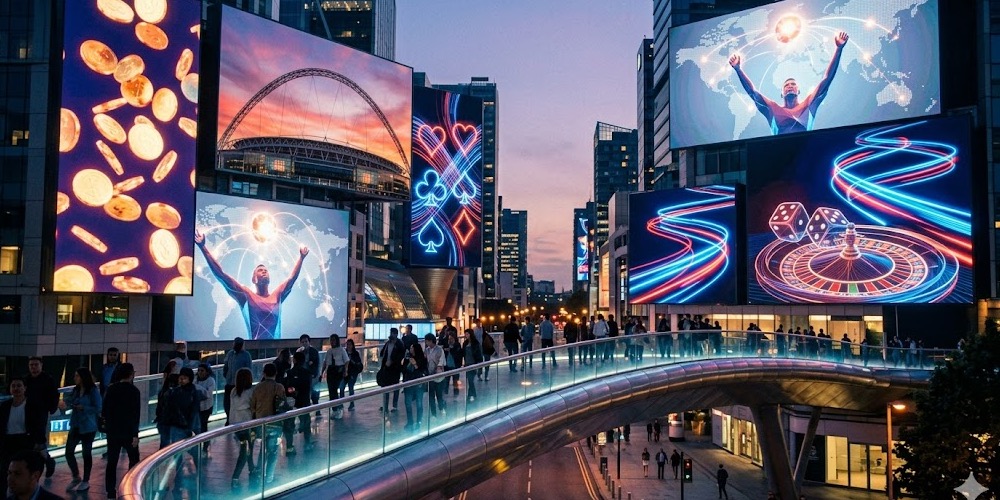
In the rapidly expanding and fiercely competitive world of public relations and digital advertising, few sectors present as many unique challenges as the gambling and iGaming industry. Historically, the gambling vertical has had to constantly juggle the excitement of gaming with stringent regulations and the societal need to champion responsible gambling. In this incredibly saturated environment, a company needs far more than just a wide array of games or a simple deposit bonus to stand out. It requires innovation, deep consumer understanding, and out-of-the-box thinking. Over the years, countless betting platforms, sportsbooks, and online casinos have engineered spectacular public relations (PR) stunts, digital marketing frameworks, and television commercials to cut through the noise. This article explores the most memorable, daring, and historically successful marketing campaigns within the gambling industry, analyzing what made them so effective and the lessons they offer for digital marketers globally.
The Blueprint of Disruption: Challenging the Status Quo
One of the key ways betting brands have made a massive impact is by positioning themselves as disruptors in a traditionally monopolized market. A prime example is Betfair. In the 2000s, Betfair revolutionized the online gambling industry by introducing peer-to-peer betting. Their “Exchange Betting for the People” campaign actively challenged traditional bookmakers by emphasizing the power of the individual. By allowing punters to set their own odds and bet against each other, Betfair created a feeling of freedom and control.
Years later, they returned to this core competency with an educational campaign partnered with Leo Burnett London, featuring 40 ads starring actor Clive Owen. These commercials aimed to simplify the complex mechanics of exchange betting, lowering the barrier of entry for new players and bringing a sense of prestige to the brand. In another magnificent stunt in 2008, Betfair secured a Guinness World Record for the World’s Largest Advertising Hoarding during EURO 2008 in Vienna, using local farmers and plants to spell out a massive message visible from airplanes.
Demystifying the Product: Education as a Marketing Tool
Gambling jargon can be highly intimidating for novice bettors. Ladbrokes, one of the UK’s oldest and most established betting brands, realized this during the rise of online gambling. To capture a new generation of players while retaining loyal customers, they launched the “How to Bet: Gambling Made Simple” campaign in the 2010s. By creating interactive guides, videos, and blog posts, Ladbrokes broke down complex odds and betting concepts. Instead of relying on aggressive, flashy advertising, they positioned themselves as an approachable and transparent brand. This focus on customer education built enduring trust and proved that making an intimidating product accessible to the masses is a phenomenal PR strategy.
Unforgettable PR Stunts and Provocative Advertising
When it comes to generating mainstream buzz, few brands rival Paddy Power. The Irish bookmaker is notorious for its provocative and sometimes controversial advertising methods. A standout example is their “Save Our Shirt” campaign. Paddy Power sponsored Huddersfield Town’s 2019/2020 football kit, initially revealing a jersey completely dominated by a massive, obnoxious Paddy Power logo. The football world erupted in outrage. Days later, Paddy Power revealed it was all a clever PR ploy—they were actually “unsponsoring” the shirt, leaving it entirely blank and giving it back to the fans. This genius move highlighted how sponsors had run roughshod over club kits and generated massive goodwill.
Another bold stunt came from Australian bookmaker Sportsbet.com.au ahead of the 2014 World Cup in Brazil. Knowing Australian punters lacked faith in the national team (the Socceroos), Sportsbet flew a massive 46-meter high hot air balloon replica of Rio de Janeiro’s iconic “Cristo Redentor” (Christ the Redeemer) statue over Melbourne. The balloon wore the green and gold colors of the Australian team with the hashtag #KeepTheFaith. Though it drew controversy for its religious undertones, it undeniably drummed up massive interest and remains one of the most remembered iGaming stunts to date.
Also read: The 2026 Guide to Hiring & Partnering with Elite SEO Writers for High-Stakes Niches
The Power of Celebrity Endorsements and VIP Glamour
Aligning a gambling brand with celebrity power instantly elevates its credibility and appeal. PokerStars dominated the 2000s with its ‘The Biggest Online Poker Site’ campaign, which leaned heavily on celebrity endorsements and professional ambassadorships. By signing players like Chris Moneymaker—who famously won the 2003 World Series of Poker (WSOP)—PokerStars tapped into the poker boom and became a household name.
Similarly, 888casino successfully brought the allure of Las Vegas to the online sphere with its “Vegas-Style Gaming” campaign. To emphasize luxury, authenticity, and high-end entertainment, they partnered with A-list celebrities like actor Brad Pitt. TV commercials echoed this vibe, such as 888 Casino’s “Take a Chance” UK TV ad, which paired sleek, sophisticated shots of blackjack and roulette with a deep, dramatic voiceover to appeal to thrill-seekers looking for an adrenaline kick.
Sportsbooks have also utilized the star power of athletes. Betsafe famously partnered with UFC champion Conor McGregor ahead of his highly publicized 2017 boxing match against Floyd Mayweather Jr. Betsafe rebranded a private jet as “Notorious Airways” and released a hilarious pre-flight safety video featuring McGregor laying down his own sham regulations. This campaign perfectly aligned the brand with McGregor’s colorful public persona, offering special betting odds and generating immense hype.
Community Building and Rebranding for a Broader Market
In an industry constantly striving to appeal to wider demographics, smart rebranding and community engagement are paramount. In 2019, PokerStars underwent a significant brand overhaul to become “The Stars Group,” signaling its shift from a strictly poker-oriented site to a comprehensive gaming and entertainment hub featuring casino games and sports betting.
Community-building has also proven wildly effective. Bet365’s “#Bet365” social media campaign leveraged hashtag marketing to create a vibrant community of bettors. By hosting challenges, quizzes, and predicting contests, Bet365 encouraged user-generated content, making the brand feel more authentic and connected to its fans. Meanwhile, William Hill launched its “It’s Who You Play With” campaign to shake off negative gambling stereotypes. By emphasizing the social, interconnected nature of sports betting across different social groups, William Hill depicted its customers as real people rather than isolated gamblers, successfully modernizing its premium brand image.
Also read:
- Understanding the Rules of the Game: Legal Restrictions on Gambling Advertising
- Maximizing Casino Email Marketing in 2026: The Ultimate Strategy for Player Retention and ROI
- The High-Stakes Game of Casino SEO: How to Rank Gambling Sites in 2026
- The Ultimate Guide to Sourcing iGaming Traffic: Native Ads, Best Networks, and Casino Promotion Strategies
Real-Time Engagement and Event-Driven Campaigns
Sports betting is inherently linked to live events, and the most successful digital marketing campaigns capitalize on real-time excitement. FanDuel, a giant in US daily fantasy sports, integrated a “Live Scoring” feature during live sporting events. By allowing users to track their fantasy teams in real-time and combining digital ads with live broadcasts, FanDuel created a deeply interactive experience. DraftKings utilized a similar strategy with their “For the Win” campaign, using dynamic storytelling and user-generated content to highlight the fast-paced, action-packed nature of fantasy sports.
Television advertising in the UK has perfected this real-time thrill. Bet365’s legendary “In-Play with Ray” commercial series features actor Ray Winstone offering live odds during sporting events. Winstone’s gruff, reassuring voice combined with the fast-moving nature of live betting firmly places the viewer in the center of the action, cementing Bet365 as the go-to platform for in-play sports bettors. Other TV approaches rely heavily on humor and atmosphere, such as Paddy Power’s cheeky “Don’t Think You’re Special” ads pushing inclusivity, or Gala Bingo’s bright, upbeat “Play Happy” campaign that focuses entirely on the sheer fun of the game rather than winning.
Event-Driven Ads are recognized as one of the most proven iGaming ad formats. Major events like the FIFA World Cup or Eurovision provide unique, time-sensitive opportunities. The excitement naturally generated by these rare events, combined with the short window to place a bet, heavily drives conversions.
Gamification, Mobile-First Strategies, and Proven Ad Formats
As digital consumption shifts, so do the formats of successful gambling ads. High-converting iGaming ad types rely on specific psychological triggers and technical optimizations.
- Time-Sensitive Bonuses: Exploiting the Fear Of Missing Out (FOMO) with phrases like ‘Last Chance’ or ‘Limited Time Special Offer’ consistently drives immediate action.
- Big Win Stories: Utilizing verified proof of massive payouts (e.g., “Texas Man Wins $500,000 on His First Spin”) targets the excitement and hope of potential players.
- Mobile-First Creatives: With players demanding on-the-go access, campaigns highlighting fast app downloads, one-tap deposits, and seamless mobile navigation are critical. 888 Holdings utilized a similar mobile-first focus in their global “Take Your Poker” campaign, encouraging users to play anywhere.
- VIP Program Teasers: Tailoring ads specifically for high-value players by promising luxury gifts, faster withdrawals, and personalized managers ensures brands capture the most lucrative demographic.
- Skill-Based Game Promotions: Directly targeting tactically-minded players by focusing on games that reward strategy over pure luck.
- Landing Page Synchronization: Ensuring that the ad creative perfectly matches the landing page offer (such as a specific “100 Free Spins” promotion) prevents user drop-off and maintains a cohesive funnel.
Furthermore, brands like Casumo have reinvented the traditional casino feel by embracing “Gamification.” The “Casumo Experience” campaign focused on fun, adventure, and playful branding rather than serious, high-stakes gambling. Using quirky characters and engaging animations, Casumo carved out a unique niche that appealed to casual gamers looking for entertainment.
The Imperative of Responsible Gambling
While excitement, disruption, and VIP rewards are effective acquisition tools, long-term brand sustainability in the iGaming sector demands a commitment to player safety. Betway recognized this and set itself apart with a comprehensive “Responsible Gambling” campaign. Instead of pushing for deposits, the campaign highlighted the tools and resources available to players to ensure a safe gaming experience. By championing social responsibility and clear messaging regarding addiction prevention, Betway built immense consumer trust and enhanced its reputation in a market often plagued by scrutiny.
The Hidden Framework Behind the Magic
Behind every viral PR stunt or high-converting TV ad lies a meticulously planned framework. To succeed in iGaming marketing, brands must avoid critical pitfalls. A common mistake is using generic Call-To-Action (CTA) buttons like “Play Now.” Audiences have developed an ad-blindness to these basic prompts. Instead, tailored CTAs like “Spin to Win!” or “Claim Your $500 Bonus!” drastically improve engagement.
Additionally, successful campaigns do not rely on a one-size-fits-all approach. Marketers must laser-target their audiences and tailor creatives to specific platforms (even down to differentiating between iOS and Android users, who behave differently and face different app store restrictions). Building a multi-stage funnel—from an engaging visual creative to a warm-up pre-landing page, and finally to a seamless registration landing page—is essential to prevent player bounce rates. Testing various creatives, analyzing scroll depth, and adjusting based on geographic locations (such as leveraging local cultural holidays for GEO-Targeted Seasonal Offers) are the silent gears turning behind the flashy banners.
Conclusion
The gambling and iGaming industry is an incredibly dynamic space where public relations and digital marketing must evolve rapidly. Whether it is through educating novices like Ladbrokes, pulling off audacious stunts like Paddy Power and Sportsbet, integrating celebrity glamour like PokerStars and Betsafe, or leveraging the real-time thrill of Bet365, the most successful campaigns share common traits. They understand their audience deeply, they dare to differentiate themselves from the competition, and they build authentic, emotional connections.
In a highly regulated environment, balancing the thrill of the win with the ethics of responsible gambling is the ultimate tightrope walk. By analyzing these historically great campaigns, marketers across all industries can learn the enduring value of storytelling, community building, and strategic innovation.
Leo Falsafi is a digital marketing veteran and senior journalist at Virlan.co, where he covers the intersection of digital marketing, gaming, and breaking US trending news. With nearly two decades of hands-on experience in SEO and digital strategy, Leo has consulted for and scaled hundreds of companies. His deep industry roots allow him to deliver sharp, fact-checked insights and analysis on the trends shaping today's digital landscape.