
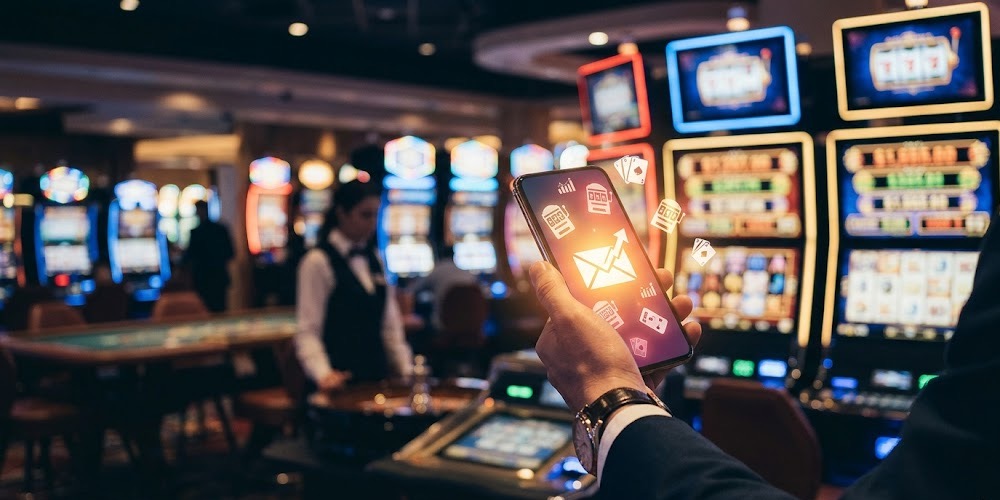
The casino and gambling industry never stands still. Between shifting regulatory frameworks, the rapid expansion of integrated physical resorts, and the booming online casino market, standing out in a crowded landscape requires more than just a flashy gaming floor. As we navigate through 2026, one digital strategy continues to prove itself as the undisputed king of return on investment (ROI): email marketing.
While some marketers are easily distracted by the newest social media trends or expensive paid ad campaigns, savvy casino operators know that email remains the most reliable and profitable channel. It offers unprecedented control over your messaging, timing, and data. Unlike traditional interruptive advertising—such as billboards, print media, or television commercials, which are becoming increasingly fragmented and expensive—email allows casinos to reach an engaged, opt-in audience directly.
By leveraging cutting-edge technology, artificial intelligence, and deep player data, casinos are transforming the humble inbox into a direct extension of the casino floor. Here is an in-depth look at how the gambling industry is maximizing email marketing to build trust, elevate the player experience, and drive massive revenue.
The Power of Loyalty Programs and First-Party Data
Email marketing has always been a natural fit for the gambling industry. While retail and e-commerce brands often struggle to capture customer data, casinos have a built-in mechanism for list building: the loyalty program.
Players’ club cards do more than just incentivize patrons to keep playing; they act as a massive, continuous data-gathering engine. Every swipe at a slot machine, scan at a restaurant, or booking at the resort hotel provides rich behavioral data. When tied to an email address, this data becomes the foundation of a highly lucrative digital marketing strategy.
In 2026, loyalty program integration relies heavily on seamless automation. Modern casinos use automated email flows to send personalized offers based on a player’s recent gameplay, dining habits, or hotel stays. For example, if a player consistently visits the steakhouse but rarely plays table games, their email promotions can be tailored to offer dining discounts bundled with introductory free-play vouchers to cross-sell new experiences. This level of behavioral targeting effortlessly bridges the gap between physical casino floors and digital engagement.
AI-Driven Hyper-Personalization
The days of simply inserting a recipient’s first name into an email greeting and calling it “personalization” are long gone. Today, personalization goes much deeper, powered by advanced artificial intelligence and machine learning tools.
Research from McKinsey indicates that comprehensive personalization can drive a 10% to 30% revenue lift. Casinos are uniquely positioned to capitalize on this because of the sheer volume of data they possess. AI technologies allow operators to deliver hyper-personalized messages based on player demographics, risk tolerance, preferred game volatility, and past spending behaviors.
True personalization means tailoring the email content to reflect the player’s favorite slot machines, their preferred tier status perks, or their geographic location. A local resident might receive a mid-week dining special and a free parking pass, whereas an out-of-state VIP might receive a fully comped weekend hotel package and an invitation to an exclusive baccarat tournament. When an email speaks directly to a player’s specific desires, it builds immense trust and dramatically increases conversion rates.
Gamification and Interactive Content
A static, text-heavy email no longer cuts it for an audience seeking entertainment. The most successful casino emails in 2026 feature interactive, gamified content that brings the thrill of the casino directly into the inbox.
Instead of plainly stating a promotional offer, forward-thinking casinos are embedding interactive elements like digital scratch cards, embedded polls, countdown timers for upcoming events, or “spin-to-win” slot machine graphics. Imagine opening an email and physically tapping your screen to spin a digital wheel that reveals a surprise free-play bonus. This type of gamified content resonates deeply with gaming audiences, keeping them engaged longer and drastically boosting click-through rates.
Furthermore, these emails must be mobile-optimized. With well over half of all emails now opened on mobile devices, responsive design is non-negotiable. Successful campaigns prioritize clean, single-column layouts that render beautifully on small screens, utilizing bold Calls-to-Action (CTAs) that allow guests to RSVP to events, claim rewards, or book hotel rooms with a single tap.
Smart Segmentation and Lifecycle Marketing
To maximize the effectiveness of a campaign, operators must move beyond the “batch-and-blast” approach. Sending the exact same email to one million database members is a surefire way to increase unsubscribe rates and damage sender reputation.
Smart segmentation involves dividing your audience into micro-segments. You can segment players by their gaming history, average daily theoretical loss (ADT), frequency of visits, or digital engagement metrics.
By analyzing these segments, marketers can deploy specific lifecycle campaigns:
- Welcome Series: Introducing new sign-ups to the brand, explaining the loyalty tier benefits, and offering an initial deposit match or free-play bonus.
- VIP Engagement: Identifying high-value players and granting them exclusive access to high-stakes tournaments, private concerts, or dedicated casino hosts.
- Win-Back Campaigns: Utilizing predictive analytics to identify churn risks—players who haven’t visited in 90 days, for instance—and deploying automated re-engagement campaigns with aggressive “we miss you” bonuses to bring them back to the property.
Crafting the Perfect Casino Email
The anatomy of a successful casino email boils down to psychology, clarity, and persuasive triggers.
It starts with the subject line, which is arguably the most critical component of the campaign. Nearly half of all email recipients decide whether to open a message based entirely on the subject line. Data shows that subject lines between 61 and 70 characters tend to yield the highest open rates (hovering around 43%). To stand out in a crowded inbox, casinos utilize persuasive triggers—words that imply urgency, scarcity, and exclusivity, such as “Invitation,” “Exclusive VIP Access,” or “Last Chance.”
Once the email is opened, the body copy must be sharp and focused. Readers have short attention spans; the value proposition must be obvious within seconds. High-quality visuals that amplify the message, combined with concise copy and a clear CTA, ensure the player knows exactly what steps to take next. Moreover, constant A/B testing of subject lines, CTA button placements, and visual assets ensures that the brand is continually optimizing its approach based on real user data.
Navigating Legalities, Ethics, and ESP Constraints
While the potential for revenue generation is massive, casino email marketing comes with unique hurdles that operators in other industries do not face.
First and foremost is the issue of Email Service Provider (ESP) compliance. It is a little-known fact that many top-tier ESPs explicitly forbid casino, gambling, and sports betting content on their platforms due to their Acceptable Use Policies (AUP). Sending gambling-related emails through a non-compliant provider can result in immediate account suspension, blacklisted domains, and catastrophic damage to your sender reputation. Casinos must partner with specialized ESPs that explicitly allow iGaming and casino content and understand the nuances of the industry.
Beyond platform rules, casinos must strictly adhere to legal regulations and ethical standards. Compliance with data protection laws, such as GDPR in Europe or various state-level privacy acts in the US, is mandatory. Operators must ensure they have obtained explicit, recorded consent before sending promotional materials.
Ethically, casinos bear a responsibility to promote safe gambling. This means avoiding deceptive subject lines, honoring opt-out and unsubscribe requests immediately, and actively avoiding the targeting of vulnerable individuals. Integrating responsible gaming messages and self-exclusion links within the email footer is not just a legal best practice; it is vital for maintaining a reputable brand image.
Measuring Success for Continuous Growth
Ultimately, the power of email marketing lies in its trackability. Every open, click, bounce, and conversion can be meticulously measured.
By closely monitoring key performance indicators (KPIs) like click-through rates, conversion metrics, and total revenue generated per campaign, marketing teams can identify exactly what resonates with their audience. Are the emails hitting spam folders? Are the links functioning correctly? Is the overall return on investment justifying the promotional spend?
By continuously analyzing these metrics, testing new interactive elements, and refining their segmentation strategies, casinos can ensure their email marketing remains their safest bet for long-term growth. In an era where customer attention is the most valuable currency, a well-executed casino email marketing strategy is the ultimate ace in the hole.
Leo Falsafi is a digital marketing veteran and senior journalist at Virlan.co, where he covers the intersection of digital marketing, gaming, and breaking US trending news. With nearly two decades of hands-on experience in SEO and digital strategy, Leo has consulted for and scaled hundreds of companies. His deep industry roots allow him to deliver sharp, fact-checked insights and analysis on the trends shaping today's digital landscape.