

Blockpost
Fullscreen: Desktop, Android & IOS
Blockpost Just Broke Free: Your Digital Prison Door is Officially OPEN!
After a period of frustrating digital lockdown, the popular browser-based shooter Blockpost has officially been unblocked, sending waves of excitement through its dedicated player base. This sudden reversal means gamers can once again dive into its pixelated battlegrounds without needing workarounds, sparking fresh debate on digital access, IT policies, and the evolving cat-and-mouse game between restrictive networks and determined players.
For weeks, a shadow loomed over the digital playgrounds of countless students and casual gamers. Blockpost, the beloved pixel-art first-person shooter accessible directly from a browser, found itself behind a digital iron curtain. Network administrators, particularly in educational institutions, had deemed it a distraction, a drain on bandwidth, or perhaps, a ‘security risk’. But today, that curtain has dramatically lifted.
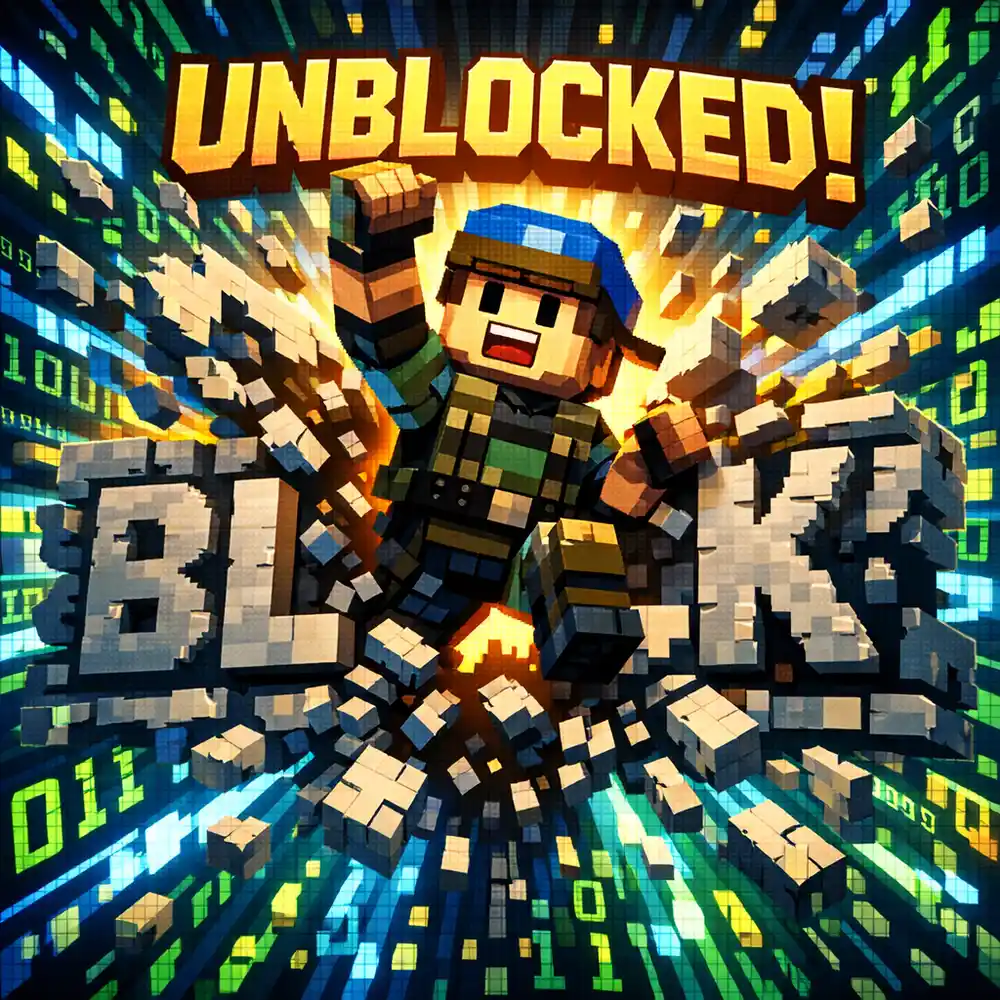
The Great Unblocking: What Really Happened?
The news erupted across gaming forums and social media channels: Blockpost is unblocked! While the exact reasons for the sudden reversal remain somewhat shrouded in the often-opaque world of IT policy, speculation points to several factors. It’s possible that a re-evaluation of network traffic, an update to content filtering algorithms, or even direct appeals from frustrated students and gamers played a role. This isn’t just about one game; it highlights a recurring struggle between access and restriction in the digital age, where a single click can either open a world or slam a door shut. For now, the door to Blockpost’s vibrant battlegrounds is wide open again, much to the delight of its loyal community.
Beyond the Pixels: Why Blockpost Matters
Blockpost isn’t just another online game; it represents an accessible escape for many. Its browser-based nature means no downloads, no hefty system requirements, just instant fun. For students navigating long school days or seeking a quick mental break, titles like Blockpost offer a valuable outlet for stress relief and social connection. This accessibility is precisely why its blocking causes such a stir. The ability to engage in quick, competitive matches fosters a sense of community and provides a much-needed mental diversion, proving that sometimes, a simple pixel shooter is more than just a game – it’s a vital part of someone’s digital well-being.
The Endless Game of Cat and Mouse: IT vs. Player
The saga of Blockpost’s blocking and unblocking is a microcosm of a larger, ongoing battle. On one side, IT departments and network administrators are tasked with maintaining network integrity, ensuring cybersecurity, and often, enforcing policies aimed at minimizing distractions. On the other, determined players, armed with ingenuity and a desire for digital freedom, constantly seek ways to circumvent these restrictions. This isn’t necessarily a malicious act; often, it’s a quest for entertainment and autonomy. The unblocking of Blockpost suggests a temporary win for the players, but the underlying tension between control and access in controlled network environments remains a persistent challenge for both sides.
Navigating the Digital Wild West: Access Solutions & Digital Freedom
When Blockpost was blocked, players quickly turned to a myriad of access solutions. From VPNs and proxy sites to custom browser extensions and ingenious DNS workarounds, the internet is rife with tools designed to bypass restrictions. This demand for ‘unblocked games’ highlights a deeper yearning for digital freedom – the ability to access content without arbitrary censorship or technological barriers. The availability of such tools empowers users but also presents dilemmas for those managing networks, constantly forcing them to update their defenses. The Blockpost unblocking simplifies things for now, but the spirit of digital exploration and circumvention will undoubtedly continue.
Is This a Permanent Truce? Online Security Concerns Persist
While the immediate jubilation is understandable, it’s crucial to consider the broader implications. Why was Blockpost blocked in the first place? Often, network restrictions cite concerns over bandwidth usage, inappropriate content exposure, or potential cybersecurity vulnerabilities posed by external game servers. Has the unblocking addressed these concerns, or is it a temporary reprieve? Players should remain vigilant, understanding that network policies can shift without warning. The digital landscape is ever-evolving, and while today marks a victory for accessible gaming, the conversation around online security, responsible network usage, and digital policy will continue to play a critical role.
While widespread reports confirm Blockpost is now accessible in many previously restricted networks, specific institutional or regional policies may still apply. It’s always best to check your local network’s status.
Common reasons for blocking games like Blockpost include concerns over bandwidth consumption, potential distractions in educational settings, and perceived cybersecurity risks or content filtering policies.
Playing games on public or school networks carries general risks like data usage monitoring. While Blockpost itself is a legitimate game, users should always be cautious about using unofficial “unblocked game” sites, which may host malware or intrusive ads.
Network policies can change. While currently unblocked, there’s no guarantee it will remain so indefinitely. The “cat and mouse” game between network administrators and players is ongoing.
Methods like VPNs or proxy servers are commonly used to bypass network restrictions. However, using such tools might violate your network’s acceptable use policy, so proceed with caution.