
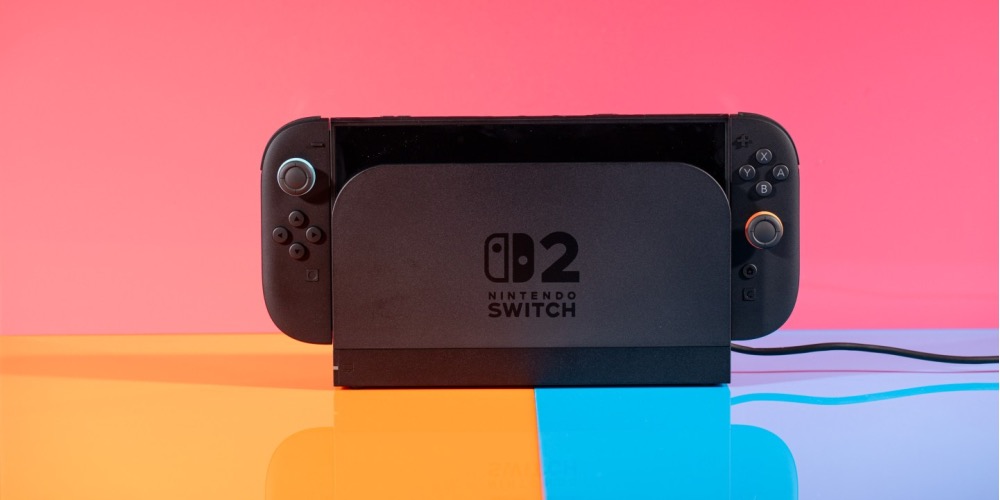
The gaming community has been jolted by a surprising and significant announcement from one of the industry’s most beloved giants. Nintendo has officially confirmed that the price of its flagship Switch 2 console will increase globally, effectively ending the relatively short-lived launch-pricing era of the hardware. Released just last June to massive fanfare—spurring lines from Tokyo to Manhattan—the Switch 2 is now facing the harsh realities of the current global economic landscape. With skyrocketing component costs, geopolitical uncertainties, and shifting market dynamics, Nintendo is passing some of the manufacturing burden onto the consumer, raising the base price of the console by $50 in the United States and implementing similar hikes across other major global regions.
The Global Pricing Breakdown
Starting September 1, 2026, gamers looking to jump into the Nintendo ecosystem will have to pay a premium. The standard Nintendo Switch 2 will jump from its initial launch price of $449.99 to a new MSRP of $499.99 in the United States. Our neighbors to the north in Canada will see the console’s price elevate from $629.99 CAD to $679.99 CAD.
In Europe, the cost will increase from €469.99 to €499.99 across most participating nations. Meanwhile, the United Kingdom, where the console currently retails for £395.99, is awaiting a finalized revised price that Nintendo has stated will be confirmed at a later date.
Japan, Nintendo’s home base, will experience the price hike much sooner. Effective May 25, the price of the Switch 2 will increase from 49,980 yen to 59,980 yen. Furthermore, this change in Japan will also affect a special Japanese-language version of the Switch 2, all original Switch models, and even the subscription prices for Nintendo’s online services, which have traditionally been cheaper in the domestic market compared to international pricing.
Nintendo issued a public statement addressing the frustration this news will inevitably cause. “We sincerely apologize for the impact these price revisions may have on our customers and other stakeholders, and we deeply appreciate your understanding,” the company said, noting that “changes in market conditions” over the medium to long term necessitated the pivot.
The Root Causes: AI Data Centers, Tariffs, and Supply Chains
What exactly is driving this unprecedented mid-generation price hike for a console that has been on the market for less than a year? The primary culprit is a severe global memory crunch. The Nintendo Switch 2 relies heavily on specific high-end components, namely Random Access Memory (RAM) and high-speed flash storage. Recently, the tech world has seen a massive, insatiable demand for these exact components to build out artificial intelligence (AI) data centers. The generative AI boom has cannibalized the supply chain for memory chips, causing a severe shortage and driving up costs at an exponential rate.
Nintendo is not isolated from these macroeconomic tech trends. The company’s financial forecast for the year ending March 2027 reflects an approximate 100 billion yen ($637.8 million) negative impact directly tied to rising component prices, particularly for memory.
Beyond the AI-driven memory crunch, geopolitical tensions are playing a substantial role. Nintendo has cited “tariff measures” initiated by US President Donald Trump around the time of the console’s release as a major pressure point. Furthermore, financial analysts have pointed out that growing uncertainty caused by the ongoing war in Iran has severely threatened global shipping lanes and supply chain stability, adding hidden logistical costs to every unit shipped across the globe.
Financial Fallout and Adjusted Forecasts
The cost of doing business in 2026 has significantly altered Nintendo’s financial outlook, leading to a bearish forecast that has sent ripples through the stock market. Since hitting a record high above 14,000 yen in August following the Switch 2’s massively successful launch window, Nintendo’s shares have tumbled nearly 50%.
Despite a stellar past year—where the company sold an impressive 19.86 million Switch 2 units since June and generated 424.0 billion yen ($2.7 billion) in profit, marking a 52% year-over-year increase—the future looks remarkably different. For the current fiscal year ending March 31, 2027, Nintendo expects to sell only 16.5 million units of the Switch 2. This represents a significant decline and defies the traditional console lifecycle logic, where sales usually peak or grow in the second year rather than shrink.
Net sales forecasts have been adjusted to 2.05 trillion yen, an 11.4% decline year-over-year that misses analyst expectations of 2.46 trillion yen. Furthermore, Nintendo projects a 27% drop in net profit to 310 billion yen, falling vastly short of the 418.5 billion yen that market experts had anticipated. As Kantan Games CEO Serkan Toto noted, “The clock was ticking for Nintendo for months now. The impact is quite dramatic, as console sales usually go up in the second year — and not down as Nintendo predicts this time.”
How Consumers Can Avoid the Hike
With the September 1 deadline looming (and the May 25 deadline fast approaching for Japan), savvy consumers still have a brief window to purchase the Switch 2 at its original launch pricing. More importantly, limited-time promotional bundles offer the best value before the new MSRP takes over.
Currently, the most attractive offer on the market is the Nintendo Switch 2 – Super Mario Galaxy 1+2 Bundle. Priced at the current standard $449.99 (or occasionally discounted to $499 at select retailers with extra peripherals), it effectively gives buyers the console and the highly anticipated game collection at a major discount—amounting to roughly $70 in savings when factoring in the impending standalone price increase. However, this specific bundle deal expires on May 9, 2026, meaning consumers have an incredibly tight window to capitalize on it.
Another viable option is the Mario Kart World bundle, a limited-edition offering currently sitting at a $499 MSRP and available primarily via GameStop online. It remains unclear whether retailers will absorb the impending $50 price hike on existing stock of bundles or pass the cost along to the buyer. When Sony similarly raised the price of the PlayStation 5, its unaffected bundles sold out almost instantly. Consumers on the fence are strongly advised to lock in their purchases now before retail algorithms adjust to Nintendo’s new pricing reality.
The Industry Precedent and Software Strategy
Nintendo is not the first to break the unwritten rule of static console pricing. They are following in the footsteps of their primary hardware rival, Sony. Just last month, Sony announced further price increases on its PlayStation 5, raising the cost by $100 in the US and £90 in the UK, blaming “continued pressures in the global economic landscape.” Valve has also delayed its highly anticipated PC-console hybrid device due to similar supply chain and component cost issues. Gaming hardware is simply becoming more expensive to manufacture, and the era of the $300-$400 flagship console may be firmly behind us.
To counter the projected slump in hardware sales, Nintendo is doubling down on its software and multimedia ecosystem. “It is now absolutely critical for Nintendo to release blockbuster first-party games as fast as possible in order to drive sales,” Toto emphasized.
Thankfully, the company has a robust pipeline. Pokémon Pokopia has emerged as a surprise smash hit, receiving rave reviews and becoming one of the console’s best-selling titles to date. Later this year, fans can expect new entries in the Splatoon and Starfox franchises, with two major Pokémon games scheduled for next year. Beyond the interactive medium, Nintendo’s transmedia strategy is paying immense dividends; The Super Mario Galaxy Movie, produced alongside Universal and Illumination, has grossed nearly $900 million globally, proving that the IP’s value extends far beyond the plastic of the console itself.
Conclusion
The Nintendo Switch 2 price hike is a watershed moment for the 2026 gaming market, reflecting broader global economic challenges from AI resource hoarding to international trade policies. While the initial sting of a $50 price increase will undoubtedly frustrate late adopters, the reality is that the cost of digital entertainment is rising across the board. For gamers looking to upgrade, the message is clear: the best time to buy a Switch 2 was at launch, but the second-best time is today, before September rolls around and the new premium price tags become permanent.
Leo Falsafi is a digital marketing veteran and senior journalist at Virlan.co, where he covers the intersection of digital marketing, gaming, and breaking US trending news. With nearly two decades of hands-on experience in SEO and digital strategy, Leo has consulted for and scaled hundreds of companies. His deep industry roots allow him to deliver sharp, fact-checked insights and analysis on the trends shaping today's digital landscape.