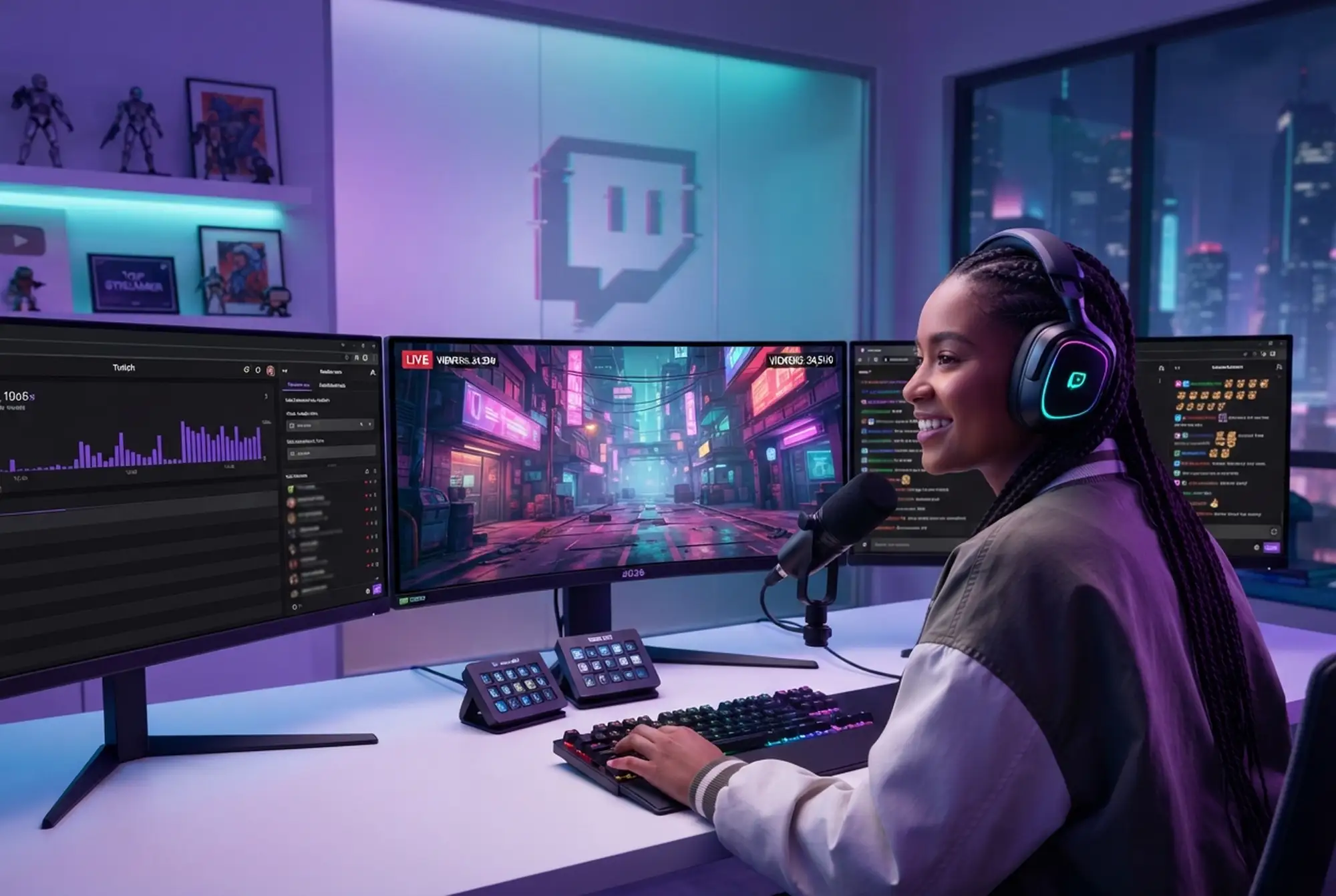
What Is Twitch?
Twitch is the world’s leading live streaming platform, owned by Amazon since 2014. It’s a place where creators broadcast real-time video content to audiences who watch, chat, and interact instantly. Think of it as a combination of YouTube Live and a social network, all designed around the idea that what happens on stream is happening right now—not recorded, not edited, but live.
Launched in 2011 as a spinoff from Justin.tv, Twitch has grown from a gaming-focused platform into something much broader. Today, while gaming remains the heart of Twitch, the platform hosts streams about art, music, cooking, fitness, travel, education, and just about everything else you can imagine. Over 140 million people visit Twitch monthly, with roughly 10 million active content creators, making it not just a platform but an ecosystem.
What sets Twitch apart is its real-time, interactive nature. Unlike pre-recorded videos, streaming builds a live community. Viewers can chat with streamers and each other during broadcasts, subscribe to support creators, send tips called Bits, and build genuine relationships. For creators, Twitch offers monetization opportunities: subscriptions, advertising revenue, donations, and sponsorships. For viewers, it’s endless entertainment and a chance to be part of something happening live.
A Brief History of Twitch
Twitch didn’t invent live streaming, but it perfected it for a generation that wanted to watch everything—especially other people playing games. Justin Kang and Emmett Shear launched Justin.tv in 2007 as a 24/7 lifestreaming platform. When gaming became the dominant category, they spun off Twitch in May 2011, and it immediately found its audience.
The platform’s breakthrough came during major gaming events. When esports tournaments were broadcast on Twitch, hundreds of thousands tuned in live. Streamers began building loyal fan communities. The platform was built for interaction, not passive consumption, and that changed everything.
In 2014, Amazon acquired Twitch for $970 million. The move raised eyebrows at the time—why would an e-commerce giant want a video platform?—but Amazon understood Twitch’s potential. Over the following years, Amazon integrated Twitch with Prime Video, improved infrastructure, added tools for creators, and expanded beyond gaming.
By 2020, with the pandemic keeping people home, Twitch usage exploded. People discovered it wasn’t just for games: creators were streaming music, art, work-from-home days, fitness classes, and conversations. The platform evolved. By 2026, Twitch is a cultural institution where millions of streamers reach billions of viewing hours annually.
How Twitch Works: Streamers, Viewers, and Community
At its core, Twitch operates on a simple three-part system: creators, viewers, and the platform itself.
Streamers (Creators)
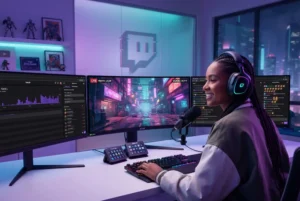
A streamer is anyone who broadcasts live video on Twitch. They use a camera, microphone, and streaming software to send video to Twitch’s servers, which then distribute that stream to viewers worldwide. A streamer might be playing a video game, creating art, performing music, hosting a talk show, or doing anything else that holds an audience.
Streamers range from hobbyists streaming for fun to full-time professionals earning six figures. A small streamer might have 5 viewers in a cozy community. A top streamer like Pokimane, xQc, or Valkyrae can have 50,000+ concurrent viewers. Every streamer creates their own vibe, schedule, and community culture.
Viewers and Chat
Viewers are the audience. Anyone can go to Twitch, find a stream, and watch for free. While watching, viewers can chat in real time with the streamer and other viewers. This chat is where Twitch’s magic happens. A streamer might read chat messages on stream, answer questions, respond to donations, or acknowledge subscribers. For viewers, chat transforms passive watching into active participation.
The Stream Itself
The stream is the live video broadcast. It happens in real time, which means no edits, no do-overs, no script. Streamers are just… themselves, for hours at a time. Some streams are chaotic and comedic; others are highly professional. Some streams are short, others go 12+ hours. The unpredictability is part of the appeal.
How Much Do 100 Gifted Subs Cost on Twitch? (And Are They Worth It?)
Key Features of Twitch
Twitch has evolved far beyond a simple video player. Here are the core features that make it work:
Subscriptions
Viewers can subscribe to their favorite streamer’s channel for $4.99, $9.99, or $24.99 per month. Subscriptions come in three tiers, and streamers keep about 50% of the subscription revenue (Amazon takes the other 50%, though some top streamers negotiate better rates). Subscribers get perks like ad-free viewing, exclusive emotes (custom emoji), subscriber-only chat, and a sense of supporting their favorite creator. Most streamers also offer monthly resubs as a ritual their community enjoys.
Bits and Donations
Bits are Twitch’s virtual currency. Viewers buy Bits and use them to “cheer” during streams—essentially tipping the streamer. A streamer receiving Bits often gets a visual and audio notification on stream, creating a public moment of recognition. Streamers also accept direct donations through third-party services, and viewers sometimes send gifts or sponsorship offers.
Emotes
Emotes are small custom images used in chat, similar to emoji. Channels have their own emotes, often created by the community or designed by the streamer. Some emotes become iconic within Twitch culture, recognized and used across different channels. Emotes are a big part of Twitch community identity.
Raids
A raid is when one streamer ends their stream and sends their entire audience to another streamer’s channel. It’s a way for creators to support each other and help smaller streamers grow. If a mid-size streamer with 500 viewers raids a smaller streamer, it can be life-changing for that small creator.
Clips
Clips are short video segments (up to 60 seconds) that viewers can create from a stream. A viewer can clip a funny moment, an incredible gaming play, or a heartfelt conversation, and it gets saved to that streamer’s Clips page. Clips are how Twitch content spreads beyond the platform to social media like Twitter, TikTok, and YouTube.
Categories and Tags
Streams are organized by category (Games, Creative, Music, IRL, etc.) and tags. A “Just Chatting” stream is different from a “Dark Souls” stream, which is different from a “Painting” stream. This organization helps viewers find the content they want.
Main Content Categories on Twitch
While gaming built Twitch, the platform now hosts a diverse range of content:
Gaming
Gaming is still the largest category. Streamers play anything from triple-A releases like Baldur’s Gate 3 and Final Fantasy XVI to indie games to retro classics. Speedrunning, competitive esports, and casual couch co-op are all popular. Gaming streams range from casual play to high-stakes tournaments with prize pools in the millions.
Just Chatting
The “Just Chatting” category is conversations, commentary, and unstructured broadcasts. A streamer might discuss current events, react to YouTube videos, have guests on, or host Q&A sessions. It’s pure personality-driven content.
Creative
Creative covers art, music production, animation, game development, writing, and more. Digital artists stream their process, musicians compose in real time, and indie developers build games live. It’s often as much about learning and inspiration as entertainment.
IRL (In Real Life)
IRL streams take the camera outside. Streamers explore cities, attend events, stream from parks, go on road trips, or just walk around their neighborhood. IRL streaming requires mobile broadcasting technology but connects viewers to real-world experiences.
Music
Musicians stream performances, practice sessions, DJ sets, and collaborations. Twitch has become a significant platform for independent musicians to reach global audiences.
Other Categories
Twitch also hosts streams about fitness, cooking, education, craft hobbies, and more. If there’s an audience for it, there’s probably a category or tag for it.
Twitch Adblock: What Viewers Need to Know in 2026
How Twitch Compares to YouTube Live
YouTube Live and Twitch both offer live streaming, but they’re different platforms with different philosophies.
Twitch is designed first and foremost for live interaction. The chat is central, built-in features like Bits and subscriptions are native, and the culture emphasizes real-time connection. Streamers on Twitch often say their viewers feel like community members, not just viewers.
YouTube Live is built into YouTube’s broader video platform. Viewers can easily transition from watching recorded videos to live streams from the same creator. YouTube’s recommendation algorithm is powerful, potentially reaching wider audiences. However, live chat on YouTube can feel less central to the experience, and monetization is tied more closely to YouTube’s overall ecosystem.
For gaming and real-time content, Twitch has network effects—that’s where the community is, where the streamers are, where the culture lives. For creators with existing YouTube audiences or those doing educational content, YouTube Live might integrate more seamlessly. But for pure live streaming culture, Twitch is the dominant platform.
Who Should Use Twitch?
Twitch is for different people in different ways:
Viewers
If you enjoy live entertainment, community interaction, or watching someone do something in real time—whether that’s gaming, music, art, or conversation—Twitch has something for you. You can watch for free, and if you find a streamer you love, you can support them through subscriptions or donations. You’ll also become part of that streamer’s community.
Aspiring Streamers and Content Creators
If you have something to share and enjoy real-time interaction, Twitch offers a platform to build an audience. You don’t need to be famous to start. Thousands of streamers build engaged communities of 100-1000 viewers. With time, consistency, and personality, many grow much larger. However, growing on Twitch requires patience and authentic content—get-rich-quick schemes don’t work here.
Professional Gamers and Esports Players
Professional gamers use Twitch to build fan bases, stream tournaments, and earn money through subscriptions, sponsorships, and tournament prizes. Esports organizations see Twitch as essential to their team’s brand.
Musicians and Artists
Independent and established musicians use Twitch to perform for global audiences. Visual artists use it to teach and inspire. It’s a legitimate platform for creative professionals.
Educators and Experts
Teachers, programmers, fitness coaches, and other experts stream on Twitch to reach students and clients. The real-time interaction allows for questions, feedback, and genuine teaching moments.
Getting Started: Your First Steps on Twitch
If you want to start streaming on Twitch, here’s the basic path:
- Create a free account at twitch.tv
- Get streaming software like OBS (Open Broadcaster Software), Streamlabs OBS, or XSplit
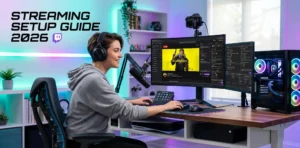
- Set up a basic setup: a camera or capture device, a microphone, and a decent internet connection (4-6 Mbps is a good baseline)
- Customize your channel with a profile picture, banner, and description
- Start streaming by hitting “Start Stream” in your software and promoting your first broadcast
- Build consistency by streaming regularly so people know when you’re live
You don’t need expensive equipment to start. A laptop with a built-in camera and decent microphone is enough for your first streams. As your community grows, you can invest in better gear.
For more detailed setup guidance, check out : How to Stream on Twitch: Complete Setup Guide for PC & Console (2026).
Monetization: How Streamers Make Money
Many viewers assume streamers are rich or sponsored, but the reality is more varied. Here are the main ways streamers earn:
Subscriptions
Streamers earn about 50% of subscription revenue. A streamer with 100 subscribers paying $4.99/month earns roughly $250/month before taxes.
Bits and Donations
These are more direct. A viewer gives money, the streamer gets a significant cut (Twitch takes a smaller percentage than with subscriptions).
Advertising Revenue
When viewers watch ads on a stream, Twitch and the streamer split the revenue. More views = more potential ad revenue.
Sponsorships
Brands pay streamers to promote their products. These deals range from small ($100-500 per stream) to massive (top streamers negotiate six-figure sponsorships).
Affiliate and Referral Programs
Some streamers earn money by referring viewers to products or services.
It’s important to note: most streamers don’t make significant money. Twitch requires “Affiliate” status (50 followers, 500 total channel followers in 30 days, 50 viewers on average, and 500 broadcast minutes) before they can earn from subscriptions and ads. Only the top 1% of streamers earn a livable income. However, for many, Twitch is a community and passion project, not a primary income source.
Twitch Affiliate vs Partner: How to Grow and Get Paid as a Streamer
FAQ: Common Twitch Questions
Yes, completely. Watching streams is always free. You only pay if you choose to subscribe, cheer Bits, or donate.
Use the categories and tags, follow streamers, or browse the directory. Many people find Twitch streams through recommendations from friends or clips shared on social media.
Twitch has content warnings and categories, but it’s self-moderated by streamers. Some streams are definitely not kid-friendly. Parents should monitor their children’s Twitch use.
Subscriptions, Bits, donations, ads, sponsorships, and affiliate deals are the main revenue sources.
No, anyone can start streaming immediately, even with zero followers. However, growing an audience takes time and consistency.
Yes, Twitch has an app that lets you stream directly from your phone, though it’s more limited than streaming from a PC or console.
Twitch is more than a streaming platform; it’s a community where millions connect in real time. Whether you’re watching for fun, thinking about streaming, or curious about internet culture, Twitch offers a unique experience of live, unedited human connection. The platform has democratized content creation and entertainment, proving that audiences are hungry for authenticity and interaction—not polish and perfection.
If you’re thinking about streaming or want to explore what’s happening on Twitch, now’s the perfect time to jump in.

Leo Falsafi is a digital marketing veteran and senior journalist at Virlan.co, where he covers the intersection of digital marketing, gaming, and breaking US trending news. With nearly two decades of hands-on experience in SEO and digital strategy, Leo has consulted for and scaled hundreds of companies. His deep industry roots allow him to deliver sharp, fact-checked insights and analysis on the trends shaping today’s digital landscape.


[…] What Is Twitch? The Beginner’s Guide to the World’s Biggest Streaming Platform (2026) […]
[…] reading: [What Is Twitch], [How to Stream on […]
[…] What Is Twitch? The Beginner’s Guide to the World’s Biggest Streaming Platform (2026) […]
[…] What Is Twitch? The Beginner’s Guide to the World’s Biggest Streaming Platform (2026) […]