
The Professional Mobile Gamer’s Blueprint: Pathways to Monetization and Sustainable Career Growth
This report provides a comprehensive analysis of the pathways to earning money from playing mobile games professionally.
It highlights that while the mobile gaming industry offers significant opportunities, a successful career demands exceptional skill, a highly strategic approach to self-promotion, and the crucial diversification of income streams.
Pro Mobile Gamer: Earn & Grow
The analysis delves into the evolving landscape of mobile esports, detailing the core pathways to professional play, the various avenues for income generation, and the adjacent career opportunities within the industry. Furthermore, it addresses the inherent realities and challenges, including intense competition and the critical importance of mental and physical well-being.
The findings underscore that a sustainable professional mobile gaming career is not merely about competitive wins but about cultivating a multi-faceted professional identity and entrepreneurial mindset within a dynamic ecosystem.
The Evolving Landscape of Mobile Esports
The mobile esports sector is experiencing rapid expansion, with numerous titles establishing robust competitive circuits and substantial prize pools. This growth transforms professional mobile gaming into an increasingly attractive, albeit highly competitive, domain.
Also read: Best Esports Games
Overview of Dominant Mobile Esports Titles and Their Ecosystems
Several key games currently dominate the mobile esports landscape, demonstrating significant financial commitment from their publishers and developers.
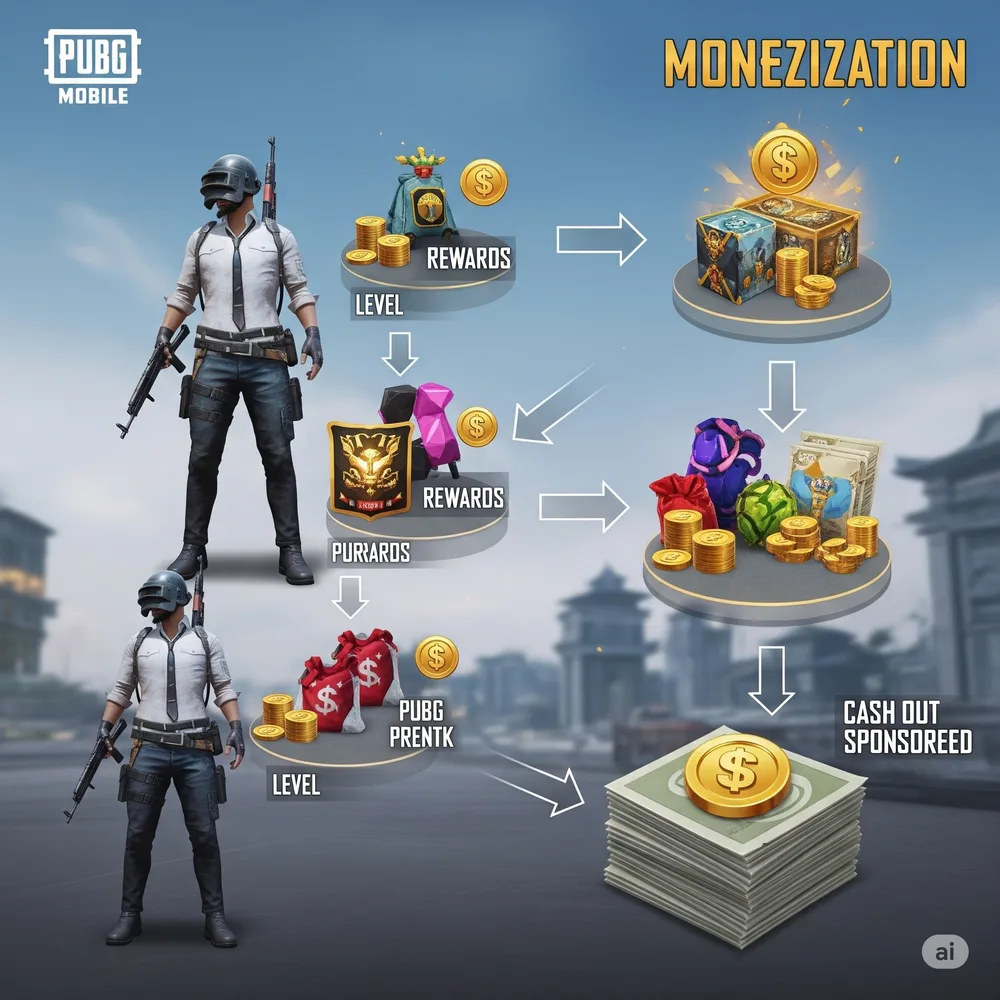
- PUBG Mobile exhibits substantial financial investment, with cumulative prize pools exceeding $16 million in 2024. Its 2025 esports calendar includes plans for multiple in-person tournaments, signaling sustained investment and growth. This consistent financial backing and clear long-term planning from the publisher directly correlate with more stable and potentially lucrative career opportunities for professional players within the PUBG Mobile ecosystem. A large prize pool offers higher potential earnings for top players and teams, while a defined multi-year roadmap suggests consistent competitive opportunities, thereby reducing career uncertainty and offering a more predictable path for professional growth. For aspiring professional gamers, this indicates a strategic imperative: prioritize games that demonstrate robust, long-term publisher investment in their esports scene. This significantly increases the likelihood of establishing and sustaining a professional career compared to titles with less structured or funded competitive environments. The health of a game’s esports scene is a direct reflection of the publisher’s strategic vision and financial commitment, which is paramount for a player’s long-term career stability.
- Honor of Kings made a significant debut in 2024 with a cumulative prize pool of $20 million, accompanied by clear roadmaps for continued growth into 2025.
- Free Fire featured a $1 million prize pool at the Esports World Cup 2024 and has a promising 2025 esports roadmap, indicating continued expansion of its competitive scene.
- Mobile Legends: Bang Bang stands out remarkably in terms of viewership, having accumulated a staggering 475.96 million hours of watch time for its esports events. This figure is over triple that of the second-place title, PUBG Mobile. This high viewership, even when compared to games with larger direct prize pools, is a critical factor for attracting sponsorships, advertising revenue, and fostering a thriving environment for content creation (streaming, YouTube). Brands are inherently drawn to large, engaged audiences. Therefore, a game with massive viewership can offer substantial indirect monetization pathways for players through personal branding, streaming, and securing sponsorships, providing a more consistent and diversified income stream. This suggests a dual strategic consideration for aspiring professionals: evaluating both direct prize money potential and the game’s audience potential. A game with high viewership signals a healthy ecosystem for content creators and influencers, offering alternative or supplementary income streams that can be more consistent and less volatile than relying solely on tournament winnings.
- Other Notable Titles include Call of Duty Mobile and League of Legends: Wild Rift, though Wild Rift has not yet achieved the same level of esports success as its PC counterpart. VALORANT Mobile, an upcoming port from Riot Games, is highly anticipated to significantly impact the global mobile esports scene, given the PC version’s established top-tier status.
Competitive structures, such as Organized Play initiatives, provide structured, community-driven tournaments and events. Publishers like Riot Games actively support these by providing resources and encouragement, with intentions to continue them throughout 2025 and beyond. This foundational layer is crucial for aspiring professionals to gain initial competitive experience.
Also read: Best Turn Based Strategy Games Across Platforms
Understanding Competitive Structures: From Grassroots to Global Championships
The typical progression for a professional mobile gamer involves starting at smaller, community-based tournaments and gradually advancing to larger, official circuits. Platforms such as ESL, GameBattles, and Battlefy host online tournaments that serve as excellent proving grounds for up-and-coming players. As players improve, they can aim for participation in major esports circuits, including the Call of Duty Mobile World Championship, PUBG Mobile Global Championship, or Wild Rift Icons Global Championship. Consistent high performance in these high-profile events is critical for gaining recognition from professional teams and securing sponsorships.
Below is a table summarizing leading mobile esports titles and their competitive footprint:
Table 1: Leading Mobile Esports Titles and Their Competitive Footprint
| Game Title | Primary Genre | Cumulative Prize Pool (2024/2025) | Peak Viewership (Hours Watched) | Key Publisher/Developer |
|---|---|---|---|---|
| PUBG Mobile | Battle Royale | Over $16 million (2024) | 158.5 million (2nd place) | Krafton |
| Honor of Kings | MOBA | $20 million (2024 debut) | Not specified, but growing | Tencent |
| Free Fire | Battle Royale | $1 million (Esports World Cup 2024) | Not specified, but growing | Garena |
| Mobile Legends: Bang Bang | MOBA | Not specified, but significant | 475.96 million (leading) | Moonton |
| Call of Duty Mobile | FPS | Significant | Not specified | Activision |
| League of Legends: Wild Rift | MOBA | Not specified | Not specified | Riot Games |
| VALORANT Mobile (Upcoming) | FPS | Anticipated to be significant | Anticipated to be significant | Riot Games |
This table provides a clear, at-a-glance comparison of prominent mobile esports titles, making complex market data easily digestible. It directly assists aspiring players in identifying games with established competitive scenes and significant financial backing, aligning with the understanding that publisher investment is a strong predictor of career viability. The table also illustrates the diversity of genres within mobile esports and highlights which games currently dominate in terms of financial investment and audience engagement, offering a holistic view of the market.
3. Core Pathways to Professional Mobile Gaming
Becoming a professional mobile gamer involves a rigorous, multi-faceted approach that extends far beyond casual play. It demands structured training, strategic self-promotion, and effective team dynamics.
Mastering Your Game: Skill Development and Strategic Training
Professional mobile gaming necessitates dedication that transcends recreational engagement; it requires a structured, purposeful, and intense training regimen.
Key elements for achieving mastery include:
- In-Depth Game Knowledge: This involves learning the game’s mechanics, maps, character abilities, and the current “meta” (most effective tactics available) inside and out. Crucially, staying updated on all gameplay changes, patch updates, and weapon balancing is essential for maintaining a competitive edge and adapting strategies.
- Structured Practice Schedule: Professional players must commit to a disciplined practice routine, aiming for at least a few hours of focused gameplay each day. This practice should target specific, measurable skills such as aiming, movement, reflexes, and decision-making, rather than merely grinding matches.
- Replay Analysis and Study: A critical component of professional training is reviewing one’s own game replays to identify and analyze mistakes. Equally important is studying top players and professional matches to learn advanced techniques, strategies, and adapt to evolving gameplay. This systematic approach to training goes far beyond simply playing games; it involves adopting an athletic or academic paradigm to gaming. The emphasis on reviewing replays, studying top players, and understanding the current meta suggests a strong analytical and continuous learning component, akin to performance analysis in traditional sports or research in academic fields. The explicit mention of problem-solving skills underscores the significant cognitive demands of competitive play. This systematic approach differentiates professional training from recreational gaming.
- Equipment Investment: While not directly a skill, investing in high-quality gaming gear—including a responsive mobile device, a comfortable headset, and a stable, low-latency internet connection—is essential. Subpar equipment can significantly hinder performance and prevent a player from competing at a professional level.
Success in professional mobile gaming is increasingly less about raw, innate talent and more about a cultivated “growth mindset” combined with a disciplined, analytical, and adaptive training regimen. This implies that players who can effectively self-analyze their performance, learn from their mistakes, and rapidly adapt to evolving game strategies are significantly more likely to achieve and sustain their careers. This also highlights the growing value and utility of specialized coaching platforms that offer structured training programs, AI-powered performance analysis, and expert guidance.
Also read: Best Open World Games
Climbing the Ranks and Gaining Visibility
Achieving and maintaining high ranks in a game’s competitive mode is a fundamental step for proving skill and attracting attention from potential teams, sponsors, and esports organizations. Players should focus on consistently improving their win rate, maintaining a strong kill-to-death ratio, and demonstrating reliable, high-level performance in high-stakes matches. Gaining competitive experience by actively participating in smaller online tournaments and community events is crucial for building credibility and getting noticed by the wider esports community. This process is not a simple linear progression but rather a dynamic, interconnected feedback loop. Consistent and disciplined training (leading to improved skill) directly results in higher in-game ranks. These higher ranks, combined with strong and consistent performance in smaller, community-level tournaments, significantly enhance a player’s credibility and effectively place them on the radar of scouting organizations and established teams. This increased visibility, when coupled with active networking within relevant gaming communities, directly facilitates recruitment opportunities. A demonstrable track record of consistent high performance becomes the primary “currency” for team entry. For aspiring professional gamers, this highlights the necessity of a holistic and integrated approach. It is insufficient to merely grind solo queue; one must actively seek out community engagement, participate in amateur events, and understand that documented in-game performance, combined with presence in the community, serves as a professional resume for team recruitment. The notion that “going pro in mobile esports is rarely a solo journey” is profoundly true, underscoring the social, collaborative, and strategic networking aspects inherent in achieving professional status.
Team Formation, Dynamics, and Recruitment
Becoming a professional in mobile esports is rarely a solitary endeavor, as most competitive games demand strong teamwork, effective communication, and synchronized synergy among players.
- Networking within Gaming Communities: Aspiring professionals should actively network within gaming communities. This includes joining dedicated Discord servers, Reddit threads, and Facebook groups for their chosen game. These platforms are often where amateur teams look for new talent.
- Team Building and Competition: Actively search for amateur teams seeking new talent, or, if ambitious, assemble a personal squad and begin competing in smaller tournaments. Playing with a dedicated team is vital for developing complex team-based strategies and preparing for the high level of coordination required in professional esports.
- Scouting and Tryouts: Professional and semi-professional teams often scout top-ranked ladder players or those who consistently perform well in minor tournaments. Formal tryouts, which can be conducted both online and in-person, are common for evaluating potential players’ mechanical skills, decision-making abilities, and communication effectiveness. Qualities such as strong communication and critical thinking are highly sought after during these evaluations.
Competing in Tournaments: Local, Online, and Major Circuits
Once confident in their skills, players should begin testing themselves in actual competitions. The starting point is typically online tournaments hosted on platforms like ESL, GameBattles, and Battlefy, where they can compete against other aspiring players. Community and Discord-based competitions also offer excellent avenues for gaining initial experience. The ultimate goal is to progress from regional amateur tournaments to higher-level competitions, eventually aiming for major esports circuits such as the Call of Duty Mobile World Championship, PUBG Mobile Global Championship, or Wild Rift Icons Global Championship.
The following table outlines essential skills across various professional mobile gaming roles:
Table 3: Essential Skills Across Professional Mobile Gaming Roles
| Skill Category | Specific Skills | Competitive Player | Content Creator/Streamer | Esports Coach | QA Tester | Community Manager |
|---|---|---|---|---|---|---|
| Core Gaming Skills | Game Mastery (mechanics, meta) | Essential | Highly Relevant | Essential | Relevant | Beneficial |
| Reflexes, Hand-Eye Coordination, Aiming | Essential | Highly Relevant | Beneficial | Beneficial | – | |
| Decision-making, Problem Solving | Essential | Highly Relevant | Essential | Essential | Beneficial | |
| Communication & Teamwork | In-game Communication, Shot Calling | Essential | Beneficial | Essential | Essential | Essential |
| Interpersonal Skills, Team Synergy | Essential | Relevant | Essential | Essential | Essential | |
| Written Communication (bug reports, social media) | Beneficial | Essential | Beneficial | Essential | Essential | |
| Analytical & Strategic Thinking | Replay Analysis, Performance Analysis | Essential | Highly Relevant | Essential | Essential | Relevant |
| Meta Understanding, Strategy Development | Essential | Highly Relevant | Essential | Beneficial | Beneficial | |
| Data Analysis (viewership, engagement) | Beneficial | Essential | Highly Relevant | Essential | Essential | |
| Brand Building & Marketing | Content Creation (video editing, graphics) | Beneficial | Essential | Beneficial | – | Highly Relevant |
| Social Media Engagement, Audience Interaction | Beneficial | Essential | Beneficial | – | Essential | |
| Personal Branding, Networking | Highly Relevant | Essential | Highly Relevant | Beneficial | Essential | |
| Technical Proficiency | Equipment Setup & Optimization | Essential | Essential | Beneficial | Essential | Beneficial |
| Software Testing Tools (JIRA), Bug Reporting | Beneficial | – | – | Essential | – | |
| Mental Fortitude | Stress Management, Resilience, Adaptability | Essential | Highly Relevant | Essential | Beneficial | Highly Relevant |
| Growth Mindset, Motivation | Essential | Essential | Essential | Beneficial | Highly Relevant |
This table visually demonstrates that a successful professional gaming career is not solely dependent on in-game mechanical skill but requires a diverse and transferable set of soft and hard skills applicable across multiple industry roles. It assists aspiring individuals in identifying which specific skills they need to develop or enhance based on their desired professional path, whether that is competitive play, content creation, coaching, or an industry support role, providing a clear development roadmap. The table also illustrates how skills acquired in one area, such as strong communication developed in team play, can be highly valuable and directly transferable to other professional avenues, such as community management, coaching, or even marketing, thereby increasing career flexibility and longevity.
Also read: The Power of Positive Reviews: Maximizing the Benefits for Your Business
4. Diversifying Income Streams for Professional Gamers
A sustainable professional mobile gaming career necessitates a multifaceted approach to income generation, moving beyond sole reliance on competitive winnings.
Direct Earnings: Prize Pools and Team Salaries
- Prize Pools: Top esports tournaments offer substantial prize money, with some events boasting millions of dollars in their prize pools. For instance, PUBG Mobile’s cumulative prize pools exceeded $16 million in 2024, and Honor of Kings recorded a $20 million prize pool in the same year. Top-tier players can potentially earn anywhere from $50,000 to $5 million annually from tournament winnings, while mid-tier players might expect to earn between $10,000 and $50,000, depending on their performance and the popularity of the game.
- Team Salaries: Many established esports organizations provide their players with regular monthly salaries, which offers a crucial stable income component independent of tournament results. Tier-one teams are reported to pay their players monthly salaries ranging from $3,000 to $15,000. For entry-level players, monthly earnings might be in the range of $1,000-$3,000, whereas experienced or star players can command significantly higher sums, typically $10,000-$30,000 per month, often supplemented with performance bonuses. Overall, annual salaries for professional esports players can vary widely, from $12,000 to $187,200, before factoring in additional income from sponsorships and bonuses.
Relying solely on tournament winnings is inherently volatile and unsustainable due to the highly competitive nature of esports, the unpredictable frequency of major payouts, and the high stakes of single-elimination events. Therefore, diversifying income streams—for example, by combining competitive play with consistent streaming, engaging in brand sponsorships, and offering coaching services—is not merely an advantageous option but a strategic necessity for achieving and maintaining financial stability and longevity in a professional gaming career. Streaming and sponsorships, in particular, provide more consistent and predictable income, which significantly mitigates the inherent financial risk associated with competitive prize money. This signifies a fundamental shift in the archetype of a “professional gamer.” Success is no longer solely defined by in-game wins but by the ability to cultivate and monetize an audience across multiple channels. This transforms the professional gamer into a multi-faceted digital entrepreneur. Consequently, aspiring professionals must proactively invest time and effort in developing skills beyond pure gameplay, such as content creation, personal branding, business acumen, and marketing, to ensure a sustainable and stable career.
Content Creation and Streaming: Building a Personal Brand
Building a robust personal brand through consistent streaming and engaging content creation is as critical as raw gameplay skill for attracting and retaining audiences and, subsequently, sponsors.
- Primary Platforms for Streaming: Twitch, YouTube, and TikTok are the dominant platforms for live streaming and video content. Facebook Gaming also offers a viable option for broadcasting gameplay.
- Diverse Monetization Methods for Streamers:
- Advertising Revenue: Income is generated from pre-roll, mid-roll, display, and overlay advertisements shown on platforms like YouTube and Twitch. Ad payouts on Twitch, for example, typically range from $3 to $10 per 1,000 views.
- Viewer Subscriptions: Viewers pay recurring monthly fees to access exclusive content, emotes, or other perks. Platforms such as Twitch, YouTube, Facebook, Kick, Instagram, and TikTok all offer various subscription programs. A streamer with approximately 1,000 subscribers can potentially earn $2,500-$3,500 per month from subscriptions alone.
- Donations and Tips: Direct financial support from viewers is provided through platform-specific mechanisms (e.g., Twitch Bits, YouTube Super Chat/Super Stickers, Facebook Stars, TikTok Gifts/Diamonds) or third-party services like StreamElements.
- Merchandise Sales: Custom branded merchandise (e.g., apparel, accessories) can be sold through integrated or third-party e-commerce platforms.
- Affiliate Marketing: Commissions are earned by promoting and linking to products or services, often gaming-related gear or software, through unique affiliate links.
- Strategies for Audience Growth in Content Creation:
- Niche Focus: Identifying and catering to a specific target audience or a particular aspect of a game, rather than trying to appeal to everyone.
- Content Variety: Regularly sharing diverse types of content, including raw gameplay clips, character introductions, gaming-related memes, behind-the-scenes looks at development, and user-generated content (UGC).
- Audience Engagement: Actively encouraging interaction through polls, quizzes, challenges, Q&A sessions, and consistently responding to comments and messages.
- Consistency: Adhering to a regular upload and streaming schedule to build viewer expectations and leverage platform algorithms.
- Quality Production: Investing in good equipment such as a high-quality microphone, reliable screen-recording software, a webcam, and proper lighting to ensure clear audio and engaging visuals.
- Optimization for Discovery: Creating enticing thumbnails and compelling video titles, and utilizing relevant keywords for search engine optimization (SEO) to maximize discoverability.
- Cross-Promotion and Collaboration: Sharing videos and streams across various social media platforms (Facebook, Twitter, Instagram, TikTok) and actively collaborating with other content creators to reach new audiences.
Strategic Partnerships, Sponsorships, and Brand Deals
Once a gamer successfully builds a recognizable name and a substantial following, gaming brands and other companies are likely to offer lucrative sponsorship deals. Content creation activities, such as consistent streaming, producing engaging highlight reels, and active social media engagement, are not just independent income streams but serve as a foundational prerequisite for attracting and securing substantial sponsorships. The audience a gamer cultivates through their content is the primary asset they offer to potential brands. The larger, more engaged, and more demographically aligned an audience is, the more valuable the content creator becomes to sponsors. This establishes a clear causal link: effective and consistent content creation directly leads to audience growth, which translates into increased brand value, ultimately opening the door to more lucrative sponsorship opportunities. This means that even for players whose primary focus is competitive success, neglecting their personal brand development and content creation presence represents a significant missed opportunity for substantial and stable income. The modern “professional gamer” is increasingly expected to function as an “influencer” first, leveraging their gameplay prowess to build a public platform that can then be monetized through brand partnerships.
- Platforms Facilitating Sponsorships: Platforms like Catapult.gg specialize in connecting content creators with sponsored deals, often securing funds upfront and taking zero commission from the creator. StreamElements also offers sponsorship opportunities for live streamers.
- Strategies to Attract Sponsors (especially for smaller streamers):
- Audience Growth: Focus on consistently increasing viewer count, average concurrent viewers, and overall follower count, as brands primarily use these metrics when considering sponsorship candidates.
- Strong Brand Identity: Maintain consistency in streaming frequency, brand identity (e.g., logos, color schemes, tone), and content quality. A professional and engaging channel appearance is paramount for attracting potential sponsors.
- Demonstrate Value with Data: Be prepared to provide concrete data on viewer engagement (e.g., chat activity, social media interactions) and demonstrate consistent growth trends in viewership and followers.
- Networking and Relationships: Actively attend industry events (both virtual and in-person) and collaborate with other streamers to expand visibility and credibility within the gaming community.
- Professional Sponsorship Proposal: Draft a clear, concise, and professional sponsorship proposal that outlines what can be offered (e.g., stream mentions, logo placements, dedicated content) and what is sought from a partnership. Tailor each pitch to align specifically with the sponsor’s brand and objectives.
- Transparency and Trust: Always disclose sponsorships to the audience to maintain trust and comply with legal and ethical requirements.
- Comprehensive Media Kit: Create a professional media kit that includes a concise description of the channel’s content, infographics detailing its demographics, examples of past sponsored content, and a clear outline of desired sponsorship terms and rates.
Monetizing Expertise: Coaching and Consulting Services
Many experienced professional players leverage their deep game knowledge and competitive experience by offering coaching services to newer players, typically for a fee.
- Platforms for Gaming Coaches: Specialized platforms like Bettergamer , CoachNow , and Game Lens (esports coaching software) connect coaches with aspiring players. AI-powered coaching platforms like trophi.ai also represent an emerging trend. General freelance platforms like Upwork also list game coaching services.
- Coaching Rates: The average hourly pay for a Video Game Coach in the United States is approximately $18.56, with top earners reaching around $22 per hour. Certain locations, such as Nome, AK, and Berkeley, CA, show slightly higher average hourly rates, ranging from $22-$23.
- Becoming a Coach Without Professional Play Experience: While professional competitive experience is highly valued, it is not always a strict requirement to become an esports coach. Core skills for effective coaching include in-depth game knowledge, clear and adaptable communication, strong motivational abilities, and a focus on player development and performance analysis. Networking within gaming communities and starting with casual coaching or mentorship roles can help build a reputation and gain experience.
- Building Credibility as a Mobile Game Coach: To establish credibility, coaches should consistently demonstrate professionalism by showing up early, focused, and well-prepared for sessions. Providing specific, actionable, and constructive feedback is crucial for player improvement. Utilizing technology, such as AI tools for performance analysis, can make training smarter and more effective. Furthermore, fostering a “growth mindset” in players, encouraging them to view challenges as opportunities for improvement, is a key best practice for coaches.
Below is a table outlining professional mobile gamer income avenues and estimated earnings:
Table 2: Professional Mobile Gamer Income Avenues and Estimated Earnings
| Income Source | Estimated Annual/Monthly Earnings Range (USD) | Key Factors Influencing Income |
|---|---|---|
| Tournament Winnings | Top-tier: $50,000 – $5 million annually <br> Mid-tier: $10,000 – $50,000 annually | Game Popularity, Tournament Frequency, Team Performance, Prize Pool Size |
| Team Salary | Entry-level: $1,000 – $3,000 per month <br> Experienced/Star: $10,000 – $30,000 per month <br> Overall: $12,000 – $187,200 annually (base) | Team Tier (Tier-one teams pay $3,000 – $15,000/month) , Game Popularity, Player Value |
| Streaming Ads | $3 – $10 per 1,000 views (Twitch) <br> $3,000 – $5,000 per month (1M views/month) | Viewership, Ad Fill Rate, Platform Monetization |
| Streaming Subscriptions | $2,500 – $3,500 per month (1,000 subscribers) | Subscriber Count, Platform Cut, Tiered Subscriptions |
| Donations/Tips | Highly variable, supplementary income | Audience Generosity, Engagement, Streamer Personality |
| Brand Sponsorships | Highly variable, can be significant | Audience Size & Demographics, Engagement Rate, Brand Alignment, Negotiation |
| Coaching Services | Average: $18.56 per hour <br> Top earners: $22 per hour | Experience, Reputation, Game Expertise, Platform Fees |
| Merchandise/Affiliate Marketing | Variable, supplementary income | Brand Strength, Audience Size, Product Relevance, Sales Volume |
This table provides a clear and transparent overview of the earning potential across the various professional pathways in mobile gaming, helping to demystify the financial aspects of the career. By presenting a range of income (from entry-level to top-tier) and highlighting the factors that contribute to higher earnings, the table helps manage expectations and provides a realistic financial outlook for aspiring professionals. It also allows aspiring professionals to identify which income streams might be most viable for them given their current skills and audience, and how to strategically prioritize their efforts for maximum financial return and long-term stability.
Also read: Top Ways To Earn Money With Video Games – A Comprehensive Guide
5. Adjacent Career Opportunities in the Mobile Gaming Industry
Beyond direct professional play, the mobile gaming industry offers several valuable and stable career paths that leverage a passion for gaming and transferable skills. These roles can provide consistent income and serve as a strategic gateway into the broader gaming industry ecosystem.
Quality Assurance (QA) Testing: A Gateway Role
- Role Description: QA testers are primarily responsible for identifying, documenting, and reporting bugs, glitches, and other issues in games before they are released to the public. This involves extensive gameplay, meticulous documentation of problems, and providing constructive feedback on gameplay mechanics, graphics, and overall user experience. It is crucial to understand that this role is not merely “getting paid to play games”; it is often repetitive, demanding strong critical analysis and attention to detail.
- Key Skills Required: Essential skills include strong technical writing (for clear and concise bug reports), excellent interpersonal skills (for effective team collaboration), thoroughness in testing, a strong desire to learn about game development processes, robust problem-solving abilities, keen observational skills, and familiarity with core game design concepts.
- Education and Experience: While a formal degree is not always a strict requirement for entry-level QA positions, a high school diploma is generally expected. Pursuing an associate or bachelor’s degree in software development, game design, or a related technical field can significantly improve a candidate’s chances in a competitive job market. An esports-specific degree can also provide valuable insights into gaming culture and player behavior.
- Gaining Experience (Even Without Formal Employment):
- Participate in Beta Testing/Playtesting: Many companies offer opportunities for gamers to test their products before public release. Platforms like Playtestcloud.com, Bethesda Playtesting (for US residents 18+), and Antidote actively recruit volunteers.
- Freelancing: Individuals can explore freelance game testing opportunities for smaller indie games or projects on platforms such as Upwork and Fiverr.
- Networking: Actively engaging within gaming communities (e.g., Reddit’s r/gamedev) and following indie game developers on social media (LinkedIn, Instagram, X) can lead to informal playtesting opportunities, as many developers seek feedback and may use platforms like Discord for communication.
- Internships: While specific mobile game QA internships for high school students might be less common, general computer science or software development internships can provide foundational skills.
- Salary Expectations: Entry-level QA game testers in the US can expect to earn between $30,000 and $50,000 annually. Hourly rates for entry-level positions typically range from $14-$15. Experienced QA testers can command $60,000-$80,000 annually, with specialized roles (e.g., in VR or mobile games) potentially exceeding $80,000. Freelance testers generally earn $10-$25 per hour.
- Continuous Learning: The gaming industry is constantly evolving, making continuous learning essential. Staying updated on new technologies, emerging game design trends, and advanced software testing methodologies is crucial. Online courses and certifications, such as the ISTQB Certified Tester Game Testing (CT-GaMe) or various courses on platforms like Udemy and Test Guild, can be highly beneficial for skill development and career advancement.
Given the intense competition and often volatile nature of direct professional gaming careers , QA testing offers a practical, and more stable, “gateway” into the broader gaming industry. It allows individuals to gain invaluable “inside” experience in the game development lifecycle, develop a deep understanding of game mechanics from a technical perspective, and build a professional network within game studios, even without prior formal industry experience. This position can strategically serve as a stepping stone to other roles within game development or provide a stable income while an individual continues to pursue competitive aspirations on the side. The emphasis on technical writing skills and understanding how a game is built from a technical perspective further suggests that this role inherently builds foundational industry knowledge and analytical rigor. For aspiring professional gamers who may face significant hurdles in immediately breaking into elite competitive play or large-scale content creation, QA testing presents a realistic and pragmatic alternative. It offers direct industry exposure, a consistent paycheck, and the opportunity to hone analytical and problem-solving skills that are highly transferable to competitive strategy and content analysis. It represents a sensible, lower-risk approach to establishing oneself within the gaming ecosystem.
Community Management and Social Media Coordination
- Role Description: These roles are pivotal in bridging the gap between game developers and their player base. Responsibilities include managing online communities, orchestrating engaging events, and systematically gathering player feedback to enhance the overall gaming experience. They are also responsible for crafting engaging and timely social content, managing official social media accounts, and promoting positive interactions within the community.
- Key Skills Required: Success in these roles demands expertise in community engagement, strategic social media planning, content moderation, strong written and oral communication, creativity, empathy, problem-solving, analytical skills, and a deep understanding of gaming culture and trends. Proficiency with social media management tools (e.g., Hootsuite, Sprout Social) and analytics platforms is highly valued.
- Entry-Level and Volunteer Experience: Individuals can gain relevant experience by actively managing large Twitch channels, Discord servers, or Facebook groups as a hobby. Volunteering with reputable organizations like the International Game Developers Association (IGDA) in roles such as Discord Technical Support or Community Moderation Support can provide invaluable hands-on experience and networking opportunities within the industry. Free online courses in social media marketing (e.g., Google’s Digital Workshop) can also build foundational skills.
- Salary Expectations: The average annual pay for a Gaming Community Manager in the United States is approximately $61,351, translating to about $29.50 per hour. Top earners in this field can reach annual salaries of $85,000-$102,500. Some companies, such as Gamer Advantage Ltd., show average salaries for Community Managers around $100,231.
These roles are increasingly recognized as critical for a game’s long-term success and monetization strategy. By effectively fostering loyal player bases, maintaining positive brand sentiment, and facilitating robust communication between players and development teams, Community Managers directly contribute to user retention, word-of-mouth marketing, and the overall health and longevity of a game’s ecosystem. Their active involvement in content creation and social media promotion directly supports broader marketing and user acquisition efforts. This indicates a significant maturation and professionalization within the gaming industry, where community engagement is now understood as a core business function, rather than merely a supportive or ancillary role. For individuals with strong communication, social media, and interpersonal skills, these roles offer stable, well-paying career opportunities that are directly tied to the commercial success and sustained growth of mobile games, representing a significant professional pathway beyond direct gameplay.
6. Navigating the Realities and Challenges of a Professional Gaming Career
While the allure of professional mobile gaming is strong, it is essential to understand and prepare for the inherent challenges and realities of this demanding career path.
The Highly Competitive Environment and Success Rates
Professional mobile gaming is an exceptionally competitive field, requiring immense dedication to stand out.
- Low Success Rate of Games: A stark reality is that “97% of mobile games fail” to achieve significant traction, with most not even covering their development costs. This high failure rate for the games themselves directly impacts the stability and longevity of professional careers tied to specific titles, as the game’s ecosystem might not sustain a long-term competitive scene.
- Elite Few: Only a minuscule fraction, often 0.1% or less, of the vast player base in any given game manages to reach the elite professional level where substantial income is generated. In some popular games, out of thousands or millions of players, fewer than 50 might be considered elite and paid professionals.
- Immense Dedication Required: Becoming a top-tier player demands a “huge amount of hours played” and consistent, rigorous training, often compared to the dedication required of traditional professional athletes.
- Age and Longevity: There is a prevailing belief that players are in their peak competitive condition for a relatively short number of years, typically not extending much beyond the age of 30. This often leads to early retirement from competitive play, partly due to the intense demands and burnout.
The widespread accessibility and low barrier to entry for playing mobile games create a deceptive illusion of ease for professional careers. In reality, this very accessibility leads to hyper-competition at the professional level, making it exponentially more challenging to stand out, gain recognition, and secure a sustainable income. Compounding this, the high failure rate of mobile games themselves means that even if a player achieves professional status in a specific title, the game’s competitive scene might not sustain a long-term career, necessitating constant adaptation, game switching, or career shifts. Aspiring professionals must understand that the “professional” aspect of mobile gaming acts as a severe filter, allowing only a tiny elite to succeed financially. This demands not just exceptional skill but also an almost entrepreneurial level of resilience, strategic foresight, and adaptability to navigate a market where both individual success and the longevity of the game itself are highly uncertain. This profoundly underscores the critical importance of developing transferable skills and actively pursuing diversified income streams for long-term career survival, rather than solely focusing on competitive wins.
Addressing Physical and Mental Well-being: Burnout and Longevity
- Significant Physical Strain: Prolonged and intense gameplay in mobile esports can lead to various physical ailments, including joint and musculoskeletal pain, repetitive motion injuries (e.g., “gamer’s thumb”), and severe eyestrain. Mobile-specific factors, such as smaller screen sizes, unique viewing angles, and repetitive finger, hand, and arm motions, contribute to different postural adaptations, muscle fatigue, and injury patterns after prolonged high-intensity training. Over 90% of mobile esports athletes in one study reported eye strain and fatigue, with over 30% experiencing headaches.
- Profound Mental Strain: The relentless competitive schedule, constant public scrutiny, extensive travel, and immense pressure to perform at peak levels contribute significantly to severe burnout, anxiety, performance pressure, social isolation, and depression among esports professionals. Professional players often adhere to rigorous practice schedules of 8 or more hours daily, frequently neglecting adequate sleep and social interactions. Consequently, irregular sleep patterns and difficulty falling asleep are commonly reported issues.
- Mitigation Strategies: The esports industry is increasingly recognizing these challenges. Esports psychology is an emerging field dedicated to supporting gamers’ mental health. Teams and coaches are implementing strategies such as ergonomic game setups with posture-supporting chairs and monitors designed to minimize eye strain, as well as developing physical training regimens and techniques for handling stress in high-stakes environments.
The intense training schedules (often 8+ hours daily) and the high-pressure, public-facing competitive environment impose significant physical and psychological tolls that directly impact a player’s career longevity. The observed trend of “early retirement” among young prodigies is a direct, systemic consequence of these cumulative pressures. This implies that managing one’s physical and mental health and well-being is not merely a personal preference but a critical, strategic component of professional sustainability, demanding a proactive and disciplined approach to physical fitness, mental resilience, and self-care. The growing recognition of these issues within the industry (e.g., the emergence of esports psychology, emphasis on ergonomic setups, and integration of physical training) suggests a nascent but crucial professionalization of player care. For aspiring professionals, this means that integrating comprehensive health and wellness practices into their training regimen from day one is as fundamentally important as honing their in-game skills. Neglecting these aspects can prematurely end a promising career, regardless of talent. This also highlights potential ancillary career opportunities for health and wellness professionals within the esports ecosystem.
Financial Volatility and Building Stability
Relying solely on tournament winnings as a primary income source is inherently volatile and does not provide a reliable or steady income stream due to the infrequent nature of major events and the winner-take-all structure. A professional gamer’s income can vary dramatically based on the popularity of their chosen game, their consistent performance, and, crucially, their ability to diversify revenue streams beyond competitive play. The initial investment in expensive, top-tier gaming equipment can also be a significant financial barrier for aspiring professionals.
7. Strategic Recommendations for Aspiring Professionals
For individuals aspiring to earn money from playing mobile games professionally, a strategic and holistic approach is recommended to navigate the competitive landscape and build a sustainable career.
- Choose Your Game Wisely: Select a mobile game that not only aligns with personal interests and skills but also possesses a robust, well-funded, and actively growing esports scene. Key indicators include significant prize pools, clear publisher roadmaps for future competitive seasons, and consistent viewership. Prioritize games with high viewership, as this often translates to broader indirect monetization opportunities through content creation and sponsorships.
- Embrace a Professional Training Regimen: Adopt a highly structured and disciplined practice schedule that goes beyond casual play. Focus on targeted skill improvement, meticulous replay analysis of personal games, and continuous study of top players and evolving game metas. Invest strategically in quality gaming equipment, including a responsive mobile device, a high-fidelity headset, and a stable, low-latency internet connection, to ensure gear does not hinder competitive performance.
- Actively Build a Competitive Profile: Consistently strive to climb ranked ladders within the chosen game, as high rankings are crucial for gaining visibility. Actively participate in smaller online and community tournaments to accumulate competitive experience and build a credible track record. Network extensively within relevant gaming communities (e.g., Discord servers, Reddit forums) to connect with like-minded players, find opportunities to join existing amateur teams, or even form a dedicated squad.
- Cultivate a Strong Personal Brand: Regularly stream gameplay on popular platforms such as Twitch, YouTube, or TikTok. Complement this with engaging video content like highlight reels, tutorials, and game-related memes. Actively engage with the audience through chat, comments, polls, and Q&A sessions. Leverage social media platforms for cross-promotion of content to expand reach. Develop a professional media kit that concisely presents the channel’s statistics, demographics, and value proposition to attract potential sponsors.
- Diversify Income Streams: Critically, do not rely solely on unpredictable tournament winnings for income. Proactively pursue multiple monetization avenues, including streaming revenue (from ads, subscriptions, and donations), securing brand sponsorships, and potentially offering coaching services to aspiring players. Explore adjacent career paths within the gaming industry, such as Quality Assurance (QA) testing or Community Management, which can provide a stable income and valuable industry experience while building a professional gaming career.
- Prioritize Health and Well-being: Implement a proactive health regimen that includes regular physical exercise and ensures ergonomic setups for the gaming environment. This is crucial for mitigating common issues like repetitive strain injuries and eye strain that affect mobile esports players. Address mental health proactively by developing strategies for stress management, preventing burnout, and seeking professional support if needed. Maintaining a balanced lifestyle is vital for long-term career sustainability.
- Maintain Persistence and Adaptability: Recognize that the path to professional mobile gaming is highly challenging and competitive. Success demands continuous learning, the ability to adapt quickly to game changes and industry trends, and unwavering resilience in the face of setbacks.
8. Conclusion
This report has outlined that earning money from playing mobile games professionally is a multifaceted endeavor, encompassing direct competitive play, strategic content creation, expert coaching, and valuable adjacent industry roles. Success in this demanding field is a blend of exceptional skill, rigorous training, strategic self-promotion, and the crucial diversification of income streams. The landscape of mobile esports is dynamic, with significant publisher investment and viewership driving its growth, yet it remains intensely competitive. Aspiring professionals must navigate not only the challenges of high-level gameplay but also the critical aspects of personal branding, audience engagement, and proactive health management. The journey to becoming a professional mobile gamer is a marathon, not a sprint. It requires not only a deep passion for gaming but also a disciplined, entrepreneurial mindset, a proactive approach to personal well-being, and a commitment to continuous adaptation within a rapidly evolving industry. Those who embrace this holistic professional approach are best positioned for sustainable career growth and financial success in the dynamic world of mobile esports.
 E-Sports Integrity: Navigating Ethics and Fair Play in Virtual Arenas
 A Guide to eSports Betting
 Esports Evolved: Where AI Pushes the Boundaries of Gameplay
 Esports Betting Tips and Strategies
 AI Powers Up Esports Monetization in 2024: From Fan Engagement to Pro Player Training
 The Most Successful and Valuable eSports Teams of Recent Years
 Monetization of Your Esports Career: Tips for Streamers and Content Creators
 How US Education Includes eSports in PE
 7 Tips for Getting Started with Esports Betting
 The Rise of eSports Betting in 2024: Why?
 Why Esports Betting Could Be the Next Big Thing in California’s Gaming Industry
 Why Maryland Bettors Are Turning to Esports: A New Frontier in Online Wagering