
The Dawn of Web3 Gaming
Web3 gaming signifies a transformative shift in the digital entertainment landscape, moving beyond traditional models to create decentralized, player-centric experiences.
This new paradigm empowers players with true ownership of in-game assets, fosters robust community engagement, and introduces innovative economic models.
Unlike conventional games where publishers retain ultimate control, Web3 games leverage blockchain technology to grant players verifiable ownership of characters, skins, and items, often represented as non-fungible tokens (NFTs).
This fundamental change allows players to freely buy, sell, or trade their digital assets across various marketplaces, thereby enhancing their gaming experience and introducing potential real-world value.
The market for Web3 gaming is experiencing substantial growth, positioning it as a significant economic frontier. In 2024, the global Web3 gaming market was valued at approximately USD 25.63 billion and is projected to reach USD 124.74 billion by 2032, demonstrating a compound annual growth rate (CAGR) of 19.34% during the 2025-2032 period. Another projection indicates a value of USD 4.6 billion in 2023, with an estimated growth to USD 28.86 billion by 2030 at a staggering 30% CAGR.
This expansion is primarily driven by the increasing demand for true digital ownership, the allure of play-to-earn (P2E) models, and continuous advancements in blockchain technology and NFT integration.
Despite this promising outlook, the Web3 gaming sector faces several challenges that require careful navigation. A notable obstacle is the perceived lack of compelling gameplay and high-quality content in many Web3 titles, which often resemble early-stage technological experiments rather than polished entertainment products capable of competing with their Web2 counterparts.
This issue is compounded by an audience-product mismatch, where some Web3 games, despite their quality, struggle to attract a large player base due to the complexities of blockchain technology, leading to friction in user onboarding, monetization, and distribution. Furthermore, the motivation of some builders, who entered the space primarily for short-term financial gains through token launches rather than long-term product development, has contributed to a perception that the industry is driven more by speculation than by a desire for genuine gaming innovation.
Regulatory uncertainty surrounding digital assets also poses a significant challenge, creating legal risks that can hinder adoption and growth.
This report aims to explore the landscape of emerging Web3 game platforms, identifying the top five contenders that are poised to shape the future of digital play. By examining their core technologies, strategic roadmaps, developer support, and user engagement, a comprehensive understanding of the opportunities and challenges within this evolving “gold rush” will be provided.
Also read: A New Chapter: Analyzing S1mple’s Transfer to BC.Game Esports
Web3 Gaming Paradigm
Web3 gaming is fundamentally reshaping how players interact with digital worlds, moving from a consumption-based model to one of true participation and ownership. This paradigm shift is underpinned by several core concepts and technological advancements.
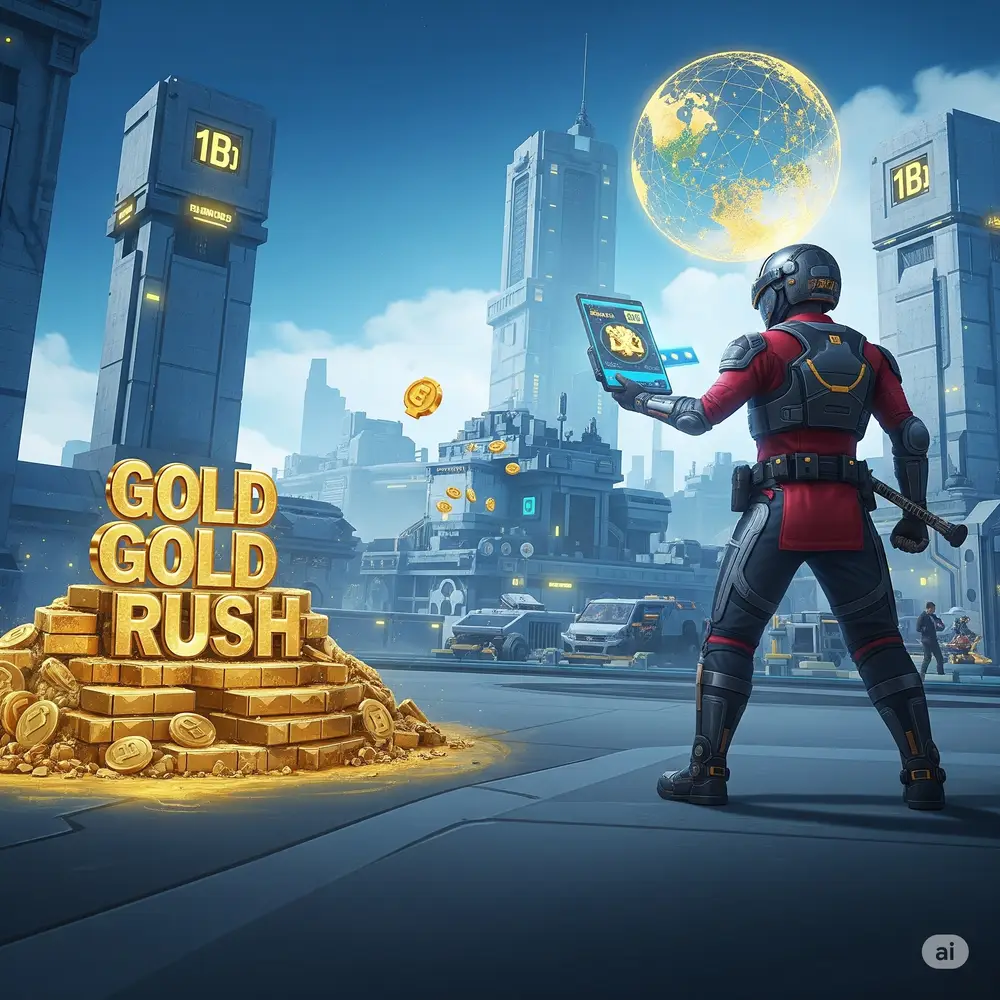
Core Concepts
- True Ownership of Assets: At the heart of Web3 gaming is the concept of true ownership. Players possess their in-game assets—such as characters, skins, weapons, and virtual land—as non-fungible tokens (NFTs). This differs significantly from traditional gaming, where players merely license digital items. With NFTs, players gain verifiable ownership, enabling them to freely buy, sell, or trade these assets on various marketplaces, both within and outside the game ecosystem. This introduces real-world value and investment potential to digital collectibles.
- Decentralization and Community Governance: Unlike traditional games controlled by a single entity, Web3 games operate on decentralized networks, reducing the risk of censorship and single points of failure. This distributed control often extends to community governance models, where players can influence game development, policies, and future direction through decentralized autonomous organizations (DAOs). This fosters a deeper sense of ownership and engagement among the player base.
- Play-to-Earn (P2E) Models: A defining feature of many Web3 games is the integration of play-to-earn mechanics. This allows players to earn cryptocurrency or NFTs through active gameplay, achievements, or contributions to the game’s ecosystem. This innovative approach creates new economic opportunities, particularly in regions with limited traditional economic avenues, transforming gaming from a mere pastime into a potential revenue-generating activity.
- Interoperability: The vision of Web3 gaming includes interoperability, where digital assets can be utilized across different games and platforms. This enhances the value of player-owned assets, as they are not confined to a single game, and promotes a more connected and expansive gaming ecosystem.
- Transparency and Security: Blockchain technology inherently provides transparency and security. All transactions and game mechanics are recorded on an immutable, verifiable public ledger, building trust among players by ensuring fairness and reducing fraud and hacking risks. This cryptographic security enhances the integrity of in-game assets and transactions.
Technological Underpinnings
The realization of these concepts relies heavily on robust blockchain infrastructure.
- Blockchain Integration: Web3 games do not typically store the entire game environment on a blockchain; instead, they use traditional gaming and Web2 technology for the core gameplay. Blockchain technology, particularly distributed ledgers, is integrated to manage player-owned items, achievements, and cryptocurrency rewards. Smart contracts play a pivotal role, automating in-game transactions, managing asset transfers to players’ wallets, and tallying votes for community governance decisions. Decentralized applications (dApps) are frequently employed to support in-game transactions and blockchain interactions, relying on interconnected nodes rather than centralized servers.
- NFTs and Token Standards: The representation of in-game assets as NFTs is fundamental. Common token standards like ERC-721 (for unique assets) and ERC-1155 (for semi-fungible assets) ensure compatibility and facilitate the creation and management of diverse digital items.
- Crypto Wallets and Decentralized Identity: Players need seamless ways to connect their crypto wallets to games for managing their digital assets and transacting with cryptocurrency. Decentralized identities can also be used for login, enhancing privacy and security by reducing reliance on traditional account systems.
- Scalability Solutions: The high transaction volume and low latency required for gaming necessitate advanced scalability solutions. These include Layer 1 blockchains designed for high performance (e.g., Solana, Flow), Layer 2 scaling solutions built on top of existing blockchains like Ethereum (e.g., Immutable X, Polygon, Arbitrum), and specialized sidechains (e.g., Ronin). These solutions aim to overcome the limitations of base layer blockchains, such as high gas fees and slow transaction speeds, which can hinder a smooth gaming experience.
Also read: Mobile Gaming Monetization Guide
The “Play-and-Earn” Evolution
The Web3 gaming market is undergoing a crucial evolution from a pure “Play-to-Earn” (P2E) model to a more sustainable “Play-and-Earn” (P&E) approach. Initially, many P2E games prioritized financial incentives, often at the expense of engaging gameplay. This led to a perception that many Web3 titles resembled early-stage technological experiments rather than polished entertainment products, struggling to compete with established Web2 games. This focus on earning over playing resulted in a lack of compelling content and an audience-product mismatch, contributing to user churn and market stagnation.
However, the industry is recalibrating, shifting its focus towards creating genuinely fun and immersive experiences first, with economic incentives as an added benefit rather than the sole driver. This strategic pivot is vital for attracting mainstream gamers who prioritize entertainment. The market is moving away from speculative hype and towards sustainable game design that emphasizes gameplay quality, true digital ownership, and long-term player retention. This indicates that the initial “gold rush” driven by quick financial returns is giving way to a more mature development phase, where builders are committed to creating lasting value and engaging experiences for players.
Top 5 Emerging Web3 Game Platforms
The Web3 gaming landscape is dynamic, with several platforms vying for leadership by offering unique technological advantages and ecosystem support. The following five platforms represent key players driving innovation and adoption in this burgeoning sector.
1. Immutable X
Overview: Immutable X is a cutting-edge Layer 2 scaling solution built specifically for non-fungible tokens (NFTs) on the Ethereum blockchain. Its primary objective is to address Ethereum’s scalability issues and high transaction fees, particularly for NFT minting and trading, making it an attractive choice for Web3 game developers.
Key Features & Infrastructure: Immutable X leverages zero-knowledge rollups (specifically StarkWare’s technology) to bundle thousands of off-chain transactions into a single Ethereum transaction. This technology enables instant trade confirmations and, crucially, gas-free transactions for minting and trading NFTs. The platform is also committed to being carbon neutral, aligning with growing environmental concerns in the blockchain space. This infrastructure ensures that game developers can create and manage in-game assets without incurring prohibitive costs or slowdowns, which are common pain points on Ethereum’s mainnet.
Developer Tools & Support: Immutable X offers a comprehensive suite of developer tools, including SDKs for popular game engines like Unity and Unreal, as well as a robust Typescript SDK for web-based development. These SDKs abstract complex blockchain logic, simplifying the integration of features such as checkout, minting, and blockchain interaction. A standout feature is Immutable Passport, a blockchain-based identity and wallet system designed to revolutionize user onboarding by offering seamless, frictionless experiences. Passport includes features like pre-approved transactions, which eliminate disruptive blockchain prompts during gameplay, and embedded wallets, significantly reducing the barrier to entry for new users unfamiliar with crypto. The emphasis on “Passport” and “pre-approved transactions” directly addresses significant user friction points in Web3 gaming, such as complex wallet interactions and high gas fees. This focus on user experience is critical for attracting and retaining mainstream gamers who are accustomed to seamless Web2 experiences.
User Adoption & Engagement: Immutable’s ecosystem has demonstrated significant growth. As of December 2024, Immutable Passport signups surpassed four million, reflecting its pivotal role in onboarding millions of gamers into the Web3 ecosystem. The platform had over 440 integrated titles by October 2024. Immutable zkEVM, launched in early access in January 2024, achieved 2.5 million monthly active users within three months, outpacing many major blockchains in growth. Research firms like Messari and VanEck confirmed Immutable’s approximate 70% market share in the Web3 gaming space in 2024.
However, DappRadar reports for Q1 and Q2 2025 indicate a general decline in daily Unique Active Wallets (dUAW) across blockchain gaming, with Gods Unchained, a prominent title, beginning its migration from Immutable X to Immutable zkEVM in April 2025. This suggests a dynamic environment where platforms are continuously adapting and games are optimizing their chain choices.
Funding, Investors & Strategic Roadmap: Immutable has secured substantial funding, totaling $857 million across six funding rounds. Its largest round was a $500 million Series D in June 2022. Key investors include prominent names such as Temasek, Tencent, Galaxy, Animoca Brands, Coinbase Ventures, GameStop, Fabric Ventures, and BITKRAFT Ventures. In April 2024, Immutable introduced The Main Quest, a significant rewards program, and is set to launch a Perpetual Rewards Program in 2025. The company’s roadmap for 2025-2026 focuses on building on this momentum, accelerating mainstream adoption through regulatory clarity and surging institutional demand, and simplifying development and enhancing player experiences.
Strengths & Opportunities: Immutable X’s primary strengths lie in its robust Layer 2 scaling solution, which inherits Ethereum’s security while offering gas-free and instant transactions. Its focus on user-friendly onboarding through Immutable Passport positions it strongly for mainstream adoption. The platform has attracted significant investor backing and boasts a large pipeline of games, indicating a strong commitment to the gaming sector.
Challenges & Risks: A key challenge for Immutable X is ensuring that its extensive list of signed games successfully launch and convert pre-launch interest into high active and retained player bases. The broader market volatility inherent in the cryptocurrency space also poses a risk to its token value and ecosystem growth.
2. Ronin Network
Overview: Ronin is an EVM-based blockchain purpose-built for gaming, developed by Sky Mavis, the creators of the highly successful Axie Infinity. It was designed to overcome the scalability and high-fee challenges prevalent on Ethereum, offering a dedicated environment for blockchain-based games.
Key Features & Infrastructure: Ronin’s infrastructure is optimized for performance, scalability, and a seamless user experience in gaming transactions. It provides near-instant transactions and minimal fees, crucial for the high demand of Web3 gaming experiences. As an EVM-compatible chain, it allows developers familiar with Ethereum to easily migrate applications and utilize existing tools like Remix, Hardhat, and Foundry. Initially operating on a Proof of Authority (PoA) consensus, Ronin transitioned to Delegated Proof of Stake (DPoS) in 2023 to enhance decentralization, allowing RON token holders to participate in validator selection and governance.
Developer Tools & Support: Ronin offers a suite of developer-friendly tools, including the Ronin Wallet for seamless asset management, Katana DEX for low-cost token swaps, and Ronin Bridge for efficient asset transfers between Ethereum and Ronin. It provides in-game marketplace and token swap SDKs, fiat-to-crypto onramps, and smart contract templates to streamline game development. A grants program is also in place to fuel innovation across gaming, DeFi, and consumer dApps.
User Adoption & Engagement: Ronin has demonstrated its ability to scale, having powered the vibrant Axie Infinity ecosystem to millions of daily active users and processed over $4 billion in NFT volumes. At its peak, Ronin processed 15% of the global NFT trading volume. While Axie Infinity has been its flagship, Ronin is actively diversifying its gaming ecosystem. In April 2025, Axie Infinity accounted for only 33% of Ronin’s activity, indicating a successful shift beyond its “Axie Chain” identity. New titles like Lumiterra, an MMORPG, launched on Ronin and achieved an impressive 80% player retention rate after seven days of gameplay. The evolution of Ronin from a single-game chain to a multi-title ecosystem, coupled with its transition to DPoS, demonstrates a strategic move towards broader decentralization and resilience. This addresses the risk of being overly reliant on one successful title and aims to foster a more diverse and robust gaming environment.
Funding, Investors & Strategic Roadmap: Sky Mavis, the parent company behind Ronin, has raised a total of $311 million across five funding rounds. Its largest funding round was a $152 million Series B in October 2021, led by a16z. In April 2022, Binance led a $150 million funding round to help compensate victims of a significant hack on the Ronin Bridge and to enhance network security. Other notable investors include Animoca Brands, Dialectic, Paradigm, and Accel. Ronin’s strategic vision includes expanding beyond gaming into broader NFT applications, increasing its validator set for greater decentralization, enhancing interoperability with other blockchains, and continuously introducing new developer tools and grants.
Strengths & Opportunities: Ronin’s key strengths lie in its proven scalability for gaming, low transaction fees, and a strong, dedicated focus on the gaming sector. Its EVM compatibility lowers the barrier for Ethereum developers, and its active efforts to diversify its game portfolio beyond Axie Infinity indicate a healthy growth strategy.
Challenges & Risks: The network faced a significant security challenge in March 2022 with a $600+ million hack, which, while addressed with enhanced security measures and increased validator requirements, remains a historical concern. The ongoing challenge is to continue attracting and retaining a diverse range of high-quality games to solidify its position as a multi-title gaming hub.
3. Polygon
Overview: Polygon is a leading Layer 2 scaling solution for Ethereum, designed to bring mass adoption to the platform by addressing its limitations such as low speed and high gas fees. It functions as an “Internet of Blockchains” for Ethereum, providing a framework for building and connecting Ethereum-compatible blockchain networks.
Key Features & Infrastructure: Polygon operates primarily through its Proof-of-Stake (PoS) Commit Chain and leverages Layer 2 scaling mechanisms like More Viable Plasma, with future plans to incorporate Optimistic Rollups. This architecture enables low transaction fees and near-instant transaction finality, significantly enhancing the user experience for decentralized applications (dApps). Its robust architecture consists of four composable layers, providing flexibility and compatibility with Ethereum’s ecosystem.
Developer Tools & Support: Polygon offers extensive developer support, including Polygon SDKs, a dApp Launchpad for initializing and deploying Web3 projects, a Chain Indexer framework for data pipelines, and MaticJS for interacting with Polygon networks. It supports various Polygon-compatible wallets like MetaMask and provides tools for smart contract development and NFT marketplace creation. The platform also has a Solution Providers Network to connect developers with experts for dApp building.
User Adoption & Engagement: Polygon has demonstrated strong user acquisition, nearly matching Ethereum in 2023 with 15.24 million acquired users. Its gaming ecosystem has shown significant growth, reporting a 129.3% increase in user growth with 812.4K unique active users and over 2.58 million transactions in a 30-day period. A diverse range of Web3 games operate on the Polygon blockchain, including Planet IX, Dustland Runner, MintWorld, and Chibi Clash.
Funding, Investors & Strategic Roadmap: Polygon has attracted substantial investment, raising approximately $450 million through a private sale of its native MATIC token in a Series D funding round in February 2022. The round was led by Sequoia Capital India, with participation from major investors including SoftBank Vision Fund 2, Galaxy Digital, Tiger Global, Republic Capital, Animoca Brands, and Scopely. This significant backing underscores confidence in Polygon’s long-term vision. The platform’s roadmap includes the ambitious “Polygon 2.0” initiative, aiming for a more scalable, compact, and secure network, with the MATIC token migrating to the new POL token. A key technical focus is the “Gigagas” roadmap, which aims to scale to 1,000 TPS by July 2025, 5,000+ TPS by October 2025, and eventually 100,000 TPS and beyond in 2026, achieving near-instant finality. This roadmap is focused on becoming a premier chain for payments and real-world assets (RWAs), alongside gaming. Polygon’s “Gigagas” roadmap, aiming for 100k TPS and near-instant finality, signifies a clear intent to move beyond just gaming into high-frequency financial applications and real-world assets. This strategic expansion broadens its appeal and solidifies its position as a foundational blockchain infrastructure, potentially attracting a wider range of development and investment.
Strengths & Opportunities: Polygon’s robust scaling solutions, broad ecosystem, and significant institutional backing make it a strong contender. Its developer-friendly environment and focus on low fees and fast transactions are highly appealing for dApp development across various sectors, including gaming. The strategic pivot towards payments and RWAs alongside gaming provides a diversified growth path.
Challenges & Risks: Polygon faces intense competition from other Layer 2 solutions and alternative Layer 1 blockchains. While its roadmap is ambitious, successful implementation and continued user adoption across its diverse use cases will be critical for sustained growth.
4. Solana
Overview: Solana is a high-performance Layer 1 blockchain renowned for its unparalleled scalability, lightning-fast transaction speeds, and exceptionally low fees. It is designed to be a leading platform for decentralized applications (dApps), including a thriving Web3 gaming ecosystem.
Key Features & Infrastructure: Solana’s architecture is built to handle high transaction volumes without compromising performance, capable of processing over 65,000 transactions per second (TPS) with finality in under a second. Its innovative Proof of History (PoH) consensus mechanism, combined with Proof of Stake, enables this high throughput and low latency. Transaction fees average under $0.01, making it highly affordable for frequent in-game activities. Solana operates as a monolithic blockchain, meaning all applications run on one unified network, enabling atomic composability without the need for cross-chain bridging, which simplifies interactions for developers and users.
Developer Tools & Support: Solana offers a comprehensive suite of developer tools and SDKs to simplify blockchain game development. These include the Solana Games Kit (an all-in-one development package), Honeycomb Protocol (for complex game economies), and Moralis Unity SDK for integrating blockchain functionalities into Unity games. It also provides SDKs for Godot, Rust, Unreal, Python, and Flutter. Popular wallets like Phantom and Backpack are fully integrated, facilitating in-game transactions and NFT management. The Solana Foundation also provides grants and runs hackathons to support builders in the ecosystem.
User Adoption & Engagement: Solana has rapidly grown its developer community, displacing Ethereum as the top ecosystem for new developers in 2024, with over 7,600 new developers joining (an 83% increase). The platform’s affordability and speed have attracted numerous gaming projects, contributing to its cultural virality. Notable games include Star Atlas, Aurory, STEPN, and Mini Royale: Nations. While DappRadar reports for Q1 and Q2 2025 indicate a general decline in daily Unique Active Wallets (dUAW) across blockchain gaming, Solana continues to host top-performing dApps, particularly in the memecoin space, which can drive significant activity.
Funding, Investors & Strategic Roadmap: Solana has garnered significant interest from institutional players. Companies are actively accumulating SOL, viewing it as a high-growth, yield-generating asset. Investors like Upexi, DeFi Development Corp, and Sol Strategies Inc. have built substantial SOL treasuries. The Solana Foundation provides milestone-based grants and convertible grants for public goods and commercially-oriented projects. Solana’s long-term roadmap, unveiled in July 2025, is ambitious, aiming to make Solana the foundational layer for global “Internet Capital Markets” (ICMs) by 2027. This involves technical improvements like Application-Controlled Execution (ACE) for millisecond-level control over transaction ordering, Multiple Concurrent Leaders (MCL) for parallel transaction processing, and the Alpenglow consensus upgrade (expected Q4 2025/early 2026). The “Internet Capital Markets” roadmap, focusing on high-frequency financial transactions and real-world asset tokenization, indicates a strategic pivot towards becoming a global financial backbone. While this broadens its utility and potential value, it also suggests that gaming, while a strong use case, is part of a larger, more diverse strategic vision rather than the sole focus.
Strengths & Opportunities: Solana’s unparalleled speed, low transaction fees, and robust developer ecosystem make it highly attractive for real-time gaming and other high-throughput applications. Its strong institutional interest and ambitious roadmap to become a backbone for global financial markets provide significant long-term growth potential and broader utility beyond just gaming.
Challenges & Risks: Historically, Solana has faced challenges with network stability and outages, though improvements have been noted in 2024-2025. Regulatory uncertainty in the broader crypto market also presents a risk, particularly for institutional adoption.
5. Gala Games
Overview: Gala Games is a blockchain-based gaming ecosystem dedicated to providing players with true ownership of their in-game assets through NFTs and fostering decentralized governance. It aims to empower players and developers by shifting control from centralized entities to the community.
Key Features & Infrastructure: At its core, Gala Games operates on its proprietary Layer 1 blockchain, GalaChain. This custom-designed chain, built on Hyperledger Fabric, addresses the limitations of general-purpose blockchains by offering near-instant transactions, predictable and ultra-low fees, and burst-resilient throughput through sharding. GalaChain also extends native asset standards with built-in royalty enforcement and multi-asset bundling, providing studios with greater flexibility.
Developer Tools & Support: Gala Games provides a developer-friendly environment with multi-lingual SDKs (JavaScript, C#, Unity, and soon Python) and APIs for streamlined integration of token minting, loot logic, and marketplace functionalities. It offers hot-swappable modules, comprehensive documentation, and local testnets to accelerate Web3 game development. Developers can publish games through a community-driven process involving node voting, reinforcing the platform’s decentralized ethos.
User Adoption & Engagement: Gala Games has built a substantial user base. In 2023, it reached approximately 1.3 million monthly active users (MAU). The launch of a Telegram mini app in 2024 attracted over 3 million registered users, and a 2025 partnership with the White House for an Easter event drove over 100,000 new account signups. The platform features 17 games across various platforms, including browser, mobile (Android and iOS), Windows, and Mac, with notable titles such as TownStar, Mirandus, Fortified, and Common Ground World.
Funding, Investors & Strategic Roadmap: Gala Games has raised $12 million in funding, with investors including Binance, Archer Capital, Block Wolves, Broslyn Capital, and CaptureAlpha. An undisclosed seed round in July 2021 was led by Binance DEX. The strategic roadmap for 2025-2026 focuses on fully embracing Web3.0 entertainment, expanding beyond games into Gala Music and Gala Film. This diversification into other entertainment verticals can act as a hedge against the inherent volatility and “hit-driven” nature of the gaming industry, ensuring the long-term utility and value of the GALA token. The platform also plans to intensify efforts in mobile gaming to broaden accessibility and expand the responsibilities of its Founder’s Nodes to include bridge transactions and chain security.
Strengths & Opportunities: Gala Games benefits from a strong community-centric governance model, where Founder’s Nodes enable decentralized decision-making. Its purpose-built GalaChain provides a highly optimized environment for gaming, addressing common blockchain limitations. The broad vision to encompass music and film diversifies its ecosystem, offering more stable growth and a wider potential user base. The deflationary tokenomics, with GALA token burns linked to network activity, aim to drive long-term value.
Challenges & Risks: Gala Games operates in a highly competitive market, facing established and emerging Web3 gaming platforms. The GALA token’s price is subject to cryptocurrency market volatility. The long-term success of the platform remains tied to the continued adoption and popularity of its games and other entertainment offerings.
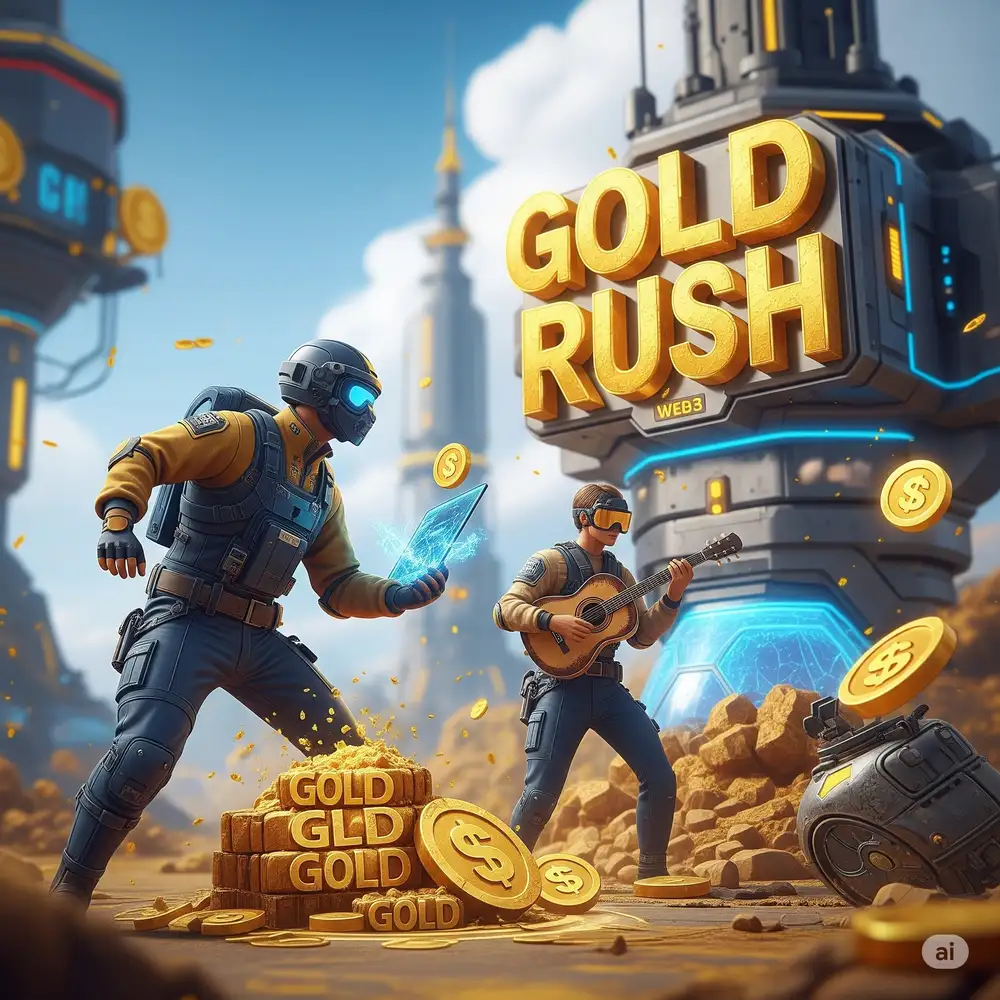
Notable Games on Each Platform
| Platform Name | Game Title(s) (Examples) | Genre(s) | Key Feature(s) |
|---|---|---|---|
| Immutable X | Gods Unchained, Illuvium, Guild of Guardians, MetalCore, Medieval Empires, Badmad Robots, Dark Frontiers Universe, RavenQuest, Mystery Society, Space Nation, Treeverse, Immortal Rising 2, Blade of God X, WAGMI Defense | TCG, RPG, MMORPG, Shooter, Strategy, Puzzle | AAA production, NFT integration, Gas-free transactions, Seamless onboarding (Passport) |
| Ronin Network | Axie Infinity, Pixels, The Machines Arena, Battle Bears Heroes, Lumiterra, Wild Forest | Monster Battling, Simulation, RPG, Shooter, Strategy, MMORPG | Purpose-built for gaming, Low fees, High throughput, EVM compatible |
| Polygon | Planet IX, Dustland Runner, Crazy Defense Heroes, MintWorld, Chibi Clash, Angry Dynomites Lab, Blockchain Cuties Universe, Superb, Forest Knight, Sunflower Land, BLOCKLORDS | GameFi, Audio Adventure, Tower Defense, RPG, Monster Catcher, Auto Battler, NFT Collectible, Farming, MMO Strategy | Ethereum scaling, Low fees, Fast transactions, Broad dApp ecosystem |
| Solana | Star Atlas, Aurory, STEPN, Mini Royale: Nations, BR1: INFINITE, DeFi Land, Genopets | MMORPG, RPG, Move-to-Earn, FPS, Simulation, Fitness | High TPS, Ultra-low fees, Real-time gameplay, NFT integration |
| Gala Games | TownStar, Mirandus, Fortified, Common Ground World, Wild Forest | City-builder, MMORPG, Tower Defense, Farm Simulation, RTS | Player ownership, Decentralized governance, Proprietary GalaChain, Cross-platform (games, music, film) |
Comparative Analysis: Differentiating the Leaders
The top emerging Web3 gaming platforms, while sharing common foundational principles, exhibit distinct approaches and competitive advantages. A comparative analysis highlights their unique strengths and strategic positioning in the evolving market.
Performance Benchmarking: A Direct Comparison
Scalability: Each platform employs different strategies to achieve scalability, a critical factor for smooth gaming experiences.
- Solana generally leads in raw transaction processing speed, boasting over 65,000 transactions per second (TPS) and exceptionally low fees (averaging under $0.01). This makes it highly efficient for high-frequency in-game transactions and real-time interactions.
- Immutable X addresses scalability for Ethereum-based NFTs and games by utilizing Layer 2 zero-knowledge rollups, enabling gas-free transactions and near-instant trade confirmations. This offloads significant transaction volume from the congested Ethereum mainnet.
- Polygon, as an Ethereum Layer 2 solution, has ambitious plans to scale to 100,000 TPS with its “Gigagas” roadmap, aiming to match the speed and reliability of traditional financial infrastructure. It currently offers low fees and fast transactions through its PoS Commit Chain.
- Ronin Network, purpose-built for gaming, provides near-instant and low-cost transactions, demonstrating its ability to handle millions of daily users within its ecosystem.
- GalaChain, Gala Games’ proprietary Layer 1 blockchain, is designed for predictable costs and burst-resilient throughput, with fast block times (under three seconds even during spikes) and a fee model based on byte size rather than computational complexity.
User Adoption (Gaming Focus): While the overall Web3 gaming market is projected for significant long-term growth (reaching up to $124.74 billion by 2032 ), recent DappRadar reports for Q1 and Q2 2025 indicate a period of market recalibration. Blockchain gaming activity saw a decline in daily Unique Active Wallets (dUAW), reaching a low of 4.8 million in April/Q2 2025, and its market dominance slightly decreased, now tied with DeFi at 21% or being surpassed by AI. This trend is not necessarily a sign of failure but indicates a market “reset mode,” where speculative hype is cooling down, and the focus is shifting towards sustainable development, quality gameplay, and long-term retention rather than purely token-driven engagement.
- Ronin has historically leveraged the massive Axie Infinity user base, supporting millions of daily users and billions in NFT volume. However, its strategic diversification is evident as Axie Infinity now accounts for only 33% of its activity in April 2025, with new titles like Lumiterra gaining traction.
- Immutable zkEVM reported strong growth in 2024, achieving 2.5 million monthly active users within three months of its launch and commanding a significant market share.
- Polygon‘s gaming ecosystem also experienced notable user growth, with a 129.3% increase in unique active users and over 2.58 million transactions in a 30-day period.
- Gala Games has attracted a substantial user base, with 1.3 million MAU in 2023 and significant new account sign-ups in 2024 and 2025 through strategic partnerships and mobile app launches.
Funding & Investor Backing: All five platforms have secured significant funding, indicating strong investor confidence in the Web3 gaming sector.
- Immutable X and Polygon stand out with the largest reported funding rounds, having raised $857 million and $450 million respectively, from top-tier venture capital firms and strategic investors.
- Sky Mavis (parent company of Ronin) also secured substantial investments, totaling $311 million, including a significant round led by Binance to enhance network security.
- Solana benefits from corporate accumulation of its native SOL token and grants from the Solana Foundation, with over $100 million funded projects.
- Gala Games has raised $12 million, supported by investors like Binance.
Also read: CDL 2025 Champs: Did Anyone Else Survive That?!
Strategic Positioning and Niche Focus
A key differentiation among these platforms lies in their strategic positioning: whether they are purpose-built for gaming or are general-purpose blockchains that also cater to gaming.
- Gaming-First Platforms: Immutable X, Ronin Network, and Gala Games fall into this category. They are explicitly designed with gaming in mind, offering tailored features, developer tools, and community support to optimize the gaming experience.
- Immutable X positions itself as the premier Layer 2 for Ethereum-based NFT games, focusing on abstracting blockchain complexities for developers and users through solutions like gas-free transactions and Immutable Passport.
- Ronin Network is a specialized gaming sidechain that aims to be a “decentralized gaming console,” initially thriving on the success of Axie Infinity but now actively diversifying its game portfolio to become a multi-title ecosystem.
- Gala Games is building a comprehensive Web3 entertainment ecosystem on its proprietary GalaChain, emphasizing player ownership and community governance across games, music, and film. This broad entertainment vision aims to diversify its user base and revenue streams.
- General-Purpose with Gaming Niche: Polygon and Solana represent high-performance, general-purpose blockchains that are highly suitable for gaming due to their technical prowess.
- Polygon is a versatile Layer 2 scaling solution for Ethereum, with a broad focus that includes DeFi, payments, real-world assets, and gaming. Its strategy is to provide a comprehensive suite of scaling options for various dApps, appealing to a wide range of developers.
- Solana is a high-performance Layer 1 blockchain that prioritizes speed and low cost for a wide array of dApps. Its long-term roadmap is heavily focused on becoming a foundational layer for global financial markets, suggesting that while gaming is a strong use case, it is part of a larger, more diverse strategic vision rather than the sole focus.
This divergence presents different risk/reward profiles for developers and investors. Gaming-first platforms can offer highly optimized experiences and dedicated communities but might face challenges with broader ecosystem liquidity. General-purpose platforms, conversely, offer massive scalability and institutional liquidity but might lack the gaming-specific features or dedicated support found on specialized chains. The “gold rush” in Web3 gaming is likely to see success in both models, driven by different value propositions and appealing to different types of games and user bases.
Comparative Overview of Top 5 Web3 Gaming Platforms (Key Metrics)
| Metric | Immutable X | Ronin Network | Polygon | Solana | Gala Games |
|---|---|---|---|---|---|
| Layer | Layer 2 (Ethereum) | Sidechain (Ethereum) | Layer 2 (Ethereum) | Layer 1 | Layer 1 (GalaChain) |
| Consensus | Zero-Knowledge Rollups | DPoS (PoSA Hybrid) | PoS Commit Chain | PoH + PoS | Custom PoA (Hyperledger Fabric) |
| Key Scalability | Gas-free NFTs, Instant txns, 9,000+ TPS (theoretical) | Near-instant txns, Minimal fees | Low fees, Instant txns, 1,000 TPS (current), 5,000+ TPS (2025 target), 100,000 TPS (2026+ target) | 65,000+ TPS, Sub-$0.01 fees | Near-instant txns, Predictable low fees, Sharding |
| Total Funding | $857M | $311M (Sky Mavis) | $450M | N/A (Corporate SOL holdings, Foundation Grants) | $12M |
| Gaming User Metrics | 4M+ Passport signups (Dec 2024), 2.5M MAU on zkEVM (2024) | Millions of daily users (Axie Infinity), Axie 33% of Ronin activity (Apr 2025) | 812.4K unique active users, 2.58M txns (30-day period) | Top new dev ecosystem (2024), High dUAW for certain dApps | 1.3M MAU (2023), 3M+ registered users (2024) |
| Noteworthy Games | Gods Unchained, Illuvium, Guild of Guardians | Axie Infinity, Pixels, Lumiterra | Planet IX, Sunflower Land, BLOCKLORDS | Star Atlas, Aurory, STEPN | TownStar, Mirandus, Common Ground World |
The Future of Web3 Gaming: Outlook and Recommendations
The Web3 gaming sector, despite its recent “recalibration” periods marked by a decline in daily active users and a shift away from speculative tokenomics, is poised for significant long-term growth. The industry is moving beyond initial hype cycles towards more structured and sustainable development, focusing on delivering genuine value to players. This evolution will be shaped by several key trends and presents distinct opportunities for investors, developers, and players.
Evolving Trends
- Shift Towards Sustainable Game Design: The market is increasingly prioritizing compelling gameplay, digital ownership, and long-term player retention over purely financial incentives. Games that successfully integrate blockchain elements without compromising on entertainment value are likely to gain broader appeal and achieve sustained success. This means a move from “Play-to-Earn” to “Play-and-Earn,” where fun is paramount.
- AI Integration: Artificial intelligence is becoming an integral part of Web3 gaming. It is being leveraged to enhance game development efficiency, automate tasks like asset creation, and improve user interaction. Beyond development, AI agents are gaining traction in decentralized applications, suggesting future game mechanics could incorporate more sophisticated AI-driven characters and environments, leading to more immersive experiences.
- Mobile-First Development & Seamless Onboarding: To achieve mass adoption, Web3 gaming must overcome the friction associated with blockchain technology. Platforms are increasingly focusing on mobile accessibility and abstracting complex blockchain interactions. Solutions like Immutable Passport, which simplifies wallet integration and enables pre-approved transactions, along with the development of Telegram mini-apps, are crucial for attracting mainstream users accustomed to seamless Web2 experiences.
- Interoperability and Cross-Chain Solutions: The ability for in-game assets to be utilized across different games and platforms will continue to be a significant area of development. This interoperability enhances the value and utility of digital collectibles, fostering a more connected and expansive gaming ecosystem.
Also read: Ranking of the Richest eSports Players
Investment Opportunities
For those considering investment in the Web3 gaming space, several areas present compelling opportunities:
- Infrastructure Providers: Investments in underlying scaling solutions (Layer 2s, sidechains), robust developer tools, and user onboarding solutions that effectively reduce friction are critical. Platforms that simplify the technical complexities for both developers and end-users are essential for widespread adoption.
- Games with Strong Gameplay Fundamentals: Prioritizing projects that balance innovative P2E mechanics with genuinely compelling and fun gameplay is paramount. Games that can attract and retain non-crypto native players based on their entertainment value alone will have a more sustainable future.
- Platforms with Diversified Ecosystems: Platforms that are strategically expanding beyond pure gaming into broader entertainment verticals (e.g., music, film) or integrating with high-volume financial applications and real-world assets can offer more stable, long-term growth by hedging against the inherent volatility of the gaming industry.
- Mobile-Focused Titles: Given the massive global mobile gaming market, games specifically designed for mobile devices with simplified Web3 integration are crucial for reaching a broad audience and driving mass adoption.
Recommendations for Game Developers
For game developers looking to enter or expand within the Web3 space, strategic considerations are vital for success:
- Prioritize Gameplay: The primary focus must be on creating genuinely fun and engaging experiences. Web3 elements should enhance, not detract from, the core gameplay loop. A game that isn’t fun will not retain players, regardless of its economic model.
- Leverage Scaling Solutions: Build on platforms that offer low fees, high transaction speeds, and seamless user experiences. Immutable X, Ronin, Polygon, Solana, and GalaChain each offer distinct advantages in this regard, providing the necessary infrastructure for scalable and responsive games.
- Simplify Onboarding: Implement solutions that minimize friction for new players. Utilizing tools like Immutable Passport or exploring wallet-less onboarding and fiat payment options can significantly lower the barrier to entry for mainstream gamers.
- Foster Community Engagement: Actively involve players in the game’s development and governance through DAOs and community forums. This builds loyalty, a sense of shared ownership, and can provide valuable feedback for iterative improvement.
- Explore AI Integration: Investigate how artificial intelligence can enhance various aspects of game development, from procedural content generation and dynamic NPCs to personalized player experiences and optimized economic models.
Recommendations for Players
For players interested in the Web3 gaming space, a discerning approach is recommended:
- Research Thoroughly: Before investing significant time or money, understand the specific play-to-earn models, tokenomics, and underlying blockchain of any game. Evaluate the sustainability of its economic design and the transparency of its operations.
- Prioritize Fun: Seek out games that offer enjoyable and compelling gameplay first. While financial incentives can be attractive, a game that is not inherently fun is unlikely to provide a sustainable or rewarding experience.
- Secure Wallets: Use reputable crypto wallets and adhere to best practices for digital asset security, including securely storing recovery phrases and enabling multi-factor authentication.
- Engage with Communities: Participate in decentralized autonomous organizations (DAOs) and community forums. This allows players to influence game development, share strategies, and connect with fellow enthusiasts, fostering a more immersive and interactive gaming experience.
Also read: Unlocking the Game Within the Game: The Case for Deeper Esports Markets
Conclusion
The Web3 gaming market is undeniably a new frontier, presenting a significant “gold rush” potential that extends beyond mere speculative frenzies. While recent DappRadar reports indicate a period of recalibration with a temporary dip in daily active users, this signals a healthy maturation of the industry. The focus is shifting from short-term token hype to the development of sustainable, high-quality games that prioritize engaging gameplay, true digital ownership, and long-term player retention. This transformation is moving power from centralized entities to players and communities, fundamentally reshaping the dynamics of digital entertainment.
The top five emerging platforms—Immutable X, Ronin Network, Polygon, Solana, and Gala Games—each offer distinct pathways to this future. Immutable X and Ronin Network exemplify the “gaming-first” approach, providing highly optimized environments and tailored tools for developers and players within the gaming niche. Polygon and Solana, while general-purpose blockchains, offer unparalleled scalability and broad ecosystem liquidity that make them highly attractive for gaming, alongside their expanding roles in DeFi and real-world asset tokenization. Gala Games stands out with its comprehensive Web3 entertainment vision, diversifying beyond gaming into music and film to build a more robust and resilient ecosystem.
The continued evolution of these platforms, characterized by innovations in scalability, seamless user onboarding, robust developer support, and strategic ecosystem diversification, will define the next era of digital play. For those willing to navigate its complexities and invest in its long-term potential, Web3 gaming holds the promise of unlocking unprecedented value for all participants in this evolving digital landscape.
Also read: Why Maryland Bettors Are Turning to Esports: A New Frontier in Online Wagering
 How to choose a cryptocurrency? How does Bitcoin make money?
 Leading 5 Online Casinos with Crypto Payments
 5 Unusual Facts To Know About Cryptocurrency
 The Rise of Play-to-Earn Games: What Drives The Axie Infinity Craze?
 How $400 Million was Stolen from FTX Crypto Assets?! Sam Bankman-Fried Goes To Golden Villain?
 Oryen is a Fast-Growing Cryptocurrency Exchange that has Recently Gained Popularity
 Can Cryptos benefit from the 2022 World Cup? Algorand, Chiliz, Big Eyes Coin and Web3
 Blockchain vs Cryptocurrency – What is the difference between both?
 Best Online Lottery Sites with Crypto Gaming
 Best Crypto & Bitcoin Casinos
 EToro Review + Top Alternatives & Competitors
 10 Effective Strategies To Go Viral On Twitter For NFT Project