
The crypto market has grown up. There are thousands of coins, millions of users, and more exchanges than ever. But here’s the problem: not all platforms are built the same. Some are easy to use but lack key features. Others look promising until you try to withdraw your money or get help from support. Choosing the right crypto exchange in 2025 isn’t just about who has the lowest fees; it’s about picking a platform you can trust and actually enjoy using.
Before you sign up anywhere, it helps to know what you are getting into. Let’s break it down.
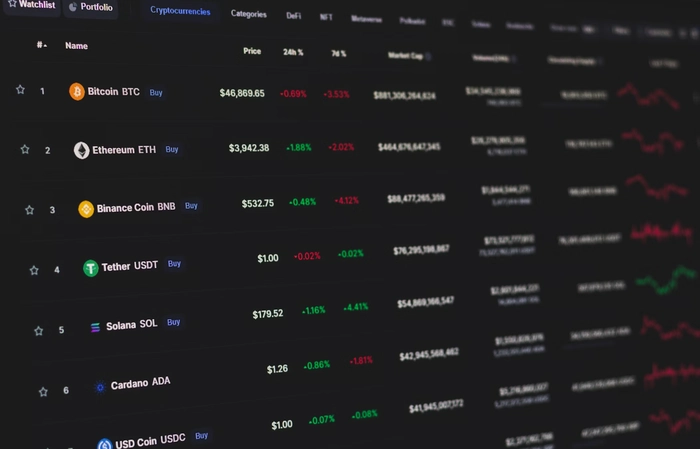
Centralized or Decentralized?
This is one of the first decisions you need to make. Centralized exchanges, often run by large companies, handle your private keys and take care of the trading process behind the scenes. That makes them easier to use and usually more reliable when you need help. But using one also means you’re handing over control of your funds and relying on the platform’s security.
Decentralized exchanges work differently. They let you trade straight from your own wallet without giving up your keys. That gives you more control and privacy, which many users prefer. But it also means you need to know what you’re doing, since there’s no customer support and transactions can take more steps. For beginners, centralized platforms are usually the better starting point. On the other hand, more advanced users who value privacy might lean toward a decentralized option, but in the end, you choose what’s a priority.
Why No KYC Exchanges Still Have a Place
Most major exchanges now require identity checks, also called KYC, short for “Know Your Customer.” This process involves uploading documents or photos to verify who you are. It’s become the norm, especially as regulations tighten. But exchanges that skip KYC requirements still exist, and they offer clear advantages.
Trading without verification means opening an account quickly and avoiding handing over personal data. For users in certain regions or those who just want to stay more private, that can make a big difference. These platforms also let you get started faster, without long wait times. That said, the trade-off is fewer safety nets, so you’ll need to take extra care with your funds and your setup. If you’re looking for that kind of flexibility, options are still worth considering, such as Best Wallet, Margex, or BingX (source:https://bestwallet.com/ja/no-kyc-crypto-exchange/).
What Coins and Pairs Are Available?
It might sound obvious, but make sure the exchange you’re choosing actually supports the coins you plan to trade. Some platforms only offer a few major tokens like Bitcoin and Ethereum, while others list hundreds, including new and smaller projects.
You’ll also want to check which trading pairs are available. Can you go directly from one token to another, or do you have to convert to something like USDT first? Platforms that support multiple blockchains or cross-chain swaps can save you time and reduce fees. If you’re active in DeFi or moving assets across networks, that flexibility can make a big difference.
Obvious and Hidden Fees
Most exchanges make their money from trading fees, which are usually shown as a small percentage per trade. These might look tiny, but if you trade often, they can add up quickly. It’s also important to look at other costs like deposit and withdrawal fees, as some platforms even charge extra depending on how you’re funding your account.
Another fee that’s easy to overlook is the network or gas fee, which applies when moving funds on the blockchain. Some exchanges cover that cost for you, while others pass it along. A good way to judge the true cost is to run through a sample trade, including funding and withdrawal, and see how much you actually keep.
For example, if you’re trading non-Ethereum tokens (like Tether) on ERC-20, you’ll still need to pay for gas fees in ETH currency. To buy ETH on the same network using your Tether will again require a gas fee in ETH. Small things like this can often confuse beginners, but are important to keep an eye on.
Never Skip Security
It doesn’t matter how easy or fast a platform is if your money isn’t safe. A secure exchange should have two-factor authentication to protect your login, offline or “cold” storage for most user funds, and an option to limit withdrawals to specific wallet addresses.
You should also look into the exchange’s history. If it’s ever been hacked or involved in controversy, that doesn’t necessarily mean it’s unsafe now, but how the company handled the situation says a lot. Transparency, user communication, and compensation after a breach are signs that the platform takes security seriously.
The Bottom Line
There’s no perfect exchange for everyone. What works for one person might be a bad fit for someone else. The right choice depends on what you trade, how often, and what features you value most.
If the platform is secure, supports your coins, offers good support, and keeps the experience simple, you’re on solid ground. Just remember that the crypto space is moving fast, so your exchange should help you keep up, not hold you back.
 How to choose a cryptocurrency? How does Bitcoin make money?
 Leading 5 Online Casinos with Crypto Payments
 5 Unusual Facts To Know About Cryptocurrency
 The Rise of Play-to-Earn Games: What Drives The Axie Infinity Craze?
 How $400 Million was Stolen from FTX Crypto Assets?! Sam Bankman-Fried Goes To Golden Villain?
 Oryen is a Fast-Growing Cryptocurrency Exchange that has Recently Gained Popularity
 Can Cryptos benefit from the 2022 World Cup? Algorand, Chiliz, Big Eyes Coin and Web3
 Blockchain vs Cryptocurrency – What is the difference between both?
 Best Online Lottery Sites with Crypto Gaming
 Best Crypto & Bitcoin Casinos
 EToro Review + Top Alternatives & Competitors
 10 Effective Strategies To Go Viral On Twitter For NFT Project