
The world of online gaming has a new player in town, and it’s starting to look like they’re here to stay.
We are talking, of course, about the precipitous rise of prediction markets. Though they have been around for quite some time, they have really only hit the mainstream over the past couple of years. Their popularity is so ubiquitous, in fact, that plenty of gaming sites now have their own. If you look at the top sportsbooks and casinos broken down over at vegasbetting.com, you will notice that many of them also offer prediction-market sections.
These operations look eerily similar to traditional online betting at first glance. Yet, subtle differences in how they work have (so far) facilitated their fast and furious crescendo throughout the gaming community.
Why are prediction markets growing so rapidly, though? A couple of reasons stand out above the others.
Prediction Markets are Easier to Access Than Other Online Gaming Platforms
First and foremost, we have the distinction between prediction markets and traditional gambling. For the most part, online gambling must be legalized and regulated by each individual state. This is why some places in the United States allow sports betting and casino gaming, while others do not.
Prediction markets, however, are considered an extension of the derivatives market. They frame each transaction like the purchase of a share of stock. Customers invest in yes-or-no outcomes, at a price per share. These events can range from sporting events (Will the Dallas Cowboys win the Super Bowl?) to entertainment and political markets (Who will win the 2028 presidential election?).
Mind you, this is just the tip of the iceberg. Prediction markets allow customers to “invest” in basically anything. The price of gas, whether it will rain tomorrow, mortgage interest rates—you name it, there is probably a prediction market for it.
At any rate, these transactions are regulated by the federal government rather than each individual state. This means companies like Kalshi, Polymarket, FanDuel and DraftKings do not need specific laws to pass or expensive licenses to provide their services.
In the past, the federal government has still muted the impact of prediction markets. Under President Donald Trump’s current administration, however, prediction markets have been allowed to operate just about anywhere. Some states have filed lawsuits, but they are so far to no avail.
Given the scope and scale at which prediction markets can be deployed, they are therefore more accessible. It isn’t just about people in states without legalized gambling, either. Because prediction markets cover so many different events and sectors, they have become a preferred choice for many who already have gambling accounts elsewhere.
On top of all that, users only have to be 18 years of age to use prediction markets. By comparison, online casinos and sportsbooks usually implement a minimum age of 21 for customers to sign up.
Studies Show Prediction Markets Offer Better Potential Odds
The other thing that prediction markets currently have going for them is the odds they are offering.
Prediction markets do not operate as “The House” in transactions. All the money invested in a particular market (i.e. event) gets pooled together. Operators take a cut of that money, and the rest gets paid out to the winners according to how many “shares” they purchased.
This results in the odds of a given event being determined entirely by public action. And while there have been outlier outcomes, a recent study showed that prediction markets offer more favorable returns than many gambling sites.
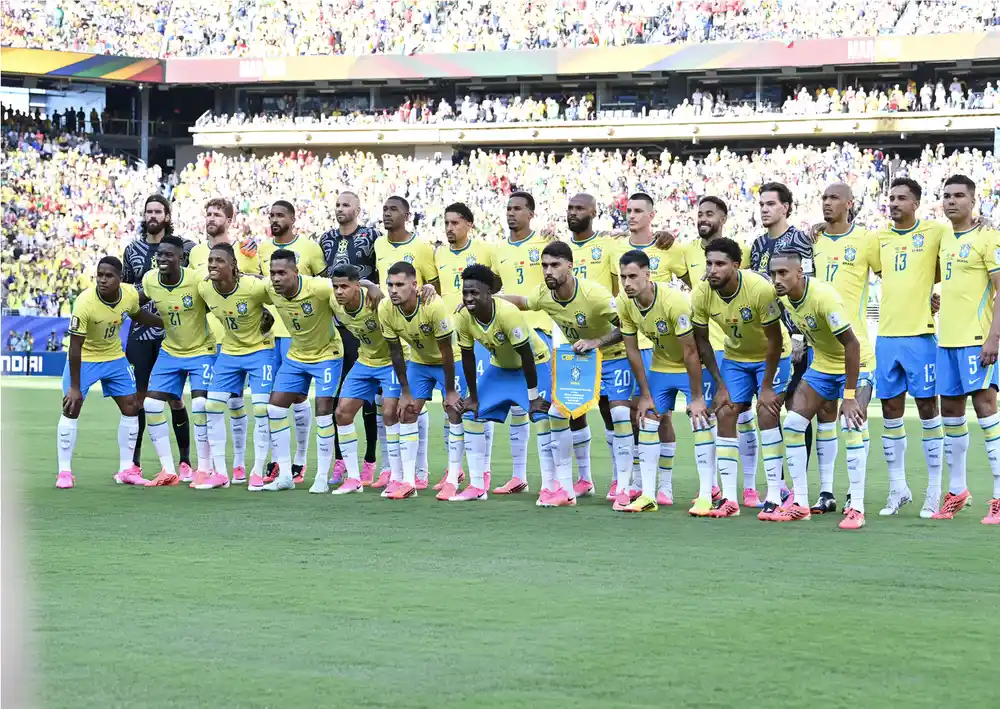
This especially holds true when it comes to sports betting. As it turns out, the 2026 FIFA World Cup proved to be the breakthrough observation. Jordan Bender of Citizens Equity Research found that “Polymarket posted the best pricing in all 104 World Cup matches.”
Granted, this needs to be investigated further across more events. But Bender has been keeping track of “pricing data across major sports betting events” since the beginning of the 2025 NFL season. And despite some early volatility in the data, prediction markets have come out ahead in almost every tentpole sporting event over the past year-plus.
It is not immediately clear what accounts for the better pricing. However, Bender believes that the improved odds from prediction markets speaks to “higher trading volumes, deeper market-maker participation and increased competition among liquidity providers.”
Basically, the more popular prediction markets become, the more likely they are to offer better odds on major events. In addition to their landslide victory over sports betting markets for the World Cup, they also apparently had much better lines for the 2026 March Madness Tournament.
If this trend keeps up, well, we’ll have to stop calling it a “trend.” It’ll simply be the reality. And while it remains to be seen whether prediction markets can ever usurp online casinos and sportsbooks in total popularity, what’s happening right now infers something similarly profound: that prediction markets are here to stay.
Leo Falsafi is a digital marketing veteran and senior journalist at Virlan.co, where he covers the intersection of digital marketing, gaming, and breaking US trending news. With nearly two decades of hands-on experience in SEO and digital strategy, Leo has consulted for and scaled hundreds of companies. His deep industry roots allow him to deliver sharp, fact-checked insights and analysis on the trends shaping today's digital landscape.