
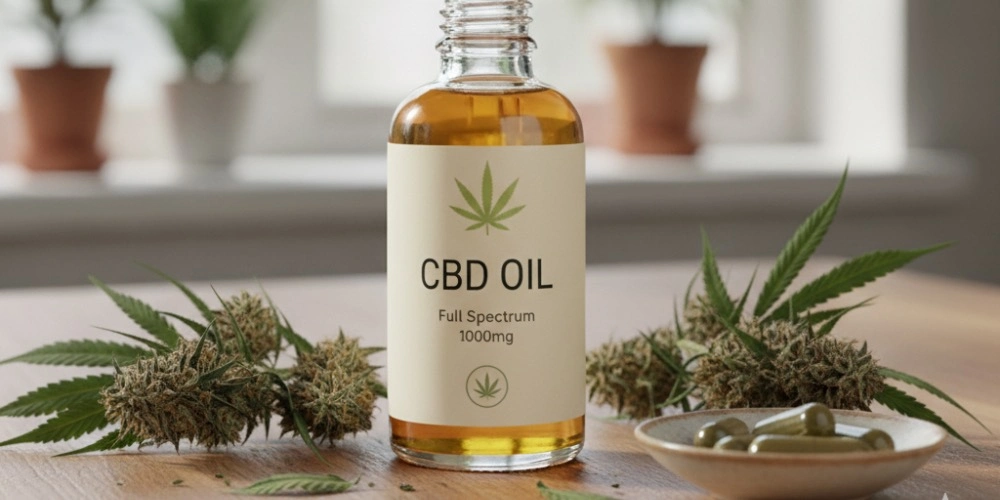
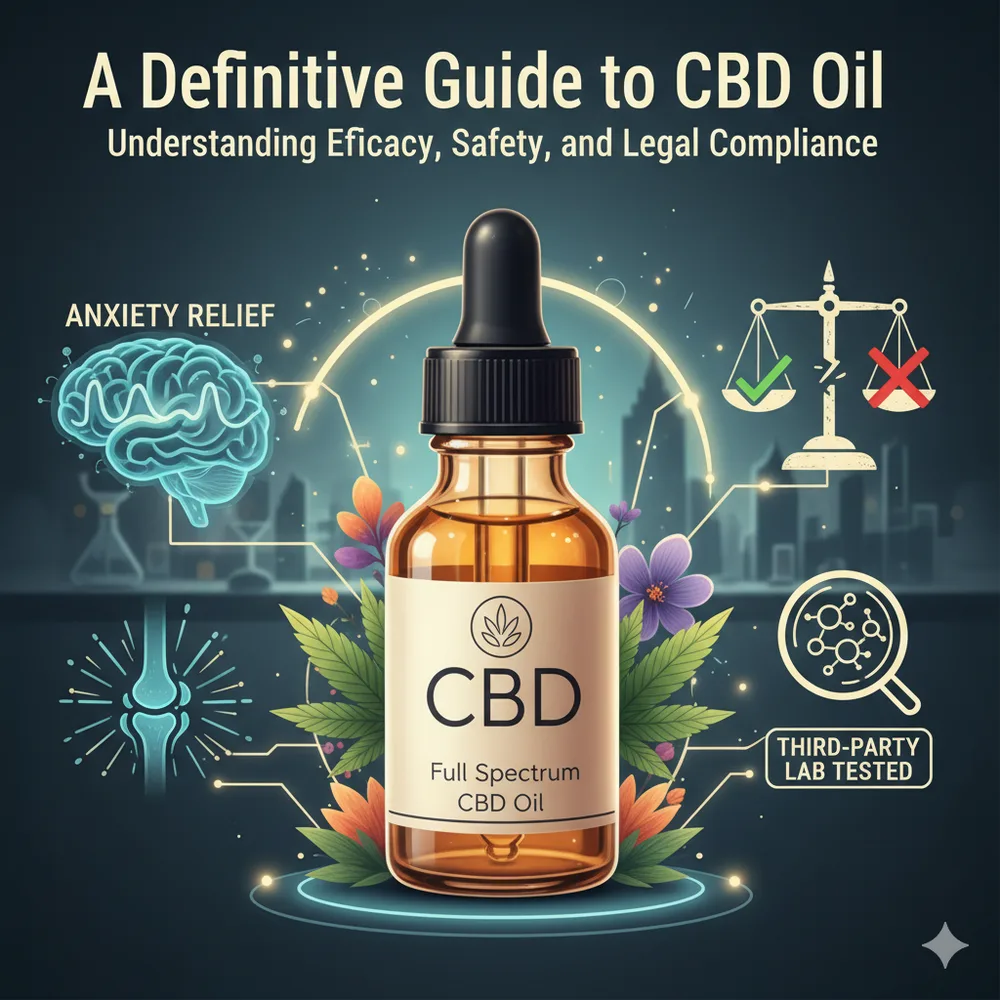
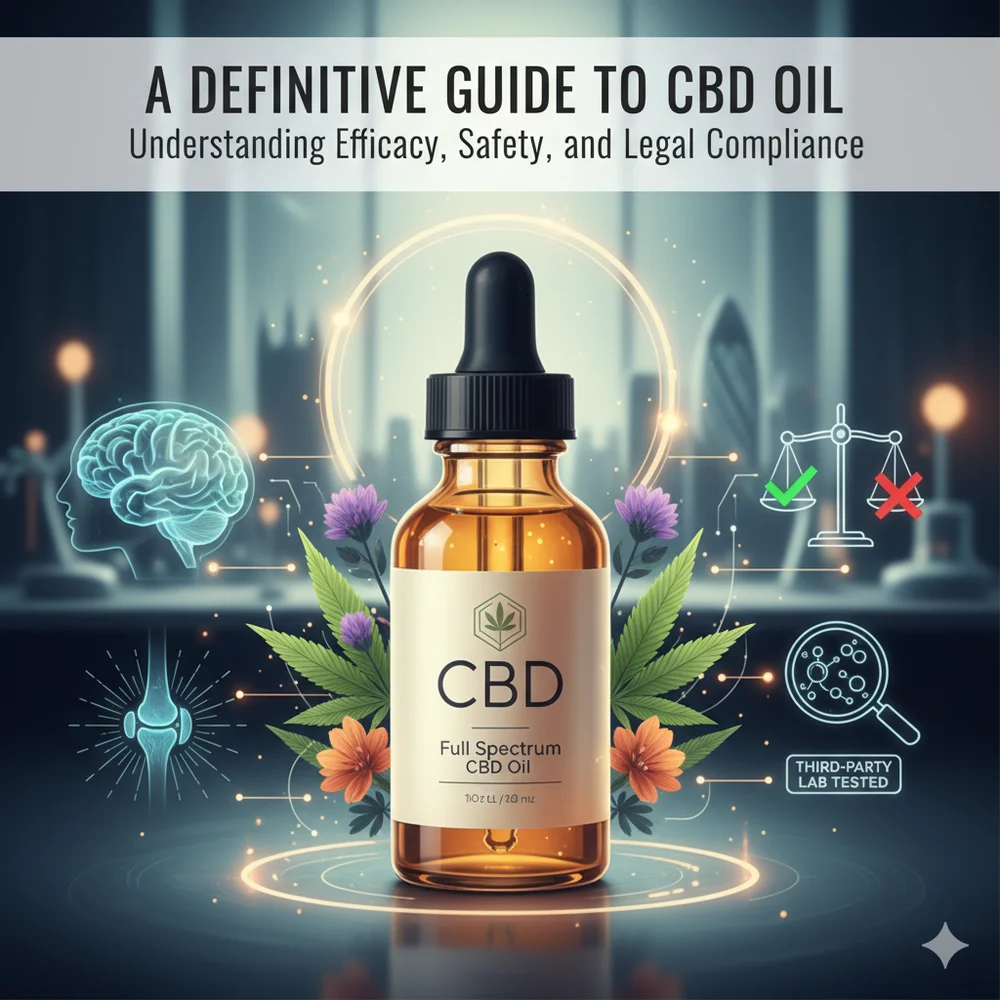
Explore the world of CBD oil with our definitive guide. Learn what CBD is, its potential benefits for pain and anxiety, and how to choose a safe, legal product in the UK. Understand dosing, side effects, and more.
CBD Oil: Understanding Efficacy, Safety, and Legal Compliance
Cannabidiol (CBD) is a naturally occurring compound derived from the Cannabis sativa plant that has gained significant attention for its potential therapeutic properties. Unlike its counterpart, tetrahydrocannabinol (THC), CBD is non-psychoactive and does not produce a “high”.1 While preliminary research and a growing body of anecdotal evidence suggest potential benefits for a range of conditions, including anxiety, pain, and inflammation, the efficacy of CBD for many of these applications is still under investigation.2 The market for CBD products is largely unregulated, which poses a substantial risk to consumers due to the potential for inaccurate labeling, undisclosed ingredients, or contaminants.4
For any individual considering the use of CBD oil, a cautious and informed approach is paramount. This report establishes a foundational understanding of CBD, its various forms, and its biological mechanisms, while providing essential, actionable guidance for responsible use. The core recommendations are to: first, consult with a qualified healthcare professional before beginning use, particularly if taking other medications; second, adopt a “low and slow” dosing methodology to determine an individual’s ideal response; and third, meticulously vet all potential products by prioritizing those with transparent, third-party lab results to ensure quality and safety.
What is CBD Oil?
Defining CBD and the Cannabis Plant
Cannabidiol, or CBD, is one of more than a hundred cannabinoids found in the cannabis plant.2 It is an active ingredient in hemp, a variety of the
Cannabis sativa plant, which contains only trace amounts of the psychoactive compound THC.1 While both marijuana and hemp are types of cannabis, they are distinguished primarily by their THC content; hemp contains virtually no THC (typically below 0.3%), whereas marijuana can contain up to 30%.1 Because marijuana is illegal in most regions, the vast majority of commercially available CBD is extracted from legally cultivated hemp plants.1 This ensures that CBD products do not induce intoxicating effects and allows them to be sold and consumed legally in many places, including the United Kingdom, subject to specific regulatory standards.1
CBD Oil vs. Hemp Seed Oil: The Critical Distinction
A common point of confusion for consumers is the difference between CBD oil and hemp seed oil. Despite being derived from the same plant species, the two products are fundamentally different in their composition and purpose.1 CBD oil is made by extracting the cannabinoid compound from the leaves, flowers, and stalks of the hemp plant, where the highest concentration of CBD is found.1 This product is sought for its potential therapeutic properties, such as its ability to reduce anxiety, alleviate pain, or improve sleep.1 In contrast, hemp seed oil is produced by cold-pressing the seeds of the hemp plant.1 While hemp seeds are a rich source of healthy fats and nutrients, including omega-rich fatty acids, they contain little to no CBD.1 Hemp oil is primarily used as a culinary ingredient, a dietary supplement, or a base for cosmetic products, and it cannot provide the same therapeutic benefits as CBD oil.1 The distinction between these products is critical because some retailers mislabel hemp seed oil as a “CBD” product, which can lead to consumer disappointment and a mistaken conclusion that CBD itself is ineffective when the wrong product was purchased.9
The Endocannabinoid System (ECS) and How CBD Works
The therapeutic effects of CBD are believed to be mediated through its interaction with the body’s endocannabinoid system (ECS).8 The ECS is a complex biological system responsible for maintaining homeostasis, or a state of natural balance, across various physiological functions.1 It consists of a network of cannabinoid receptors—primarily CB1 and CB2—which are located throughout the central and peripheral nervous systems.2
CBD promotes balance within the body by activating these receptors, which in turn helps regulate mood, temperature, cognitive function, and muscle repair.1 Beyond its direct interaction with receptors, CBD has a more nuanced mechanism of action. It can indirectly increase the levels of the body’s own naturally produced cannabinoids, known as endocannabinoids.2 For example, CBD has been shown to inhibit the fatty acid amide hydrolase (FAAH) enzyme, which is responsible for metabolizing anandamide, a key endocannabinoid. By blocking this enzyme, CBD effectively enhances anandamide levels, thereby indirectly increasing CB1 receptor activation and regulating processes such as long-term learned fear.2 This multifaceted mode of action, rather than a simple single-target effect, may explain the broad range of potential benefits attributed to CBD.
Product Choices: A Deep Dive into CBD Formulations
The Spectrum of CBD Products
The commercial CBD market offers three primary types of products, each defined by its unique cannabinoid and plant compound profile.9
- Full-Spectrum CBD: This formulation contains a comprehensive profile of the compounds found in the entire hemp plant. In addition to CBD, full-spectrum products include other beneficial cannabinoids like cannabigerol (CBG), cannabinol (CBN), and cannabichromene (CBC), as well as terpenes and flavonoids.8 Critically, full-spectrum CBD also contains a legally compliant, detectable amount of THC (typically up to 0.3% in the United States and less than 1mg per container in the UK).7
- Broad-Spectrum CBD: Similar to full-spectrum, broad-spectrum CBD contains a range of beneficial cannabinoids, terpenes, and other plant compounds.10 The key difference is that broad-spectrum products have had the THC removed during the manufacturing process.8 This makes it an ideal option for individuals who wish to avoid THC entirely, such as those subject to drug testing, while still potentially benefiting from the synergistic effects of the other compounds.10
- CBD Isolate: As the name implies, CBD isolate is the purest form of CBD.8 It is a crystalline powder that has been processed to remove all other plant compounds, including THC, terpenes, and flavonoids.10 Isolate products are typically 99% pure CBD, providing the highest concentration of the single compound per serving.8
The “Entourage Effect” Explained
The choice between these formulations often comes down to the theory of the “entourage effect.” This theory posits that the various compounds found in the cannabis plant—including cannabinoids, terpenes, and flavonoids—work synergistically to enhance each other’s therapeutic effects.9 Research evidence, such as a 2015 study from the Hebrew University of Jerusalem, has found that full-spectrum extracts were more beneficial for individuals dealing with persistent discomfort than standalone CBD isolates.10 This suggests that while CBD itself has therapeutic properties, the presence of other plant compounds can amplify its efficacy.10
This phenomenon creates a critical trade-off for the consumer: the most potent and potentially effective option (full-spectrum) comes with the risk of THC exposure, which could be a concern for individuals who need to pass drug tests or who are sensitive to the compound.7 Conversely, while broad-spectrum and isolate products offer a THC-free alternative, they may not provide the full benefits of the entourage effect.9
Forms and Administration Methods
CBD products are available in a variety of forms, each with a different method of administration, onset time, and duration of effect.3
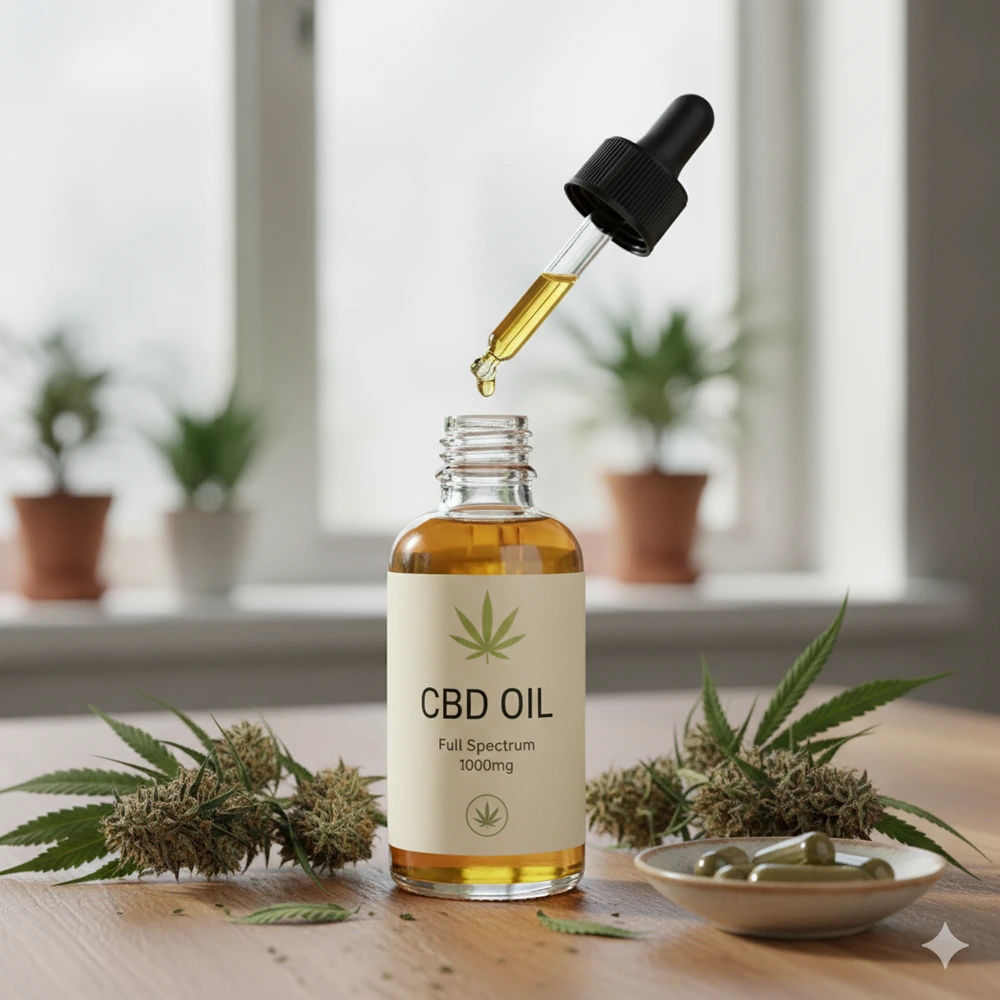
- Oils and Tinctures: These CBD-infused liquids are typically taken sublingually, meaning drops are placed under the tongue and held for 60-120 seconds before being swallowed.3 This method allows for rapid absorption directly into the bloodstream through the sublingual glands, with effects often felt within 15 to 45 minutes.3 The primary drawback is that some individuals may find the taste unpleasant.3
- Capsules and Ingestibles: Products such as gummies and pills are ingested orally and absorbed through the digestive tract.3 This method is discreet and offers a precise, easy dose.9 However, absorption is slow, with a delayed onset of effect that can take one to three hours.3 Dosing can also be tricky due to the unknown effects of stomach acids and recent meals.3
- Topicals: CBD is infused into creams, lotions, salves, or balms that are applied directly to the skin over a painful joint or specific area.3 This method provides targeted relief to a localized spot but may not deliver CBD below the skin for systemic effects.3
- Vape Liquids: This method involves inhaling vaporized CBD liquid.9 Vaping offers the fastest onset time, as the CBD is absorbed directly into the lungs and bloodstream.9 However, it is also associated with potential health risks, including lung injury.9 For this reason, many reputable sources do not recommend this method.9
The following table summarizes the key characteristics of each administration method.
| Method | How It Is Taken | Pros | Cons |
| Oils & Tinctures | Sublingually (under the tongue) | Rapid onset of effects (15-45 minutes), easy to find.3 | May have an unpleasant taste.3 |
| Ingestibles (Gummies, Capsules) | Taken orally (swallowed) | Discreet, easy to dose.9 | Longer onset of effects (1-3 hours), tricky dosing due to digestive factors.3 |
| Topicals (Creams, Balms) | Applied to the skin | Provides direct, localized relief to a specific area.3 | Unclear whether it delivers CBD below the skin, difficult to dose.3 |
| Vape Liquids | Inhaled with a vaporizer | Fastest onset time.9 | May pose health risks, including lung injury; not widely recommended.9 |
The Evidence for Efficacy: Benefits and Preliminary Research
Human Health Applications
While anecdotal reports of CBD’s benefits are widespread, scientific research is still in its early stages, and the findings are often based on small studies that require further validation.3
- Pain & Inflammation: Small human studies and animal research have suggested that CBD possesses pain-relieving and anti-inflammatory properties.3 The Arthritis Foundation notes that anecdotal evidence is mixed, with some individuals reporting significant relief, while others experience no improvement.3 These effects need to be confirmed through larger, high-quality clinical studies.3
- Anxiety & Stress: Pre-clinical studies using animal models have found that CBD may have anxiolytic (anxiety-reducing), anti-stress, and anti-compulsive effects.2 A notable finding from this research is the “bell-shaped” dose-response curve, which indicates that CBD is anxiolytic at low and intermediate doses but may produce anxiogenic-like effects at higher doses.2 This finding is critical because it challenges the common assumption that “more is better” and provides the scientific rationale for adopting a “low and slow” dosing strategy. Preliminary human trials also suggest that CBD may have anxiolytic effects in both healthy volunteers and individuals with social anxiety disorder.2
- Other Potential Applications: The FDA has approved one prescription CBD product, Epidiolex, for the treatment of two rare forms of epilepsy, making it the only CBD product with approved medical use.4 Early research also shows promise for CBD as a potential treatment for conditions such as schizophrenia, Parkinson’s disease, and sleep disorders.4
CBD for Pets: A Focus on Dogs and Cats
The use of CBD for pets is a burgeoning area of interest, but scientific research is even more limited than for human applications.16 Most of the available information comes from small-scale studies and the anecdotal reports of veterinarians and pet owners.16
- CBD For Dogs: Early research suggests that CBD may help dogs with anxiety, chronic pain (e.g., from arthritis), and seizures.16 A study at Cornell University found that over 80% of dogs with osteoarthritis experienced a decrease in pain when given CBD.19 However, that same study raised a significant safety concern, noting that blood tests suggested some dogs may have experienced liver damage.16
- CBD For Cats: Scientific research on CBD for cats is particularly scarce, with much of the current knowledge based on anecdotal evidence and extrapolations from studies on other animals.17 Some veterinarians and pet owners report that CBD may help with pain, anxiety, inflammation, and behavioral issues.17
For both dogs and cats, it is critical to note that the FDA has not approved any CBD products for animal use, and the American Veterinary Medical Association (AVMA) states there is not enough scientific evidence to recommend its use.16 A major safety concern is the risk of cannabis toxicity, which can occur if a pet consumes a product with too much THC, a compound that is toxic to animals.16 Furthermore, human-grade CBD products can contain ingredients like chocolate, certain essential oils, and artificial sweeteners, which are also toxic to pets.16 Therefore, a veterinarian with experience in CBD should always be consulted before administering any product to a pet.16
Responsible Use and Safety Considerations
Known Side Effects and Safety Profile
While CBD is generally well-tolerated and considered non-toxic, it can cause a range of side effects.2 These adverse effects are not uncommon, as evidenced by a clinical trial for the prescription CBD product Epidiolex, where 91% of participants reported side effects.14 Common side effects include changes in appetite, drowsiness or fatigue, diarrhea, and dry mouth.4
Potential Drug Interactions and Contraindications
A significant safety concern is the potential for CBD to interact with other medications.4 CBD can inhibit certain liver enzymes that are responsible for metabolizing a wide range of drugs, which could either increase or decrease the drug’s concentration in the body.19 This is particularly critical for individuals taking medications such as blood thinners, certain antidepressants (e.g., Prozac), corticosteroids (e.g., prednisone), or pain relievers like tramadol and celecoxib.3
Additionally, there are several situations in which CBD use should be avoided or approached with extreme caution 14:
- Liver Disease: CBD may raise liver enzyme levels, which can be a sign of liver inflammation.14
- Pregnancy or Breastfeeding: The effects of CBD on a developing fetus or infant are not yet fully understood, and experts advise against its use during these periods.14
- Glaucoma: CBD may increase pressure inside the eyes, which can be harmful for individuals with this condition.14
- Children: CBD oil is not recommended for children unless it is prescribed and monitored by a healthcare professional.14
- Alcohol or Sedatives: The combination of CBD with alcohol or medications that cause drowsiness can increase the risk of excessive sleepiness and impairment.14
Practical Guidance: Dosing, Storage, and Shelf Life
How to Take and Use CBD Oil
The most common method for taking CBD oil is sublingually.11 This involves placing one or more drops under the tongue and holding the liquid there for 30 to 60 seconds before swallowing.11 This allows the CBD to be absorbed directly into the bloodstream, bypassing the digestive system and offering a faster onset of effects compared to oral ingestion.3 CBD oil can also be added to beverages like tea or coffee.11
The “Low and Slow” Approach to Dosing
Determining the ideal CBD dose is a highly individual process, as there is no single “right” amount that works for everyone.15 A person’s body weight, individual body chemistry, and the specific symptoms they are trying to alleviate all play a role in their response to CBD.15 For this reason, the most responsible and effective approach is to start with a low dose and gradually increase it over time, a method often referred to as “low and slow”.3
Medical experts suggest starting with a dose of 5 to 10 milligrams in sublingual form twice a day.3 If the desired relief is not achieved after three or four days, the dose can be increased by the same amount in small increments over several weeks.3 Once a dose that provides relief is found, it can be maintained to ensure a stable level of CBD in the body.3 While some studies have reported that chronic use and high doses of up to 1500 mg/day are well tolerated in humans, the recommended maximum daily intake for general use is typically around 70 mg.2
The following table provides a general guideline for starting doses based on body weight and desired strength, although it is important to remember that these are not prescriptions and individual results may vary.20
| Body Weight (kg) | Low Strength (mg/day) | Medium Strength (mg/day) | High Strength (mg/day) |
| 45 kg | 10 mg | 30 mg | 60 mg |
| 55 kg | 13 mg | 38 mg | 75 mg |
| 70 kg | 15 mg | 45 mg | 90 mg |
| 80 kg | 17 mg | 52 mg | 105 mg |
| 90 kg | 20 mg | 60 mg | 120 mg |
| 100 kg | 22 mg | 67 mg | 135 mg |
| 110 kg | 25 mg | 75 mg | 150 mg |
Proper Storage and Shelf Life
Proper storage is essential for maintaining the quality and potency of CBD oil.21 CBD can degrade when exposed to light, air, and heat, which can reduce its effectiveness over time.22 To preserve its quality, CBD oil should be stored in a cool, dark place, such as a pantry or medicine cabinet, away from direct sunlight.21 Many high-quality CBD products are sold in dark, airtight bottles to help protect them from these elements.22
When stored correctly, unopened CBD oil can have a shelf life of one to two years.22 Once opened, the chemical profile of the product should remain stable for at least six months, provided it is kept in a cool, dark place.21 Signs that the oil may have expired include changes in color, smell, or texture, such as becoming cloudy or thick.22
Navigating the UK Market: Legal and Consumer Insights
The Legal Landscape in the UK
CBD is fully legal in the UK, including England, Scotland, Wales, and Northern Ireland.7 However, its legality is subject to strict regulatory standards that govern the final product.7 A critical point of clarification is the THC content limit. While the cultivation of industrial hemp is permitted if it contains less than 0.2% THC, this figure does not apply to the final consumer product.23 For CBD oils, edibles, and other products, the legal limit is less than 1mg of THC per container.7 Any product containing more than this amount is considered illegal.7
For consumers in the UK, using legal CBD products (containing less than 1mg of THC) should not impair driving ability or result in a failed drug driving test.7 However, the use of high doses of full-spectrum products, which contain trace amounts of THC, could potentially lead to a positive result on a drug test.7
The Novel Food Regulation
Since 2020, CBD products that are intended for ingestion, such as oils, gummies, and capsules, are classified as “Novel Foods” by the UK’s Food Standards Agency (FSA).6 This classification was established to bring a high level of oversight to the market and ensure consumer safety.6 As a result, any business selling these products must have a validated Novel Food application submitted to the FSA for premarket authorization.6 This regulatory framework serves as a vital safeguard, as it mandates that products are properly tested and verified before they can be legally sold.
A Guide to Vetting and Purchasing a Quality Product
Given the largely unregulated nature of the CBD market and the prevalence of mislabeled products and quality control issues 4, consumer diligence is not just a recommendation but a necessity for ensuring safety and efficacy. The most important step a consumer can take is to verify a product’s quality through third-party lab testing.5
The Importance of Third-Party Lab Testing:
A Certificate of Analysis (COA) from an independent, third-party laboratory provides an objective analysis of a CBD product’s purity and potency.26 This is the most reliable way to confirm that the product contains the amount of CBD stated on the label and that its THC content is within legal limits.26 A comprehensive COA should test for several key factors to mitigate consumer risk 26:
- Cannabinoid Profile: To verify the quantity of CBD and ensure THC levels are below the legal threshold.26
- Heavy Metals: To confirm the absence of harmful compounds like arsenic, lead, mercury, and cadmium, which the cannabis plant can absorb from the soil.26
- Organic Solvents: To ensure no toxic solvents remain from the extraction process.26
- Biological Contaminants: To check for mold, fungi, parasites, or bacteria that could have contaminated the plant material.26
In addition to third-party lab results, consumers should look for other indicators of a reputable brand.5 These include clear and transparent product labeling that lists active and inactive ingredients, a batch or lot number, and the manufacturer’s contact information.5 Reputable brands often use US-grown, certified organic hemp and provide a clear overview of their quality control processes.25 It is also recommended to purchase CBD from reliable sources such as a pharmacy, a trusted manufacturer’s website, or a state-regulated dispensary, and to avoid products from gas stations or smoke shops.5
Conclusion and Final Recommendations
Cannabidiol (CBD) oil presents a promising area of therapeutic potential, but its use is not without complexities and risks. The evidence for its benefits is still developing, and individual responses can vary significantly. The lack of stringent, overarching market regulation makes product quality and safety the consumer’s primary responsibility.
This analysis leads to three final, critical recommendations for anyone considering CBD oil:
- Consult a Professional: Before starting any CBD regimen, it is essential to consult with a doctor, especially if an individual is pregnant, has a pre-existing medical condition, or is taking other medications. For pets, a veterinarian should always be consulted.
- Start “Low and Slow”: Given that the optimal dose is highly individual and higher doses may not be more effective, adopting a gradual, incremental dosing strategy is the safest and most effective method for finding a personal therapeutic window.
- Vet the Product: The most important action a consumer can take to ensure safety is to prioritize products from brands that provide a comprehensive, batch-specific Certificate of Analysis from a third-party lab. This single step can mitigate the risk of consuming inaccurate dosages, illegal levels of THC, or harmful contaminants.
By adhering to these guidelines, consumers can navigate the CBD market responsibly and make a more informed decision regarding its potential role in their health and wellness journey.
FAQ
CBD oil is extracted from the leaves, flowers, and stalks of the hemp plant, where the highest concentration of the CBD compound is found. Hemp oil, or hemp seed oil, is made by cold-pressing the seeds of the same plant. Hemp oil contains very little to no CBD but is rich in omega fatty acids and other nutrients, and is often used for cooking or skincare.
Yes, CBD is legal in the UK, provided that the final product contains less than 1mg of THC (tetrahydrocannabinol), the psychoactive compound in cannabis. The product must also be correctly marketed and, if it is a food or supplement, it must have a Novel Food authorisation from the Food Standards Agency (FSA).
CBD interacts with the body’s endocannabinoid system, which helps regulate various functions, including pain, mood, and sleep. Preliminary research and anecdotal evidence suggest it may help with:
Pain and Inflammation: By interacting with pain receptors and having anti-inflammatory properties, CBD is being studied for conditions like arthritis and chronic pain.
Anxiety and Stress: Research indicates that CBD may have a calming effect and interact with serotonin receptors, potentially helping to reduce symptoms of anxiety.
While generally well-tolerated, CBD can cause side effects, particularly at higher doses. These may include:
Drowsiness or fatigue
Diarrhea
Changes in appetite or weight
Dry mouth
Potential for liver enzyme elevation, which is why consultation with a healthcare professional is crucial.
CBD can interact with a wide range of medications, particularly those that are metabolized by the cytochrome P450 enzyme system in the liver. This includes common medications like blood thinners (e.g., Warfarin), some anti-epileptic drugs, and certain antidepressants. Always consult a healthcare professional before taking CBD, especially if you are on other medications, to avoid potential drug interactions.
Due to the lack of regulation, it is essential to be a discerning consumer. Look for products that:
Provide a Certificate of Analysis (CoA): This is a third-party lab report that verifies the product’s cannabinoid content and checks for contaminants like heavy metals, pesticides, and solvents.
Specify CBD Content: The label should clearly state the total milligrams (mg) of CBD in the bottle, not just a percentage.
List the Extraction Method: CO2 extraction is considered the “gold standard” as it preserves the integrity of the compounds without leaving behind harmful residues.
Are Full- or Broad-Spectrum: These types of CBD contain other beneficial cannabinoids and terpenes, which are believed to work together to enhance the overall effect (known as the “entourage effect”).
Works cited
- Hemp Oil vs CBD Oil: Differences & 2021 Trends, accessed September 12, 2025, https://www.goodhemp.com/hemp-hub/cbd-oil-vs-hemp-oil/
- Use of Cannabidiol for the Treatment of Anxiety: A Short Synthesis of …, accessed September 12, 2025, https://pmc.ncbi.nlm.nih.gov/articles/PMC7480724/
- CBD for Arthritis Pain | Arthritis Foundation, accessed September 12, 2025, https://www.arthritis.org/health-wellness/healthy-living/managing-pain/pain-relief-solutions/cbd-for-arthritis-pain
- CBD: Safe and effective? – Mayo Clinic, accessed September 12, 2025, https://www.mayoclinic.org/healthy-lifestyle/consumer-health/expert-answers/is-cbd-safe-and-effective/faq-20446700
- How to Find the Best CBD Products – GoodRx, accessed September 12, 2025, https://www.goodrx.com/classes/cannabinoids/how-to-shop-for-the-best-cbd-products
- Legal status of cannabis and CBD in the United Kingdom – Cannactiva, accessed September 12, 2025, https://cannactiva.com/en/cannabis-cbd-legal-uk/
- CBD Law Explained (Updated for 2025) | Orange County CBD, accessed September 12, 2025, https://orangecounty-cbd.com/blogs/posts/is-cbd-legal-in-the-uk
- Hemp oil vs CBD oil – Discover CBD, accessed September 12, 2025, https://discovercbd.com/blogs/cbd-news/hemp-oil-vs-cbd-oil
- What to Know About Different Types of CBD – Healthline, accessed September 12, 2025, https://www.healthline.com/cbd/types-of-cbd
- Full Spectrum vs Broad Spectrum vs CBD Isolate: How To Choose the Best CBD Spectrum Type? – CBD.market, accessed September 12, 2025, https://cbd.market/what-is/full-spectrum-vs-broad-spectrum-vs-cbd-isolate
- How To Take CBD Oil: 7 Most Common Methods – cbdMD, accessed September 12, 2025, https://www.cbdmd.com/blogs/posts/how-to-take-cbd-oil
- www.cbdmd.com, accessed September 12, 2025, https://www.cbdmd.com/blogs/posts/how-to-take-cbd-oil#:~:text=Put%20one%20or%20more%20drops,can%20be%20used%20as%20well.
- British CBD, accessed September 12, 2025, https://britishcbd.net/
- 11 Surprising CBD Oil Benefits and How to Use It Safely – Verywell Health, accessed September 12, 2025, https://www.verywellhealth.com/cbd-oil-benefits-uses-side-effects-4174562
- CBD Oil Dosages Explained – How Much CBD to Take – Good Hemp, accessed September 12, 2025, https://www.goodhemp.com/hemp-hub/cbd-oil-dosages-explained-how-much-cbd-to-take/
- CBD for Pets: What to Know Before Giving Your Dog CBD – GoodRx, accessed September 12, 2025, https://www.goodrx.com/pet-health/dog/cbd-for-dogs
- CBD Oil For Cats: What You Need to Know | PetMD, accessed September 12, 2025, https://www.petmd.com/cat/cbd-oil-cats-what-you-need-know
- CBD for Cats: Exploring New Territory in Animal Health: Cats Need Help—and CBD Can Provide It, accessed September 12, 2025, https://www.aaha.org/trends-magazine/publications/cbd-for-cats-exploring-new-territory-in-animal-health/
- CBD Oil for Dogs – PetMD, accessed September 12, 2025, https://www.petmd.com/dog/general-health/CBD-oil-for-dogs
- The beginner’s guide of CBD oil dosing – Canatura, accessed September 12, 2025, https://www.canatura.com/a/the-beginner-s-guide-of-cbd-oil-dosing
- www.hemnia.com, accessed September 12, 2025, https://www.hemnia.com/a/how-to-store-cbd-oil-properly#:~:text=Once%20the%20bottle%20is%20opened,the%20product%20fresh%20for%20longer.
- How should I store CBD oil? Tips for maintaining quality – Formula Swiss, accessed September 12, 2025, https://formulaswiss.com/pages/how-should-i-store-cbd-oil
- CBD, is it legal in the UK – for the Ageless, accessed September 12, 2025, https://www.fortheageless.com/blogs/cbd-oil-uk-blog/is-cbd-oil-legal
- CBD Laws UK in 2024 – – Explained – Medic Pro Limited, accessed September 12, 2025, https://medicpro.london/cbd-laws-uk/
- www.medicalnewstoday.com, accessed September 12, 2025, https://www.medicalnewstoday.com/articles/best-cbd-oil#:~:text=The%20best%20CBD%20oils%20are,and%20uses%20US%2Dgrown%20hemp.
- How independent third-party CBD testing works and why it’s important – Canatura, accessed September 12, 2025, https://www.canatura.com/a/how-independent-third-party-cbd-testing-works-and-why-it-s-important
- CBD third-party lab test results – All The Best Pet Care, accessed September 12, 2025, https://www.allthebestpetcare.com/products/cbd-third-party-lab-test-results/
- Charlotte’s Web CBD Review | Healthline, accessed September 12, 2025, https://www.healthline.com/cbd/charlottes-web-cbd