
What Are The Best CBD Gummies of 2025?
Discover the top-rated CBD gummies of 2025 in the US. Our guide covers key brands like Cornbread Hemp, Medterra, and Joy Organics, detailing their founding history, product lines, and what makes them the best. Learn about the benefits, side effects, and proper dosage for a safe experience, all based on the latest industry standards and third-party testing criteria.
The Cannabidiol Gummy Market in 2025: An Expert Analysis of Products, Efficacy, and Regulation
The cannabidiol (CBD) market, particularly the segment dedicated to gummies, presents a complex landscape for consumers in 2025. While CBD gummies are a leading product category due to their convenience and palatability, the industry operates in a regulatory gray area, demanding a high degree of consumer due diligence. This report provides an in-depth analysis of CBD gummies, deconstructing the product from its botanical origins to its clinical and market performance. It explores the current state of scientific evidence, the critical importance of third-party testing in the absence of federal oversight, and the significant legal shifts, including the proposed rescheduling of cannabis, that are set to redefine the market. The report concludes that while the product offers promising potential for managing certain health conditions, a discerning approach is essential for ensuring safety and efficacy.
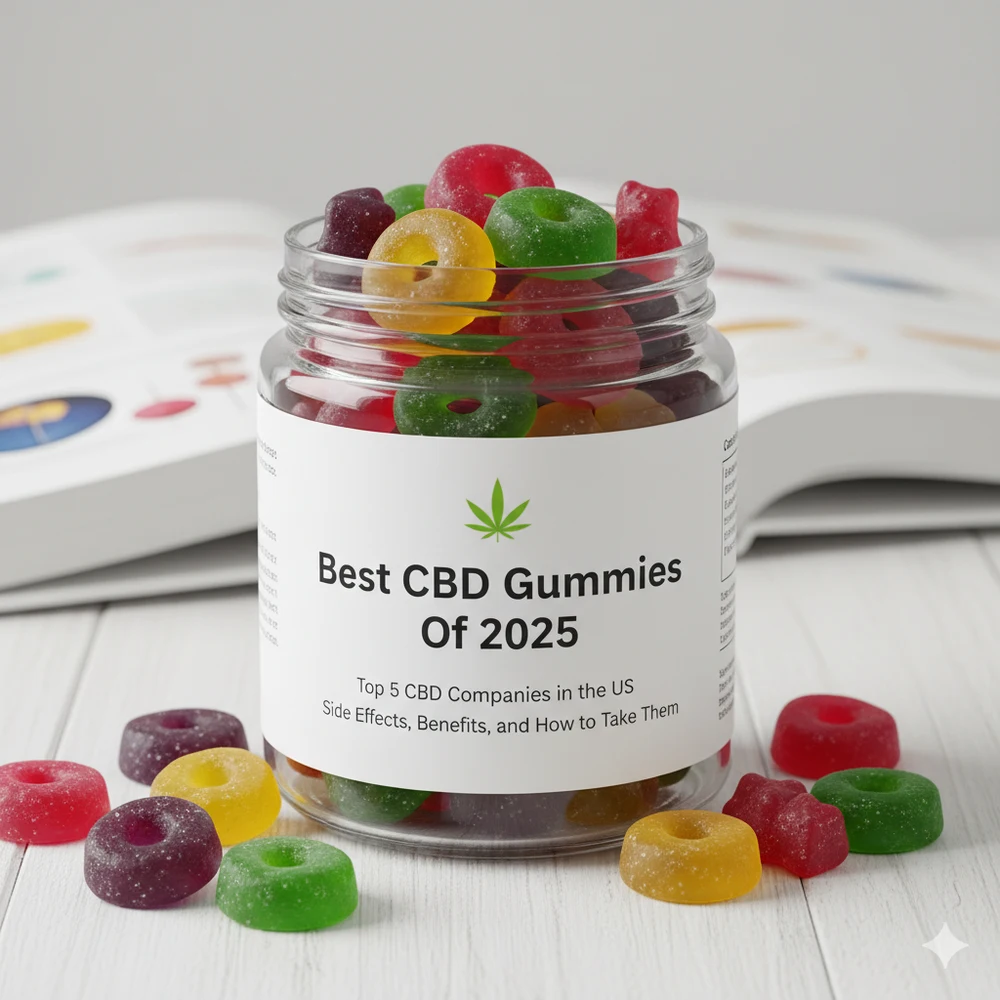
Deconstructing CBD Gummies
Defining Cannabidiol (CBD): A Primer
Cannabidiol (CBD) is a chemical compound found naturally in the cannabis plant.1 Unlike its more well-known counterpart, tetrahydrocannabinol (THC), CBD is non-intoxicating and does not produce a psychoactive “high”.2 The CBD used in commercial products is primarily extracted from hemp, a variety of cannabis that is legally defined by its low THC content, typically less than 0.3%.2
The effects of CBD on the human body are mediated through its interaction with the endocannabinoid system (ECS).2 This intricate network of receptors and neurotransmitters plays a crucial role in regulating a variety of physiological functions, including pain sensation, mood, appetite, and inflammation. By acting on the ECS, CBD is believed to help the body maintain a state of balance, or homeostasis.5
From Hemp Plant to Chewable Treat: The Manufacturing Journey
The creation of a CBD gummy begins with the extraction of high-quality CBD oil from hemp plants.7 Common industry methods for this process include solvent extraction and carbon dioxide (
CO2) extraction. Once the concentrated CBD oil is obtained, it is meticulously combined with other ingredients that form the familiar gummy candy. These ingredients typically include a thickener, such as gelatin (derived from animal byproducts) or fruit pectin (a plant-based alternative), along with sweeteners, flavors, and colors.7 The mixture is then heated, poured into molds, and cooled to solidify into its final, chewable form.7
Understanding the Types of CBD
The type of CBD extract used is a primary determinant of a product’s potential effects and is a critical factor for consumer consideration. The three main types are:
- Full-Spectrum: This extract contains all the naturally occurring compounds of the hemp plant, including a full profile of cannabinoids, terpenes, and flavonoids.4 Importantly, this includes trace amounts of THC, which must remain below the legal limit of 0.3% in the United States.10 The presence of these multiple compounds is believed to produce a synergistic effect known as the “entourage effect,” which may enhance the therapeutic benefits of the CBD itself.11
- Broad-Spectrum: This form is similar to full-spectrum but has undergone an additional refinement process to remove all traces of THC.11 It is a popular option for individuals who wish to experience the potential synergistic effects of other cannabinoids without any THC exposure.11
- Isolate: As the name suggests, this is pure, crystalline CBD that has been isolated from all other plant compounds, including terpenes and other cannabinoids.12 Products made with CBD isolate lack the full range of health benefits that may be provided by the other compounds found in the hemp plant.11
A Comparative Analysis: Gummies vs. Other Forms
The growing popularity of CBD gummies is driven by several key factors related to convenience and user experience. Gummies offer a discreet and easy way to ingest a pre-dosed serving of CBD, and their pleasant, fruity flavors can effectively mask the earthy taste of hemp extract that some users find unpalatable.3 However, these benefits must be weighed against their pharmacological limitations.
The primary difference between gummies and other delivery methods, such as oils or tinctures, lies in the process of absorption. Since gummies are an edible product, they are ingested and must be broken down by the digestive system, a process known as first-pass metabolism.9 This digestive pathway leads to significantly lower bioavailability, with estimates ranging from 6% to 19%.9 This stands in contrast to sublingual oils, which are absorbed directly into the bloodstream through the mucous membranes under the tongue, bypassing the digestive system and achieving a higher bioavailability of up to 35%.14
The delayed onset time for gummies, typically 30 to 60 minutes, is also a direct consequence of this metabolic pathway.13 This is a slower process compared to the faster absorption of sublingual oils. While a consumer might choose a gummy for its ease of use, they must be aware that the desired effects may take longer to manifest and may require a higher dose to achieve the same result as a more bioavailable product. The fact that gummies remain the most preferred form of CBD, favored by 58% of consumers according to a 2024 survey, despite their lower bioavailability, suggests that the market is currently driven by factors of convenience and user experience rather than pharmacological efficiency.9 This disconnect between consumer preference and scientific delivery methods underscores the need for greater public education on the trade-offs between different CBD product forms.
CBD Product Forms: Bioavailability, Onset, and User Profile
| Product Form | Bioavailability (%) | Onset Time | Duration | Target User | Pros/Cons |
| Gummy | 6%-19% | 30-60 minutes | Long | Convenience-focused, beginners | Pre-dosed, discreet, tastes good (Pros); Lower bioavailability, slow onset (Cons) |
| Capsule | 6%-19% | 30-60 minutes | Long | Simplicity-focused, daily regimens | Precise dosing, no taste (Pros); Lower bioavailability, slow onset (Cons) |
| Oil/Tincture | Up to 35% (sublingual) | 15-30 minutes | Moderate | Efficacy-focused, experienced users | High bioavailability, faster onset (Pros); Earthy taste, less discreet (Cons) |
| Topical | Varies | Localized | N/A | Targeted relief | Direct application, non-systemic (Pros); Not for systemic use (Cons) |
A Clinical Review: Efficacy, Benefits, and Scientific Consensus
The Evolving Landscape of CBD Research
The body of scientific research on CBD is in its nascent stages, with many studies presenting preliminary or low-quality evidence.1 Despite this, a significant amount of research has found CBD to be a relatively safe treatment, even at high doses.16 The one area where CBD has received definitive scientific validation is in the treatment of specific seizure disorders. The Food and Drug Administration (FDA) has approved Epidiolex, a prescription-grade pure CBD oil, for the treatment of certain rare and severe forms of epilepsy.3 This approval serves as a benchmark for the level of evidence required for a medical application, a standard that other CBD products have yet to meet. It is also important to consider the potential for a placebo effect, whereby a person may feel better simply by the act of taking a supplement, regardless of its pharmacological content.3
Analyzing Specific Health Claims with an Evidence-Based Lens
The claims made by CBD gummy manufacturers regarding health benefits often extend beyond the current scientific consensus. This disparity between confident marketing and cautious research is a key challenge in the industry. The market has advanced much faster than the science, creating a vacuum filled with anecdotal testimonials and unsubstantiated promises. A deeper understanding of the available evidence is necessary to distinguish between what is plausible and what is mere marketing.
- Anxiety and Mental Health: Early research suggests that CBD may have anxiolytic properties. A 2015 review found strong evidence that CBD may help treat a range of anxiety disorders, including social anxiety and PTSD.17 A small clinical trial in 2022 also found that participants who were administered high levels of CBD reported less anxiety and an improved mood.17 However, some studies have shown mixed results, with one finding that CBD made people with mild anxiety more anxious.17 The overall consensus is that while the findings are promising, more research is required to draw firm conclusions and establish effective dosing for these conditions.6
- Chronic Pain and Inflammation: Evidence from both preclinical and clinical trials suggests that CBD may have analgesic and anti-inflammatory properties.6 By interacting with the body’s endocannabinoid system, CBD may help reduce pain sensation and the body’s reaction to injury or inflammation.5 Studies have explored its potential in managing chronic non-cancer pain, including conditions like fibromyalgia and multiple sclerosis.5 While some trials have shown a significant reduction in pain measures for a subset of users, the overall quality of evidence is not yet considered high, and more robust studies are needed.5
- Sleep Quality and Insomnia: Many people use CBD for sleep, with studies suggesting it may improve sleep duration, quality, and decrease the time it takes to fall asleep.5 This effect is particularly noted when sleep issues are linked to anxiety or stress.5 However, some studies on healthy individuals have yielded no clear results, indicating that the efficacy of CBD for sleep may vary significantly based on the underlying cause of the sleep disturbance.17
Safety and Responsible Consumption: A Medical Perspective
Potential Side Effects and Adverse Reactions
While the World Health Organization generally considers pure CBD to be safe and unlikely to be abused, some individuals may experience adverse effects.17 The most common side effects reported from CBD use include dry mouth, drowsiness or fatigue, decreased appetite, and diarrhea.1
More serious, though rare, concerns have also been identified. Some research suggests the potential for liver injury, particularly at high doses or with long-term use.1 This risk is heightened for those with pre-existing liver problems, and regular blood tests may be necessary to monitor liver enzyme levels.20
Risk Factors and Contraindications
A primary consideration for anyone contemplating CBD use is its potential for interaction with other medications. CBD is metabolized by the same enzyme pathway, cytochrome P450 (CYP450), as many prescription and over-the-counter drugs.17 The use of CBD can inhibit the activity of these enzymes, potentially altering the efficacy or increasing the concentration of other medications in the body. This is a significant concern for drugs like blood thinners, certain antidepressants, and anti-seizure medications.5
Furthermore, CBD use is not recommended for certain vulnerable populations due to a lack of sufficient research and potential risks. Experts advise against the use of CBD for pregnant or breastfeeding individuals, as the compound can pass into the placenta and breast milk, and its effects on infants are not yet fully understood.20 Similarly, CBD is not recommended for children unless it is prescribed and monitored by a healthcare professional.20 For these reasons, consultation with a healthcare provider is paramount before beginning any CBD regimen, especially for those with existing health conditions or who are taking other medications.5
Dosage: A Guide for Beginners
Given the lack of FDA regulation and the wide variability of products on the market, there are no official dosage guidelines for CBD.16 However, a consensus has emerged among experts on a core principle: “start low and go slow”.13 This approach allows an individual to gauge their body’s unique response to the compound and gradually find their optimal dose.
The ideal CBD dosage is highly personal and depends on several factors, including body weight, individual body chemistry, and the severity of the condition being addressed.14 A general rule of thumb for beginners is to start with a dose of 1 to 6 mg of CBD for every 10 pounds of body weight per day.14 For a person weighing 150 pounds, this would translate to a starting dose of 15 mg of CBD per day, which can be found in a single 10 mg gummy or two 10 mg gummies.22
For a beginner, the process should be methodical:
- Read the Label: The first step is to read the product label to determine the exact amount of CBD per gummy.22
- Start with a Low Dose: Begin with one or two gummies, totaling 10-20 mg of CBD per day, and maintain this dose for a full two weeks to assess the effects.14
- Journal the Experience: It is beneficial to keep a journal to track the dosage, time of consumption, the onset period, and the lasting effects. This meticulous record-keeping can transform the process of finding the right dose from guesswork into a calculated science.22
- Gradually Increase: If the initial dose does not produce the desired effects after two weeks, the daily dosage can be slowly increased by 5 mg increments until the “sweet spot” is found.16 To maximize the absorption of CBD gummies, it is advisable to take them after a meal rich in healthy fats, such as avocados or nuts, to improve bioavailability.14
The 2025 Market Landscape: Top Products and Companies
Vetting for Excellence: The Consumer’s Due Diligence Checklist
The CBD market’s unregulated status, confirmed by the FDA’s conclusion that it cannot regulate CBD under current food and supplement frameworks, necessitates that consumers act as their own regulators.21 This regulatory vacuum has given rise to a critical industry standard: third-party testing. Without a government-mandated safety standard, the Certificate of Analysis (COA) provided by an independent lab has become the primary signal of product quality and transparency. A COA verifies that a product contains the amount of CBD and THC stated on the label and has been tested for contaminants such as heavy metals, pesticides, and molds.9 Brands that provide easy access to a product’s COA are demonstrating a commitment to self-regulation that is essential for building consumer trust.18
In addition to third-party testing, other key criteria for vetting CBD products include:
- Sourcing: Products made from hemp grown in the United States are generally preferred due to domestic regulations that limit THC content to below 0.3%.11 Some top brands are certified organic by the U.S. Department of Agriculture (USDA).4
- Ingredients: Products that use organic, non-GMO ingredients, natural flavors, and real sugar are considered higher quality. Consumers should be mindful of unwanted additives, artificial ingredients, or high fructose corn syrup.9
- Company Reputation: The business practices and marketing claims of a company should be evaluated. Companies that make exaggerated promises or cannot verify their product’s source should be avoided.4
Analysis of Top-Rated CBD Gummies of 2025
The following CBD gummy products have been identified as top choices for 2025, based on a review of their quality, potency, and consumer feedback.
Top CBD Gummy Products of 2025: A Comparative Analysis
| Brand | CBD Type | Potency (mg/gummy) | Price per mg | Reviewer Rating | Key Selling Point |
| Cornbread Hemp | Full-Spectrum | 25, 50, 100 | $0.03-$0.05 | 4.6 (7.3k+ reviews) | USDA organic, “Flower-Only” sourcing, excellent taste 4 |
| CBDfx | Broad-Spectrum | 25, 50, 100 | $0.02-$0.04 | 4.3 (Healthline score) | High-dose options, vegan and organic ingredients 11 |
| Medterra | Full-Spectrum | 25 | $0.06-$0.08 | 4.4 (803+ reviews) | Most affordable option 11 |
| FOCL | Full-Spectrum | 25, 50 | $0.04-$0.07 | N/A | Fast-acting formulation for daily calm 11 |
| NuLeaf Naturals | Full-Spectrum | 30 | $0.03-$0.05 | N/A | Quiets racing thoughts 11 |
Top CBD Companies in the U.S. Market
The following companies represent a cross-section of the market, each with a unique approach to product development and consumer engagement.
Leading CBD Companies: A Profile-Based Comparison
| Brand | Foundational Story/Mission | Product Line | Organic Status | Key Differentiator |
| Joy Organics | Founded by Joy Smith to provide high-quality, organic products after finding success with CBD for her own health. | Oils, softgels, gummies, topicals, bath products, pet products. | Yes, limited collection.24 | Focus on environmental values and a luxury brand positioning.24 |
| Cornbread Hemp | Founded by cousins Eric Zipperle and Jim Higdon, rooted in Kentucky hemp tradition. Jim is the author of The Cornbread Mafia. | Oils, capsules, gummies, balms, pet products. | Yes.4 | USDA organic and “Flower-Only” sourcing.4 |
| Medterra | Founded in 2017 by Jay Hartenbach and J.P. Larsen with the mission of providing affordable, quality products. | Capsules, gummies, oils, topicals, pet products. | No.24 | Focus on affordability, “seed-to-sale” transparency, and research partnerships.23 |
| CBDfx | A brand focused on providing a wide range of CBD products for beginners. | Gummies, oils, topicals, bath bombs, pet products. | Uses organic hemp but isn’t certified organic.24 | Wide product range, often tailored to specific needs (e.g., sleep).11 |
| Lazarus Naturals | Known for its commitment to affordability and financial assistance programs for veterans and low-income individuals. | Tinctures, softgels, capsules, edibles, topicals, concentrates, pet products. | No.24 | Excellent value and affordability, with a social mission.24 |
The Legal and Regulatory Environment
A Complex Tapestry: Federal and State Law
The legality of cannabis and its derivatives in the United States remains a complex patchwork of federal and state laws. At the federal level, cannabis is still classified as a Schedule I controlled substance under the Controlled Substances Act, a category reserved for drugs with a high potential for abuse and no accepted medical use.10 Despite this classification, a majority of states (40 states and four territories) have legalized cannabis for medical use, and a growing number (24 states and three territories) have also legalized it for adult recreational use.10
The FDA’s Official Stance
The FDA’s position on CBD has been a major point of friction in the industry. The agency has concluded that a new regulatory pathway is needed for CBD products and that the existing frameworks for foods and dietary supplements are not appropriate for them.21 The FDA cites several safety concerns as its rationale, including the potential for liver harm, adverse drug interactions, and risks to vulnerable populations such as children and pregnant women.21 The FDA has consistently issued warning letters to companies that make unsubstantiated health claims about their CBD products.28
The 2024-2025 Cannabis Rescheduling Proposal: A Game Changer?
In a potentially transformative development, the U.S. Department of Justice (DOJ) proposed in May 2024 to transfer marijuana from Schedule I to Schedule III of the Controlled Substances Act.10 This proposal followed a recommendation from the Department of Health and Human Services, which concluded that cannabis has accepted medical use and a lower potential for abuse than other Schedule I substances.27
A move to Schedule III would have significant implications. First, it would enhance opportunities for scientific research by removing the restrictive barriers associated with Schedule I drugs, potentially leading to more comprehensive studies and FDA approvals for new cannabis-based treatments.26 Second, it would provide substantial economic relief for cannabis businesses by allowing them to deduct standard business expenses, a benefit previously prohibited under Section 280E.29 This could lead to improved access to financial services and greater investment in the industry.
However, this rescheduling proposal does not resolve the fundamental federal-state conflict; rather, it changes its nature. While it would legitimize the medical use of cannabis at the federal level, it would not legalize recreational use. The new federal framework would subject cannabis to strict FDA oversight, which could create a new layer of regulatory friction with the current state-based markets. The diverse, and often less-regulated, products available in state dispensaries may not meet the new federal standards, shifting the conflict from one of outright illegality to one of regulatory jurisdiction and market standards.26
Concluding Insights and Expert Recommendations
The market for CBD gummies in 2025 is characterized by a dynamic tension between consumer demand, scientific evidence, and an evolving regulatory framework. While the convenience and pleasant taste of gummies have made them a consumer favorite, this preference often comes at the expense of bioavailability, a fact that is currently outweighed by user experience.
Clinical research on CBD is promising for conditions such as pain, anxiety, and sleep, but definitive, high-quality evidence remains limited. Consumers must manage their expectations and distinguish between the confident claims of marketing campaigns and the cautious conclusions of scientific studies.
Given the absence of a federal regulatory standard, the onus is on the consumer to vet products rigorously. The presence of a Certificate of Analysis (COA) from an independent third-party lab has emerged as the most critical indicator of a brand’s transparency and quality.
For consumers, a measured and informed approach is essential.
- Consult a Healthcare Professional: Individuals should always consult with a doctor before starting a new CBD regimen, especially if they are taking other medications or have a pre-existing health condition.
- Prioritize Transparency: The most reputable brands are those that provide easy access to a product’s COA, demonstrating that they are taking responsibility for quality in a self-regulated market.
- Understand the Trade-Offs: The choice of product form should be an informed one, weighing the convenience of gummies against the higher bioavailability and faster onset of other products like oils.
- Manage Expectations: Users should approach CBD with an understanding that while anecdotal reports of its benefits are widespread, the scientific evidence for many applications is still accumulating. The “start low, go slow” principle should be the guiding rule for personal dosage.
CBD gummies are edible candies that contain cannabidiol (CBD), a non-psychoactive compound derived from the hemp plant. They are a popular and discreet way to consume CBD, offering a pre-measured dose in a convenient and palatable form. Unlike THC, CBD will not cause a “high.”
CBD gummies work by delivering CBD into your system through the digestive tract. The CBD is absorbed into the bloodstream and interacts with the body’s endocannabinoid system (ECS). The ECS is a complex cell-signaling system that plays a role in regulating various bodily functions, including mood, sleep, pain, and appetite.
While more extensive research is needed, studies and anecdotal evidence suggest that CBD may offer several potential benefits. Users commonly report that CBD gummies may help with:
Anxiety and Stress: Promoting a sense of calm and relaxation.
Pain and Inflammation: Helping to reduce chronic pain and discomfort.
Sleep: Aiding in a more restful and uninterrupted night’s sleep.
CBD is generally considered safe and well-tolerated. However, some individuals may experience mild side effects, which can include:
Fatigue or drowsiness
Dry mouth
Changes in appetite
Diarrhea
It is always recommended to consult a healthcare professional before starting any new supplement, especially if you are taking other medications.
There is no official recommended dosage for CBD. The correct dose depends on several factors, including your body weight, metabolism, the concentration of the CBD product, and the condition you are looking to address. Most experts advise a “start low and go slow” approach. A common starting dose is 10-20 mg per day, with gradual increases until you find the effect you are looking for.
What are the top criteria for choosing the best CBD gummies?
When selecting a high-quality CBD gummy, look for the following criteria:
- Third-Party Lab Testing: The company should provide a Certificate of Analysis (COA) from an independent lab to verify the product’s CBD content and purity, confirming it is free of contaminants like heavy metals, pesticides, and molds.
- Hemp Source: The best products use CBD derived from organic, US-grown hemp.
- Ingredient Quality: Look for gummies made with natural ingredients, flavors, and sweeteners.
- Customer Reviews: Check for positive customer feedback and brand transparency.
Who are some of the top CBD companies in the US for 2025?
Based on our research and industry ratings, some of the top-rated CBD companies in the US for 2025 include:
- Cornbread Hemp: Known for its “Flower-Only™” full-spectrum CBD products and USDA organic certification.
- Medterra: A well-regarded company focused on high-quality, THC-free CBD isolate and broad-spectrum products at an accessible price point.
- Joy Organics: A family-founded brand with a strong focus on premium, organic CBD and third-party testing.
- Lazarus Naturals: Valued for its commitment to affordability and a robust assistance program for veterans and low-income individuals.
Works cited
- www.medicalnewstoday.com, accessed September 11, 2025, https://www.medicalnewstoday.com/articles/negative-side-effects-of-cbd-gummies#:~:text=CBD%20gummies%20contain%20cannabidiol%20(CBD,changes%20in%20mood%20or%20appetite.
- What Are CBD Gummies & Should I Take Them? – cbdMD, accessed September 11, 2025, https://www.cbdmd.com/blogs/posts/what-are-cbd-gummies
- What are CBD gummies? Are there any health benefits? – Drugs.com, accessed September 11, 2025, https://www.drugs.com/lifestyle/cbd-gummies-health-benefits-3515165/
- Frequently Asked Questions – Learn About CBD – Cornbread Hemp, accessed September 11, 2025, https://www.cornbreadhemp.com/pages/frequently-asked-questions
- CBD: Benefits, Types, & Side Effects – Goodpath, accessed September 11, 2025, https://www.goodpath.com/learn/cbd-benefits-types-side-effects
- 6 CBD Benefits and Uses (Plus Side Effects) – Healthline, accessed September 11, 2025, https://www.healthline.com/nutrition/cbd-oil-benefits
- www.cornbreadhemp.com, accessed September 11, 2025, https://www.cornbreadhemp.com/pages/how-are-cbd-gummies-made#:~:text=First%2C%20high%2Dquality%20CBD%20oil,are%20then%20cooled%20and%20solidified.
- What is the process of making CBD edibles? – Cornbread Hemp, accessed September 11, 2025, https://www.cornbreadhemp.com/pages/what-is-the-process-of-making-cbd-edibles
- CBD Gummies vs. CBD Capsules: What’s the Better Option? – CBD.market, accessed September 11, 2025, https://cbd.market/cbdblog/cbd-gummies-vs-cbd-capsules-whats-the-better-option
- Legality of cannabis by U.S. jurisdiction – Wikipedia, accessed September 11, 2025, https://en.wikipedia.org/wiki/Legality_of_cannabis_by_U.S._jurisdiction
- We Tested the Best CBD Gummies of 2025 – Healthline, accessed September 11, 2025, https://www.healthline.com/cbd/best-cbd-gummies
- 6 Best CBD Gummies of 2025 – Medical News Today, accessed September 11, 2025, https://www.medicalnewstoday.com/articles/best-cbd-gummies
- CBD Gummies vs. CBD Capsules | Which to Choose? – Neurogan CBD, accessed September 11, 2025, https://neurogan.com/blogs/news/cbd-gummies-vs-cbd-capsules
- CBD Gummies Dosage Guide – Cornbread Hemp, accessed September 11, 2025, https://www.cornbreadhemp.com/blogs/learn/cbd-gummies-dosage-guide
- www.medicalnewstoday.com, accessed September 11, 2025, https://www.medicalnewstoday.com/articles/negative-side-effects-of-cbd-gummies#:~:text=What%20do%20CBD%20gummies%20actually,lower%20anxiety%2C%20and%20reduce%20pain.
- CBD Dosage: How Much Should You Take? – Healthline, accessed September 11, 2025, https://www.healthline.com/health/cbd-dosage
- CBD (Cannabidiol) Health Benefits – WebMD, accessed September 11, 2025, https://www.webmd.com/diet/health-benefits-cbd
- Exploring the Benefits of Excellent Green Vibe CBD Gummies Amazon: A Comprehensive Achieve Review – St Catherine of Siena Catholic Parish, accessed September 11, 2025, https://scsmiami.org/gYAtpQbayufgU/exploring-58571-the-benefits-of-green-vibe-cbd-gummies-amazon-a-comprehensive-review/
- Cannabidiol (CBD): A Systematic Review of Clinical and Preclinical Evidence in the Treatment of Pain – MDPI, accessed September 11, 2025, https://www.mdpi.com/1424-8247/17/11/1438
- 11 Surprising CBD Oil Benefits and How to Use It Safely – Verywell Health, accessed September 11, 2025, https://www.verywellhealth.com/cbd-oil-benefits-uses-side-effects-4174562
- FDA Concludes that Existing Regulatory Frameworks for Foods and Supplements are Not Appropriate for Cannabidiol, Will Work with Congress on a New Way Forward, accessed September 11, 2025, https://www.fda.gov/news-events/press-announcements/fda-concludes-existing-regulatory-frameworks-foods-and-supplements-are-not-appropriate-cannabidiol
- How to Take CBD Gummies & How Many Gummies Should I Eat? – Sunday Scaries, accessed September 11, 2025, https://sundayscaries.com/blogs/all/how-many-cbd-gummies-should-i-eat
- Quality in Manufacturing CBD Products: Q&A with the CEO of Medterra, accessed September 11, 2025, https://cannabisindustryjournal.com/feature_article/quality-in-manufacturing-cbd-products-qa-with-the-ceo-of-medterra/
- 7 Best CBD Brands: Products, Reviews, and Comparisons, accessed September 11, 2025, https://www.medicalnewstoday.com/articles/top-cbd-brands
- Best CBD Private Label Manufacturers in the US [in 2025] – Essentia Pura, accessed September 11, 2025, https://essentiapura.com/best-cbd-private-label-manufacturers-in-the-us/
- Effects of the Federal Government’s Move to Reschedule Cannabis: A Commentary: Journal of Studies on Alcohol and Drugs: Vol 86, No 1, accessed September 11, 2025, https://www.jsad.com/doi/10.15288/jsad.24-00346
- State Medical Cannabis Laws, accessed September 11, 2025, https://www.ncsl.org/health/state-medical-cannabis-laws
- Warning Letters for Cannabis-Derived Products – FDA, accessed September 11, 2025, https://www.fda.gov/news-events/public-health-focus/warning-letters-cannabis-derived-products
- The Impact of Cannabis Rescheduling on Public Health and Policy – EZMedcard, accessed September 11, 2025, https://ezmedcard.com/the-impact-of-cannabis-rescheduling-on-public-health-and-policy/