If you’ve noticed that your grocery bill is climbing—especially at the meat counter—you’re not alone. But the pressure isn’t just on consumers. The entire U.S. beef supply chain is undergoing a seismic shift, and we are just seeing the tip of the iceberg.
This week, JBS USA, the global food giant and one of the largest meatpackers in the world, announced major operational shifts that include shutting down facilities and cutting thousands of jobs. Here’s a deep dive into what is happening, why the economics of beef are broken right now, and what it means for your wallet.
The Closures: What Happened?
On June 12, 2026, JBS USA confirmed the planned closure of two major facilities, accompanied by a third closure within its subsidiary:
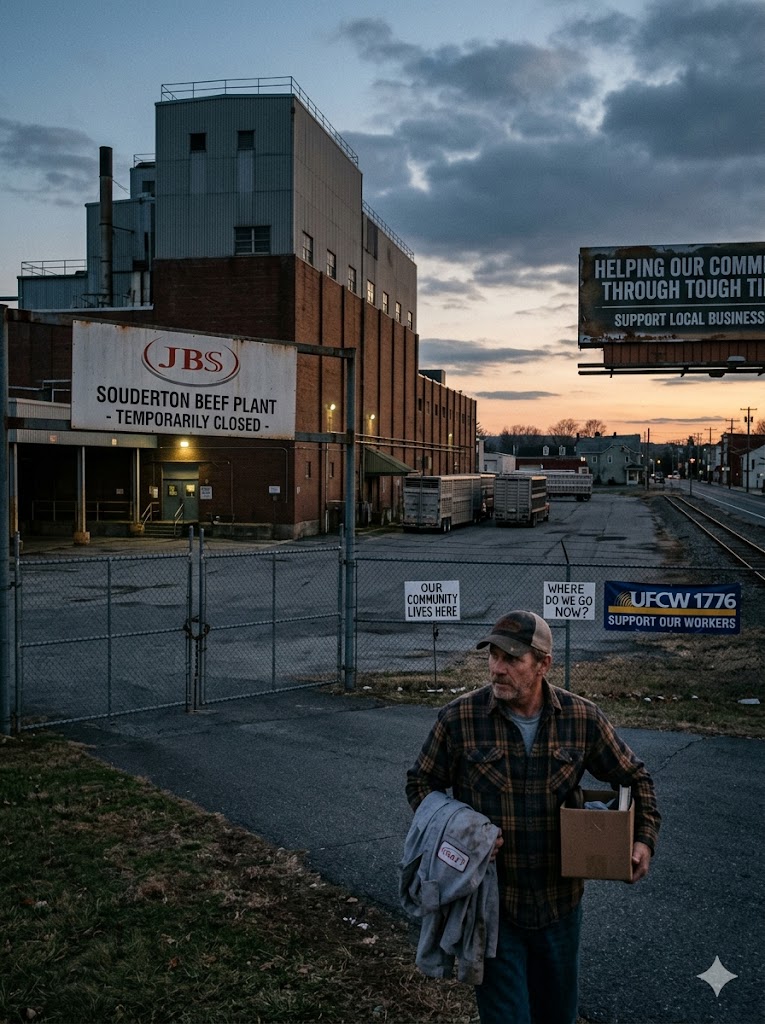
- Souderton, Pennsylvania: A massive beef production plant is shutting down by mid-August, laying off roughly 1,500 workers.
- Memphis, Tennessee: A value-added beef facility is closing, affecting around 200 employees.
- Chattanooga, Tennessee: Pilgrim’s Pride (majority-owned by JBS) is shutting down its local facility by late September, cutting over 300 jobs to consolidate operations elsewhere.
In total, over 2,000 workers are losing their jobs. While JBS is offering transition plans and opportunities to relocate, labor advocates—including the UFCW Local 1776 union—have emphasized that communities can ill afford to lose these “family-sustaining jobs” that kept the food supply chain moving during the pandemic.
The Economics: Why is JBS Shrinking its Beef Operations?
The simple answer is a severe U.S. cattle shortage.
Currently, the U.S. cattle herd has hit a 75-year low, heavily driven by years of historic droughts across cattle country that have stunted herd expansion. Because there are fewer cows, the cost of cattle at the farm level has skyrocketed—up nearly 18% year-over-year in April 2026.
Meatpackers are caught in the middle. They are buying expensive cattle but hitting a ceiling on how much they can raise wholesale beef prices before consumers stop buying. This dynamic has pushed packer margins deeply into the red. In Q1 2026 alone, JBS reported a $279 million adjusted operating loss for its North American beef operations. The industry simply has too much packing capacity for too few cows, forcing massive players to shutter older facilities to stop the bleeding.
The Ripple Effect: From Pasture to Plate
This isn’t just a corporate balance sheet problem; the ripple effects are impacting the entire agricultural landscape:
- Cattle Producers are Hurting: The Virginia Cattlemen’s Association called the Souderton closure a massive blow to East Coast producers, who already have limited options to process their livestock. Regional trade shifts are forcing cattle to be diverted to facilities much further away.
- The Shift to Chicken: As beef prices jump, cash-strapped consumers are trading down to poultry. JBS knows this. While they are shutting down beef plants, they are simultaneously investing $75 million into a Pilgrim’s Pride chicken facility in Georgia and heavily expanding prepared foods.
- Your Grocery Bill: The USDA expects beef and veal prices to rise over 12.1% in 2026, heavily outpacing overall grocery inflation. Meanwhile, poultry prices are expected to remain remarkably stable, rising just 0.5%. The market is forcing a dietary shift through sheer economics.
The Corporate Strategy: Trim the Fat, Invest in the Future
Make no mistake—JBS is not leaving the U.S. market. CEO Wesley Batista Filho framed these moves as necessary to ensure operations are “efficient, modern, and positioned to compete.”
The company has recently poured hundreds of millions into modernization and expansions in Texas, Georgia, and Iowa. By shutting down older, less efficient plants and pivoting heavily into poultry and value-added prepared foods, JBS is treating these closures as targeted adjustments to weather a brutal commodity cycle.
The Bottom Line
The U.S. beef industry is currently experiencing a painful recalibration. From the drought-stricken ranches of the West to the shuttered processing plants in Pennsylvania and the sticker shock at your local supermarket, the era of cheap beef is on pause.
Citation Report: This article was compiled using insights and reporting from authors Aparajita Chatterjee (TheStreet), Sarah Zimmerman (Food Dive), Leah Smith (FoodBev), and agricultural analysts featured on RFD-TV and AgWeb.

Leo Falsafi is a digital marketing veteran and senior journalist at Virlan.co, where he covers the intersection of digital marketing, gaming, and breaking US trending news. With nearly two decades of hands-on experience in SEO and digital strategy, Leo has consulted for and scaled hundreds of companies. His deep industry roots allow him to deliver sharp, fact-checked insights and analysis on the trends shaping today’s digital landscape.