
An Expert Analysis of Winning the Lottery: Strategies, Financial Management, and the Human Element
The Statistical Landscape of Lottery Play
The Mathematical Reality: A Study in Improbability
The pursuit of a lottery jackpot is, at its core, an engagement with the purest form of chance. While the dream of a life-altering windfall is a powerful motivator, a comprehensive understanding of the subject begins with a clear-eyed view of the statistical realities. The odds of securing a top prize in major lotteries are astronomical, a fact that stands in stark contrast to the human perception of possibility.
In the United States, the two most prominent multi-state lotteries offer jackpots with probabilities that are nearly incomprehensible. The odds of matching all six numbers to win the Powerball jackpot are one in 292.2 million. Similarly, the odds for winning the Mega Millions jackpot are one in 290,472,336. To place these figures in perspective, the probability of being struck by lightning is significantly greater than winning one of these top prizes.
Across the Atlantic, the UK National Lottery presents a different, yet still profoundly challenging, statistical landscape. The odds of winning the UK Lotto jackpot stand at one in 45 million. While this figure is substantially more favorable than its American counterparts, it represents a substantial decline in probability from its previous iteration, which had odds of one in 14 million before the number of balls was increased from 49 to 59 in 2015. The multi-national EuroMillions game has even longer odds, with a jackpot probability of one in 139 million. These figures underscore that, regardless of the jurisdiction, the lottery is a game of extreme improbability.
The profound difference between the objective, mathematical reality of lotteries and the subjective experience of playing them is a central theme in lottery psychology. The probabilities are fixed and independent of human action. For any given draw, every possible combination of numbers has an equal chance of being selected. Despite this immutable fact, individuals are psychologically predisposed to believe they can influence the outcome. This disconnect is fueled by an array of cognitive biases that make it difficult for the human mind to grasp the scale of the odds.
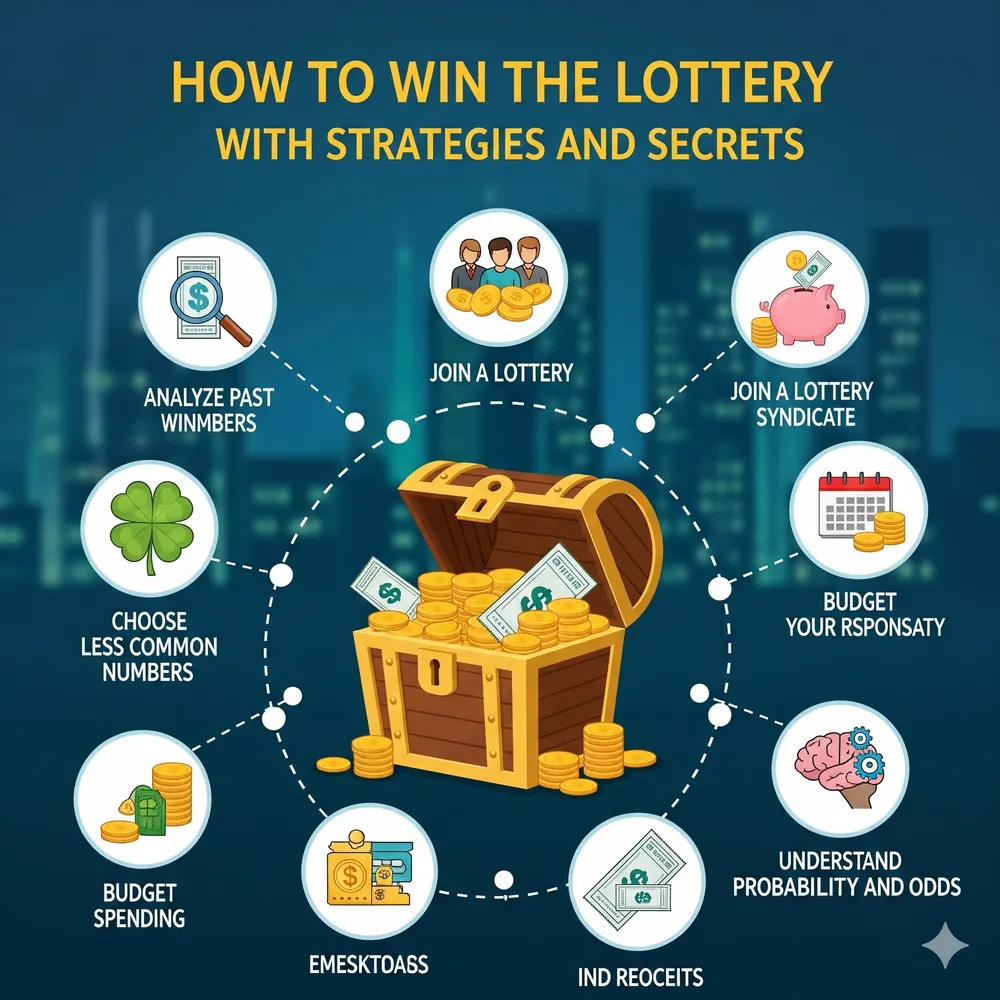
The availability bias, for example, causes people to overemphasize the widely publicized stories of winners while ignoring the millions of players who lose. This creates an illusion of control and a belief in the possibility of a win that is disproportionate to the actual chances involved. The following table provides a clear comparison of the key mechanics and odds for major lotteries in the US and UK.
| Lottery Game | Jurisdiction | Numbers & Range | Jackpot Odds | Ticket Price | Drawing Frequency |
|---|---|---|---|---|---|
| Powerball | United States | 5 from 1-69; 1 from 1-26 | 1 in 292.2 million | $2.00 | Mon, Wed, Sat |
| Mega Millions | United States | 5 from 1-70; 1 from 1-24 | 1 in 290.47 million | Varies | Tue, Fri |
| UK Lotto | United Kingdom | 6 from 1-59 | 1 in 45 million | £2.00 | Wed, Sat |
Debunking the Myths: A Data-Driven Analysis of Chance
The human tendency to seek patterns and apply strategies to random events has given rise to a number of persistent lottery myths. A data-driven analysis of lottery mechanics, however, reveals that these beliefs have no statistical foundation.
A common misconception is the belief in “hot” and “cold” numbers—that is, numbers that have appeared frequently in recent draws are more likely to be drawn again, while those that have not are “due” for a win. This is a classic example of the gambler’s fallacy, which incorrectly assumes that a series of random events are interconnected. In reality, each lottery drawing is a completely independent event. The numbers drawn in the last game have no bearing on the numbers that will be drawn in the next. The underlying probability of each number being selected remains constant. The data confirms that while some numbers may have been drawn more often than others historically, these deviations are a natural feature of a random system and do not indicate a pattern that can be exploited for future wins.
Similarly, the idea that certain number patterns are more or less likely to win is also fallacious. The combinations 1, 2, 3, 4, 5, 6 and a seemingly random sequence like 1, 15, 36, 48, 63 have the exact same probability of being drawn. Despite this mathematical equivalence, people are naturally biased against patterned sequences, as they do not appear “random” to the human eye. This is a manifestation of the representativeness heuristic, where an outcome is judged on how much it resembles a stereotype. In this case, the stereotype of a winning lottery sequence is a random-looking set of numbers.
Finally, the debate between choosing one’s own numbers versus opting for a computer-generated “Quick Pick” or “Lucky Dip” is a matter of personal preference, not statistical advantage. Both methods have the exact same odds of winning the jackpot, as they are both selecting from the same finite pool of combinations.
The preference for manual number selection stems from the psychological phenomenon of the “illusion of control,” which makes players feel they have a greater hand in their destiny by choosing numbers that hold personal significance, such as birthdays or anniversary dates. However, selecting these popular numbers can have a tangible financial consequence, as an increased number of players choosing the same winning numbers can lead to a split jackpot.
Also read: How to Bet Smarter: A UK Guide to Sports Betting Strategy & Money Management
The Strategic Approach: Increasing Your Odds (Responsibly)
While no strategy can increase the inherent probability of a specific number combination being drawn, certain methods can legitimately increase a player’s collective chance of winning a prize.
The Syndicate Model: A Legitimate Method to Enhance Winning Chances
A lottery syndicate, or lottery pool, represents the only statistically valid way to increase the chances of winning a lottery prize. The concept is simple: a group of individuals pools their money to purchase multiple tickets collectively. This increases the total number of unique combinations entered into the draw, thereby enhancing the group’s overall probability of securing a prize. The costs of the tickets are shared, and any winnings are distributed proportionally among the members based on their contributions.
The efficacy of this approach is evidenced by the history of large lottery wins claimed by syndicates. For example, a Maryland-based syndicate known as the “Three Amigos” won a $218.6 million jackpot, while a New Jersey group called “Ocean’s 16” bagged $149 million. These instances demonstrate that the model can be highly effective in practice.
However, the syndicate model introduces a critical financial and social dynamic: a significant trade-off. While the group’s chances of winning increase, the individual’s payout is drastically reduced. The excitement of a jackpot win for the group is tempered by the reality that the prize must be divided, often resulting in a much smaller individual windfall than a player might initially dream of. For a player who fantasizes about winning a multi-million-dollar jackpot, this dilution of the prize is a fundamental change to the financial outcome.
This single point of friction—the division of a prize—is precisely why a formal, written agreement is a prerequisite for any lottery syndicate. The agreement should clearly define rules for collecting money, purchasing tickets, and distributing winnings to prevent disputes and legal battles. This administrative necessity highlights that the benefit of increased odds comes with the responsibility of managing a collective endeavor.
A Player’s Toolkit: Maximizing Your Payout (Not Your Odds)
While a player cannot improve their odds of winning a specific combination, they can take measures to increase their potential payout in the event of an improbable win.
The simplest strategy is to avoid the most common number selections. Many people choose numbers that are personally significant, such as birth dates or anniversaries, which fall within the 1-31 range. Others select simple patterns or consecutive numbers. By choosing numbers that are less popular or by using a computer-generated selection, a winner can reduce the probability of having to split the jackpot with other players. A mixed bag of low and high, even and odd numbers that do not form a recognizable pattern is more likely to be a unique ticket, thereby preserving the full jackpot prize for the single winner.
Another option is to leverage game-specific features like multipliers. For an extra dollar per play in Powerball, the Power Play option can multiply non-jackpot winnings by two to five times, and up to ten times for jackpots below $150 million. Similarly, Mega Millions features a multiplier where a randomly assigned multiplier of 2x, 3x, 4x, 5x, or 10x is now a built-in feature of the ticket purchase in some jurisdictions, multiplying all non-jackpot prizes. The second prize of one million dollars, for instance, can be multiplied up to ten million dollars with this feature. These options do not change the odds of winning, but they can significantly increase the value of a non-jackpot prize, providing a tangible benefit for a small additional cost.
Also read: Global Poker: A Deep Dive into Poker Variants, Popularity & Top Destinations
The Aftermath of a Win: Claiming and Securing the Prize
The moment a winning ticket is identified, the lottery is no longer a game of chance but a complex legal and financial transaction. The first few days following a win are the most critical for a new winner.
The First 72 Hours: A Protocol for New Winners
Upon discovering a winning ticket, the immediate priority is to secure the physical ticket itself. The first and most important step is to sign the back of the ticket, as it is a bearer instrument. A ticket that is lost, stolen, or damaged without a signature is extremely difficult to claim. After signing, the winner should make several copies of the front and back of the ticket and then store the original in a secure location, such as a safe deposit box or a home safe.
A crucial second step is to immediately contact a qualified professional team. This should include an attorney, a financial advisor, and a tax expert. These professionals will help the winner navigate the complexities of claiming the prize, managing the tax burden, and developing a long-term financial plan. This step is critical because the choices made in the first few days can have a profound impact on the winner’s financial future.
The process for claiming a prize varies significantly between the US and the UK. In the US, prizes of different amounts must be claimed in different ways: small prizes at a retail location, and larger prizes at a claim center or by mail. Many states require an appointment for high-tier claims, which can take weeks to process. It is also important to note that in some states, like Illinois, there is a strict 60-day window to opt for a lump sum payment; if the prize is claimed after this period, the annuity option is the only choice. In the UK, the method of claiming depends on how the ticket was purchased. Online winnings may be deposited directly into an account, while a paper ticket from a retailer must be presented in person at a shop or post office, or mailed for larger sums. All prizes in the UK must be claimed within 180 days of the draw.
The Anonymity Question: Privacy vs. Publicity
The choice of whether to remain anonymous after a win is a fundamental decision with significant personal and legal ramifications. The framework for this choice differs dramatically between the US and the UK.
In the UK, lottery winners can remain anonymous by default. This provides a vital layer of security and privacy, protecting them from the unwanted attention and harassment that can come with a sudden influx of public wealth. Winners have the choice to go public if they wish, but their privacy is the default position.
In the US, the rules for anonymity are not uniform; they are determined by the specific state where the winning ticket was purchased. Some states, such as Delaware, Texas, and Ohio, are considered anonymous lottery states, either by default or with certain restrictions. Others, like California and New York, require winners to disclose their identity as a matter of public record.
For winners in states that require public disclosure, a powerful legal mechanism exists to protect their identity: the blind trust. With the assistance of an experienced attorney, a winner can establish a blind trust to claim the prize. This means that the prize is claimed in the name of the trust, and the public does not know who created it or who the beneficiary is.
The attorney can manage all financial matters on behalf of the trust, further shielding the winner from the public eye. The use of a trust is a direct response to the significant security and privacy risks associated with a public reveal, which can attract a host of unsolicited requests for money, scams, and personal harassment. The location of the ticket purchase, not the winner’s residence, dictates the rules, underscoring the importance of understanding the specific laws of the state where the ticket was bought.
Also read: UK Online Casinos: Payments & Social Gaming
The Financial and Legal Framework: A Comparative Guide (US vs. UK)
A lottery win is not a gift but a significant financial asset that requires careful management. The tax and legal frameworks for handling this wealth are vastly different in the US and the UK, presenting unique challenges and opportunities.
The American Winner: Tax Liabilities and Payment Options
In the United States, lottery winnings are treated as taxable income by the federal government and, in most cases, by state governments as well. The federal government automatically withholds 24% of large prizes, but the winner may owe more depending on their total income, which can place them in the highest federal tax bracket of up to 37%. State tax laws vary widely, with some states, like California, Florida, and Texas, not taxing lottery winnings at all, while others can take a bite of up to 8% or more.
A central financial decision for an American winner is the choice between a lump sum and an annuity payment.
- Lump Sum: The winner receives the full cash value of the jackpot in a single payment. This provides immediate access to all the funds, but it also triggers an immediate, substantial tax bill. A winner taking a lump sum is pushed into the highest income tax brackets, potentially losing a huge portion of their prize to taxes at the outset.
- Annuity: The prize is paid out in annual installments, typically over 30 years. This approach spreads the tax liability over time, which can result in a lower annual tax burden and potentially save millions in taxes over the life of the payments. It also provides a steady stream of income and acts as a built-in protection against the winner overspending their entire fortune at once.
This choice is a critical moment for tax planning and financial strategy. The location of the tax burden in the US is on the acquisition of the prize, forcing a winner to make a fundamental decision about how to receive and manage the initial tax shock.
| Financial Decision | Description | Primary Tax Implication | Key Advantages | Key Disadvantages |
|---|---|---|---|---|
| Lump Sum | A single, immediate payment of the prize’s cash value. | Triggers a large, immediate tax bill; can push the winner into the highest tax bracket (up to 37% federal). | Immediate access to full capital for investment or large purchases. | Significant tax liability upfront; risk of overspending or poor financial management. |
| Annuity | Payments spread over a period, typically 30 years. | Spreads tax liability over time, potentially lowering the annual tax burden. | Provides a steady, protected income stream; acts as a safeguard against squandering the entire prize. | Does not provide immediate access to all funds; future tax laws could change. |
| Blind Trust | A legal entity that claims the prize in its name. | The trust is a taxable entity; income is taxed before distribution to the beneficiary. | Protects the winner’s identity and privacy; offers control over assets without public knowledge. | Requires legal fees to establish; may complicate financial management and tax planning. |
The British Winner: Tax-Free Winnings, Taxable Assets
The financial landscape for a UK lottery winner is fundamentally different due to the country’s tax laws. The most significant rule is that lottery winnings in the UK are entirely tax-free. This applies regardless of the prize amount or whether the win came from the National Lottery, EuroMillions, or a scratch card.
However, this tax-free status does not extend to the money after it is won. The location of the tax burden in the UK is on the stewardship of the prize, not its acquisition. Any interest or income earned from the winnings through savings or investments is subject to Income Tax. For example, if a winner uses their prize money to buy property and rent it out, the rental income is taxable.
Furthermore, the act of sharing the wealth can trigger two other tax liabilities:
- Inheritance Tax (IHT): Once the winnings are in the winner’s name, they become part of their estate. This means that upon their death, anyone who inherits the winnings (with the exception of a spouse or civil partner) will be liable to pay Inheritance Tax at a rate of 40% on any amount over the £325,000 allowance for individuals or £650,000 for couples.
- Gift Tax: If a winner chooses to give money away, and the gift exceeds the annual tax-free allowance of £3,000 per person, the recipient may have to pay Inheritance Tax if the winner dies within seven years of making the gift. The amount of tax due on the gift is calculated on a standardized sliding scale that decreases the longer the winner lives after the gift is made.
This nuanced tax framework places a premium on long-term financial planning. While the initial prize is free from taxation, a winner must immediately engage a wealth management adviser to create a plan that addresses future tax liabilities, manages investments in a tax-efficient manner, and handles wealth distribution to family and friends.
| Tax Type | United States (US) | United Kingdom (UK) |
|---|---|---|
| Winnings (Prize) | Winnings are treated as taxable income. Subject to federal tax (up to 37%) and potential state taxes (0-8%+). | Winnings are tax-free. They are categorized as gambling gains, not income or capital gains. |
| Earnings (from Winnings) | Earnings from investments are subject to applicable federal and state income and capital gains taxes. | Interest or income earned from saving or investing the prize is subject to Income Tax. |
| Inheritance | Subject to federal estate taxes (up to 40%) and potential state estate or inheritance taxes, depending on the state. | Subject to Inheritance Tax (IHT) at a rate of 40% for amounts over the £325,000 allowance (£650,000 for couples). |
| Gifts | Subject to federal gift tax for amounts over the annual exemption, and potential state gift taxes. | Tax-free up to an annual limit of £3,000 per person. Larger gifts may be subject to a sliding scale IHT if the giver dies within seven years. |
The Human Element: Psychology, Behavior, and the Lottery
The lottery is not just a game of numbers; it is a profound study of human psychology, hope, and financial behavior. Understanding the cognitive and emotional drivers behind lottery play provides a more complete picture of the phenomenon.
Why We Play: The Cognitive Biases That Drive Us
Despite the minuscule odds, millions of people worldwide continue to play the lottery. The reasons for this behavior are rooted in a series of deeply ingrained cognitive biases:
- Unrealistic Optimism and the “Availability Heuristic”: The human mind is not equipped to comprehend the scale of astronomical numbers. It is easy to visualize a few dozen paperclips, but impossible to imagine 292 million. As a result, people disregard the overwhelming odds and focus on the one outcome that is a win. This unrealistic optimism is amplified by the availability heuristic, where media stories about lottery winners are so prevalent that they make a win seem more likely than it is.
- The Illusion of Control: The act of picking numbers, regardless of whether it’s a birthday, an anniversary, or a random-looking sequence, gives players a false sense of control over a purely random event. This provides a feeling of agency and hope that is more emotionally satisfying than a simple Quick Pick, even though the statistical outcome is identical.
- The Social Trap: The low cost of a single lottery ticket makes the behavior easy to justify. It is a small, low-risk form of entertainment that offers a momentary escape into a world of possibilities. The money spent can be rationalized as a contribution to good causes, which further mitigates the feeling of loss when the ticket is a dud. The lottery is also a shared social experience, fostering a sense of community among colleagues or friends who pool their tickets.
The Winner’s Journey: Dispelling Stereotypes and Fostering Responsibility
The popular media often perpetuates a myth that lottery winners are doomed to misfortune, spiraling into financial ruin and personal tragedy. While some winners do face significant challenges, a study of 576 lottery winners found that these stereotypes are largely inaccurate.
The study revealed that winners came from diverse socioeconomic backgrounds and did not engage in lavish spending sprees. Contrary to the stereotype, many continued to work, especially those who had psychologically or financially rewarding jobs before their win. The most common expenditures were for houses, automobiles, and trips, and many winners gave large amounts of their money to their children and churches. This evidence challenges the notion that sudden wealth is a curse and suggests that the outcome is more a function of an individual’s financial literacy and pre-existing life circumstances.
While not all winners are destined for misfortune, the importance of professional financial guidance is undeniable. The reports of winners going broke within a few years are often linked to a lack of sound financial management.
A lottery win is not a finish line but a starting point for a new financial reality that requires discipline, expert advice, and a long-term plan. For this reason, the most valuable “winning strategy” is not about picking the right numbers but about making the right decisions after the numbers are drawn. The lottery is a powerful form of entertainment and a low-cost entry to a dream, but it should be viewed as a leisure activity, not a viable path to financial security.
Also read: Best Sports Betting Apps: An Expert Guide for US Bettors
Leo Falsafi is a digital marketing veteran and senior journalist at Virlan.co, where he covers the intersection of digital marketing, gaming, and breaking US trending news. With nearly two decades of hands-on experience in SEO and digital strategy, Leo has consulted for and scaled hundreds of companies. His deep industry roots allow him to deliver sharp, fact-checked insights and analysis on the trends shaping today's digital landscape.