
In recent years, India has experienced a digital transformation that’s reshaping how the younger generation engages with sports and entertainment. Among the most striking developments is the rapid rise of esports and virtual cricket, two domains that combine the excitement of competition with the accessibility of digital platforms.
As millions of Indian youth spend more time online—whether on smartphones, consoles, or PCs—competitive gaming and cricket-based digital experiences are becoming mainstream. From fast-paced mobile games to fantasy leagues and virtual simulations of real cricket matches, this new era of sports is not only changing how fans engage with the game but also how future athletes, streamers, and creators are building careers around it. For those interested in the betting side of this growing ecosystem, we’ve found a user-friendly online bookmaker for esports betting, which is also rapidly gaining attention among Indian fans.
The Rise of Esports Culture in India
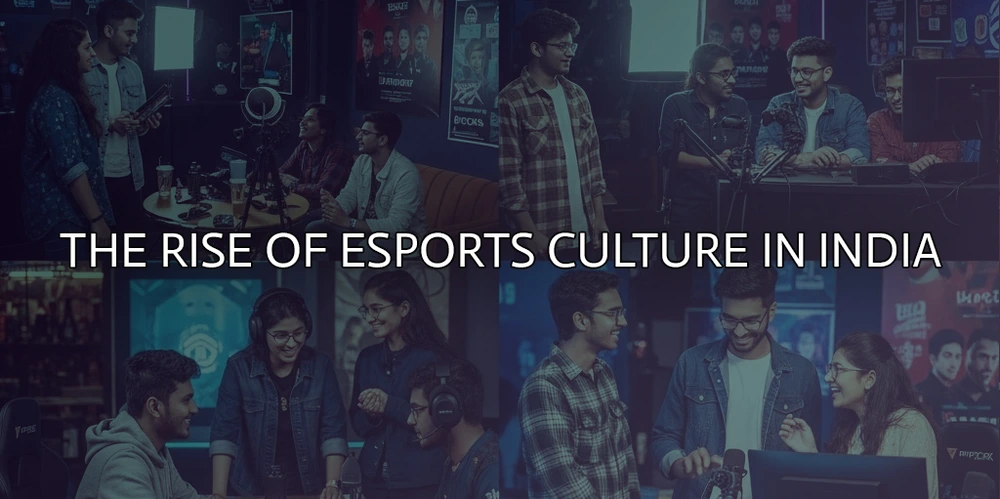
The esports revolution in India is more than just a digital hobby—it’s a rapidly growing subculture that’s redefining how young Indians compete, socialize, and even earn a living. What began with casual gaming in internet cafes and on mobile phones has now evolved into a full-fledged industry, complete with professional teams, massive tournaments, sponsorship deals, and streaming stars.
Key Drivers of Growth:
- Affordable Technology and Internet Access: The widespread availability of budget smartphones and low-cost internet data (especially post-Jio revolution) has made online gaming accessible to millions of Indians. Mobile games like Battlegrounds Mobile India (BGMI), Free Fire, and Call of Duty: Mobile dominate the scene due to their easy access and competitive formats.
- Streaming and Social Media Integration: Platforms like YouTube Gaming, Loco, and Rooter have enabled gamers to build large fanbases, turning casual players into influencers. Live streams, gameplay tutorials, and esports commentary have become regular entertainment for Gen Z and Gen Alpha.
- Competitive Tournaments and Sponsorships: National and international tournaments such as the BGMI Masters Series, Skyesports Championship, and Valorant India Invitational offer huge prize pools and brand endorsements, attracting skilled players from all corners of the country.
- Supportive Ecosystem: Esports organizations, gaming studios, and even educational institutions are beginning to recognize esports as a viable career path. Some colleges have started esports clubs and competitive teams, signaling institutional support.
- Changing Perceptions: Earlier seen as a waste of time, gaming is now viewed as a legitimate pursuit. With structured coaching, fitness regimes, and career planning, esports athletes are slowly gaining the same respect as traditional sportspeople. Parents and educators are increasingly acknowledging the potential of gaming careers in game development, content creation, marketing, and event management.
Popular Platforms and Games
India’s esports and virtual cricket boom is fueled by a mix of engaging games and dynamic platforms. BGMI (Battlegrounds Mobile India), Free Fire, and Call of Duty: Mobile lead the mobile esports scene with massive fanbases and frequent tournaments. PC gamers favor Valorant for its tactical gameplay and structured competitions.
In virtual cricket, titles like World Cricket Championship (WCC) and Real Cricket™ dominate, offering realistic cricketing experiences. Stick Cricket Live appeals to casual players with its fast-paced arcade style.
Streaming platforms such as YouTube Gaming, Loco, and Rooter provide creators with the tools to showcase gameplay, build communities, and earn income. Dream11 and MPL blend fantasy sports with esports, engaging fans with cricket and other skill-based games.
Why Indian Youth Is Hooked
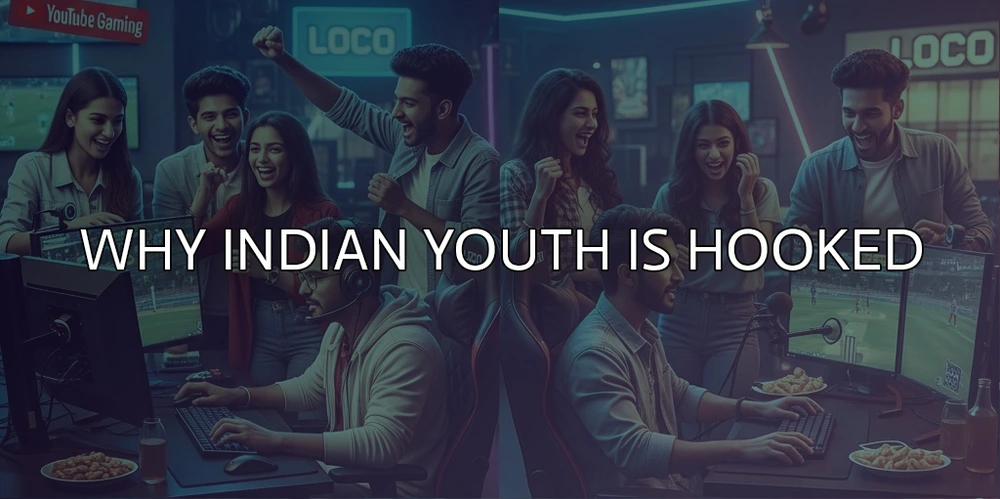
India’s youth is gravitating toward esports and virtual cricket because these platforms offer more than just entertainment—they provide identity, connection, and opportunity. Competitive gaming rewards skill, strategy, and quick reflexes, making it attractive to those seeking recognition beyond academics or traditional sports.
Social interaction also plays a key role. Gamers form communities, stream content, and collaborate in tournaments, building friendships and followings online. Platforms like YouTube Gaming and Loco allow them to become influencers or streamers, often with significant earning potential.
Culturally, virtual cricket taps into India’s love for the sport, blending nostalgia with interactive play. Fantasy leagues and mobile cricket games offer daily engagement and rewards, making them addictive yet accessible.
Commercial Growth
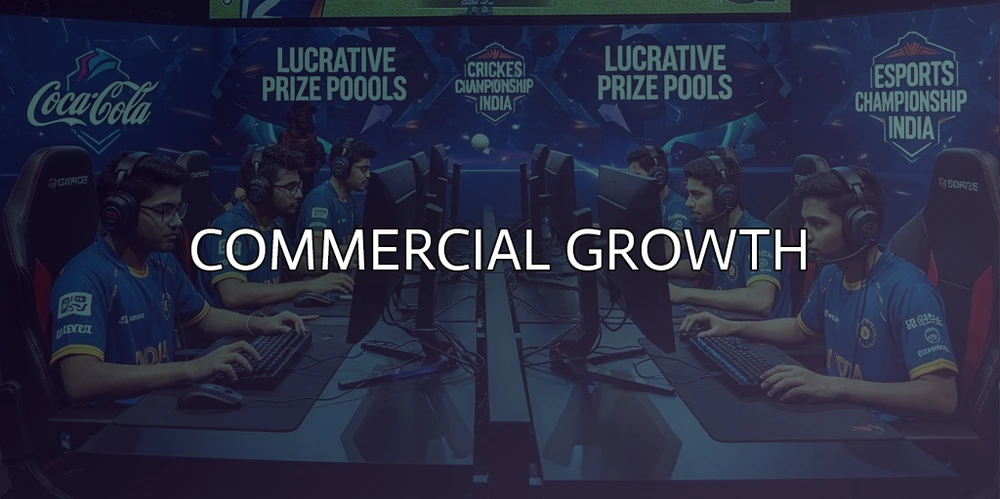
The commercial growth of esports and virtual cricket in India has been phenomenal. What started as grassroots gaming is now a multi-crore industry attracting investments from global brands, tech giants, and media houses. Major tournaments like the BGMI Masters Series and Valorant Conquerors Championship feature lucrative prize pools, drawing in millions of viewers and sponsorship deals from companies like Red Bull, Airtel, and Hyundai.
Streaming platforms such as Loco, Rooter, and YouTube Gaming are monetizing content through ads, brand partnerships, and fan donations, creating revenue streams for creators and teams. Fantasy platforms like Dream11 and MPL have turned casual fans into paying users, blending sports and gaming commerce.
Esports organizations, gaming studios, and even colleges are tapping into this momentum, offering training, jobs, and brand deals. As India’s gaming market matures, its commercial potential rivals that of traditional sports, signaling a long-term industry boom.
Challenges and Criticism
Despite rapid growth, esports and virtual cricket in India face several challenges. One of the major concerns is the lack of regulatory oversight, leading to inconsistent tournament standards, player exploitation, and prize money disputes. Additionally, some games have faced government bans over data privacy and national security issues, disrupting careers and investments.
Socially, gaming addiction, screen time, and its impact on mental and physical health are frequently criticized by parents and educators. The perception that gaming is “unproductive” still lingers, especially in conservative households.
There’s also limited infrastructure—few dedicated esports arenas, training facilities, or formal education programs exist outside metro cities. Monetization remains difficult for many creators due to intense competition and unstable income streams.
Final Thoughts
Esports and virtual cricket are no longer fringe activities in India—they are shaping a new digital sporting era for the youth. What began as a pastime has evolved into a vibrant ecosystem offering entertainment, community, and career opportunities. With growing infrastructure, brand investment, and cultural relevance, the industry is poised for sustained success.
However, this growth must be balanced with responsible gaming practices, improved regulation, and wider acceptance from families and institutions. Educating players, parents, and educators about the potential and pitfalls of gaming is essential for long-term impact.
India stands at a turning point where esports and virtual cricket can become global powerhouses, not just in participation but also innovation and leadership. If nurtured thoughtfully, this revolution could redefine the country’s sporting identity and empower millions of young Indians to pursue passion with purpose.
Leo Falsafi is a digital marketing veteran and senior journalist at Virlan.co, where he covers the intersection of digital marketing, gaming, and breaking US trending news. With nearly two decades of hands-on experience in SEO and digital strategy, Leo has consulted for and scaled hundreds of companies. His deep industry roots allow him to deliver sharp, fact-checked insights and analysis on the trends shaping today's digital landscape.