
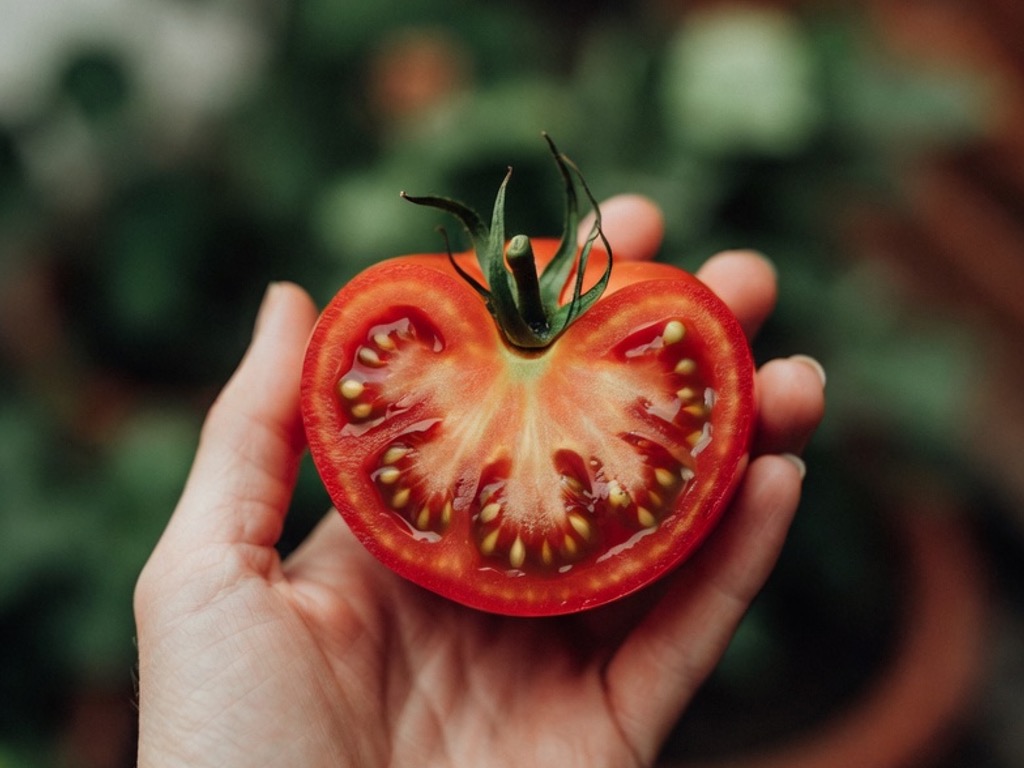
The Juicy Truth Behind TikTok’s Latest Obsession
In the unpredictable world of viral trends, TikTok has once again served up a peculiar culinary curiosity: the “sucking garden seeds” phenomenon. Videos racking up millions of views show users enthusiastically biting into fresh cucumbers, tomatoes, and even squash, not for the flesh, but to extract and consume the gooey seed pulp directly. The appeal, according to trend participants, lies in an intense, unadulterated burst of “fresh” flavor – a raw connection to nature’s bounty. For many, it’s a novel way to experience produce, transforming everyday garden vegetables into a unique, if questionable, snack. While the visual novelty and the promise of a distinct taste sensation draw viewers in, experts are quickly stepping forward with stark warnings about the hidden perils behind this seemingly innocuous garden experiment.
More Than Just a Snack? The Allure of Freshness
At first glance, the trend seems to tap into a broader desire for fresh, whole foods and a closer relationship with what we eat. Advocates of the seed-sucking method often describe it as the ultimate expression of farm-to-table dining, bypassing any processing to get the purest essence of the fruit. It’s pitched as a “waste-not, want-not” approach, utilizing parts of the produce that might otherwise be discarded. This aligns with the DIY and natural living movements that frequently find a home on platforms like TikTok. Many genuinely believe they’ve stumbled upon a revolutionary way to enjoy the vibrant flavors of their homegrown vegetables, sharing their “discoveries” with an eager audience, perpetuating the cycle of curiosity and emulation. However, the enthusiasm overlooks critical distinctions between enjoying fresh produce and consuming specific plant parts in an unsafe manner.
The Unripe Side: What You’re Really Sucking On
Beneath the veneer of natural freshness lies a complex biological reality and a host of potential health hazards. Unlike the edible, often roasted, seeds of pumpkins or sunflowers, many garden seeds are simply not meant for direct consumption, especially when raw or unripe. A primary concern is the presence of natural plant toxins. For instance, seeds from the nightshade family (which includes tomatoes, despite being a fruit botanically) can contain solanine and other glycoalkaloids, which in significant quantities can cause gastrointestinal distress, headaches, and even more severe neurological symptoms. Furthermore, the seeds of many commercially available fruits and vegetables are treated with fungicides and pesticides to protect them during germination and growth. These chemicals are not intended for human ingestion and can pose serious health risks. Even organically grown seeds can harbor harmful bacteria like E. coli or Salmonella, especially if the produce has come into contact with contaminated soil or water. The direct consumption of unwashed, unprocessed garden seeds, therefore, becomes a gamble with potential microbial contamination and chemical exposure.
Not All Seeds Are Created Equal: Separating Fact from Fiction
The TikTok trend dangerously blurs the lines between genuinely edible seeds and those best left alone. While we regularly consume seeds from fruits like berries, grapes, and even processed seeds from grains, these are either naturally safe, present in small quantities, or have undergone specific processing to render them edible. The raw, internal seeds of many garden vegetables fall into a different category entirely. It’s a common misconception that if a fruit is edible, all its parts, including the seeds, are equally safe. This is far from the truth. For example, apple seeds contain amygdalin, which converts to cyanide in the digestive system. While small quantities are unlikely to cause harm, it highlights the inherent chemical defenses plants possess. For the seeds involved in the TikTok trend, the risk isn’t just about potential toxicity but also about the physical properties and digestibility. Our bodies are not designed to efficiently process many types of raw, untreated seeds, potentially leading to digestive issues even without overt toxic compounds.
Cultivating Caution: Safer Ways to Enjoy Your Harvest
For eager home gardeners and health-conscious consumers alike, the key is to prioritize safety and informed choices. Rather than succumbing to potentially dangerous viral fads, there are myriad safe and delicious ways to enjoy your garden’s bounty and even utilize its seeds. If you’re keen on seed saving for future planting, ensure you understand the specific methods for harvesting, cleaning, and storing them – processes that rarely involve direct oral consumption. For culinary enjoyment, always thoroughly wash your produce to minimize surface contaminants. If you wish to consume seeds, opt for varieties specifically marketed as edible and processed for human consumption, such as roasted pumpkin seeds, sunflower seeds, or flaxseeds, which have known nutritional benefits and are prepared safely. When it comes to embracing the freshness of your garden, stick to eating the ripe, edible parts of fruits and vegetables, and always consult reliable gardening and health resources before experimenting with unusual consumption methods. Your health is far more valuable than a fleeting viral moment.
Sources
Frequently Asked Questions About the TikTok Seed Trend
No, generally it is not safe. Many garden seeds, especially when raw and unprocessed, can contain natural toxins, pesticides, or harmful bacteria that are not intended for human consumption.
The trend often features seeds from common garden fruits like cucumbers, tomatoes, and various types of squash (e.g., zucchini, pumpkin). However, the specific type of seed does not negate the risks.
The trend appeals due to its novelty, the perceived ‘fresh’ and intense flavor experience promised by participants, and the visual appeal of a unique, DIY culinary act. It taps into the broader interest in natural foods and viral challenges.
Risks include exposure to natural plant toxins (e.g., solanine in nightshade seeds), residual pesticides or fungicides used to treat seeds, and microbial contamination from bacteria like E. coli or Salmonella. These can lead to gastrointestinal issues, allergic reactions, or more severe poisoning.
If you have consumed raw garden seeds and are experiencing symptoms such as nausea, vomiting, diarrhea, abdominal pain, headache, or any other unusual reactions, seek medical attention immediately. Inform your doctor about what you consumed.