
The Heartbreaking Truth Behind Punch, the Viral Baby Macaque
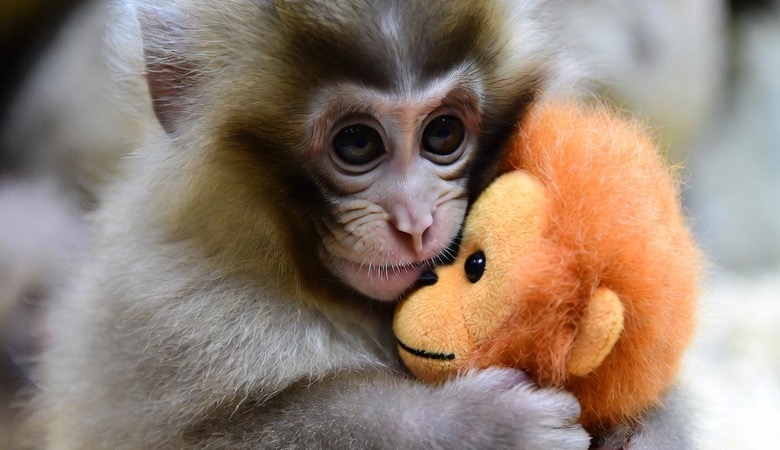
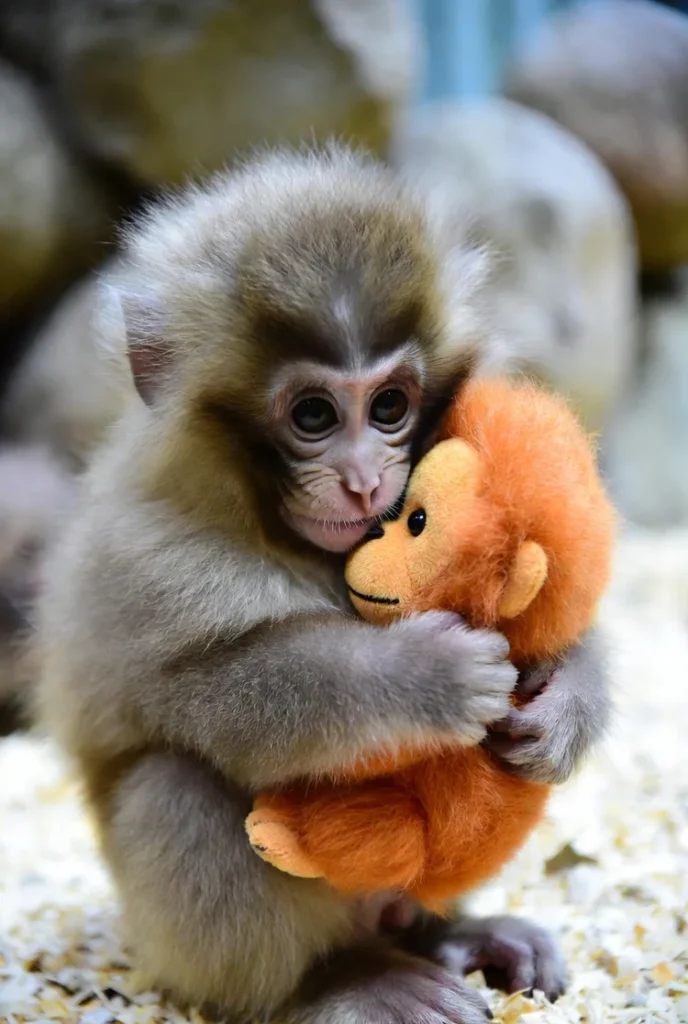
Japan’s Ichikawa City Zoo has a new star, and his name is Punch. This adorable baby macaque has catapulted to global fame, not for daring escapes or extraordinary feats, but for something far more tender and, ultimately, concerning: his unwavering devotion to a bright orange stuffed orangutan. While footage of Punch cuddling, carrying, and even ‘feeding’ his inanimate companion has charmed millions across social media, experts are now sounding the alarm, warning that behind the viral cuteness lies a critical developmental need that only a real maternal figure can fulfill.
Punch the Baby Macaque: Japan’s #Viral Star Steals Hearts, But Is His Future in Jeopardy?
— VIRLAN Games (@virlanco) February 22, 2026
The Heartbreaking Truth Behind Punch, the Viral Baby Macaque
Read more: https://t.co/S0zp6kFL1B pic.twitter.com/S4A8G5fG4h
Ichikawa City Zoo’s Unexpected Star: Why Everyone Loves Punch
From the moment his videos began circulating, Punch’s story resonated. An orphaned baby, separated from his birth mother, found solace in a plush toy. This heartwarming narrative tapped into universal themes of loneliness, comfort, and the search for connection. Crowds now flock to the Ichikawa City Zoo, eager to catch a glimpse of the now-famous punch the baby macaque and his fuzzy friend. Online, discussions about viral monkey punch dominate feeds, with countless shares and comments celebrating his charm. Yet, zoo staff face a delicate balance: managing his newfound celebrity while ensuring his fundamental needs are met.
More Than a Toy: The Significance of Punch’s Stuffed Companion
The image of the monkey with stuffed animal has become synonymous with Punch’s identity. For many, it’s simply an ‘aww’-inducing moment. However, primate behaviorists view this attachment with a more nuanced lens. In the absence of a real mother, a stuffed toy can offer tactile comfort and a sense of security, mimicking the physical presence a baby macaque would naturally seek. While this temporary substitute is understandable, it cannot replicate the complex social learning, grooming, and emotional regulation taught by a biological mother or an appropriate surrogate within a troop. This reliance on an object highlights a profound gap in Punch’s early development.
The Urgent Plea: Why This Japanese Macaque Needs a Real Mother
Experts, including those cited by TMZ, are unequivocal: punch the viral monkey needs a real mother to thrive. A japanese macaque, particularly a baby, learns critical social cues, survival skills, and emotional boundaries through interaction with its mother and troop. Without this essential bond, Punch risks developing behavioral issues, social maladjustment, and an inability to integrate properly into a macaque community. The urgency isn’t just about comfort; it’s about setting the foundation for a healthy, well-adjusted adult life. The question of where is Punch the monkey’s real mother has become the central, heartbreaking query.
Beyond the Hype: What’s Next for Punch the Monkey?
The Ichikawa City Zoo is reportedly exploring options for Punch’s future, with the primary goal being to facilitate a bond with a surrogate mother macaque. This process, often complex, involves careful introductions and monitoring to ensure acceptance and a successful transition. For fans worldwide, every punch the monkey update is eagerly awaited, hoping to hear that punch the monkey accepted a new maternal figure. His story serves as a powerful reminder that behind the captivating viral moments, real animals have real, often complex, needs that demand responsible and compassionate care.
Sources:
Punch the baby macaque is currently located at the Ichikawa City Zoo in Japan.
Punch gained viral fame due to videos showing him affectionately cuddling and carrying a stuffed orangutan toy, a poignant display given his orphaned status.
Punch is a Japanese macaque, also known as a snow monkey.
Yes, Punch is a real baby macaque and a resident of the Ichikawa City Zoo.
Experts are concerned about Punch’s emotional and developmental well-being, emphasizing the critical need for him to bond with a real mother or surrogate for proper social and behavioral development, as a stuffed toy cannot provide these essential interactions.