The Rise of Chinamaxxing: A New Digital Obsession
A curious new wave is sweeping through Gen Z’s digital landscape: Chinamaxxing. This burgeoning trend sees young people deeply engrossed in a romanticized version of Chinese culture, lifestyle, and aesthetics. From the efficient public transport of bustling cities to the perceived simplicity of daily routines, online creators are sharing snippets that paint an alluring picture of life in China. It’s a departure from the usual Western-centric content, offering an alternative vision of progress and modernity that resonates with a generation often disillusioned by their own societies. What began as niche fascination has rapidly escalated into a viral movement, attracting millions with its vibrant visuals and narratives of order and community, as highlighted by News18.
Gen Z’s ‘Chinamaxxing’ Craze: Is it Cultural Enlightenment or Dangerous Romanticism?
— VIRLAN Games (@virlanco) February 23, 2026
Read more: https://t.co/qS3DkOn6kQ pic.twitter.com/K86jSuNbyd
“Becoming Chinese”: Decoding the Lifestyle Shift
The essence of the “becoming Chinese” trend isn’t about nationality, but about adopting an idealized persona rooted in Chinese cultural elements. This can manifest in countless ways: embracing specific fashion styles, delving into C-dramas and Mandopop, attempting basic Mandarin phrases, or even just appreciating Chinese philosophy and art. For many, it’s a search for identity, a yearning for structure, or an escape from the perceived chaos of Western life. The BBC notes the sensation of a ‘very Chinese time in your life’, suggesting a profound, albeit often superficial, immersion into a different cultural framework that contrasts sharply with familiar experiences.
TikTok’s Role: Fueling the China Maxxing Meme
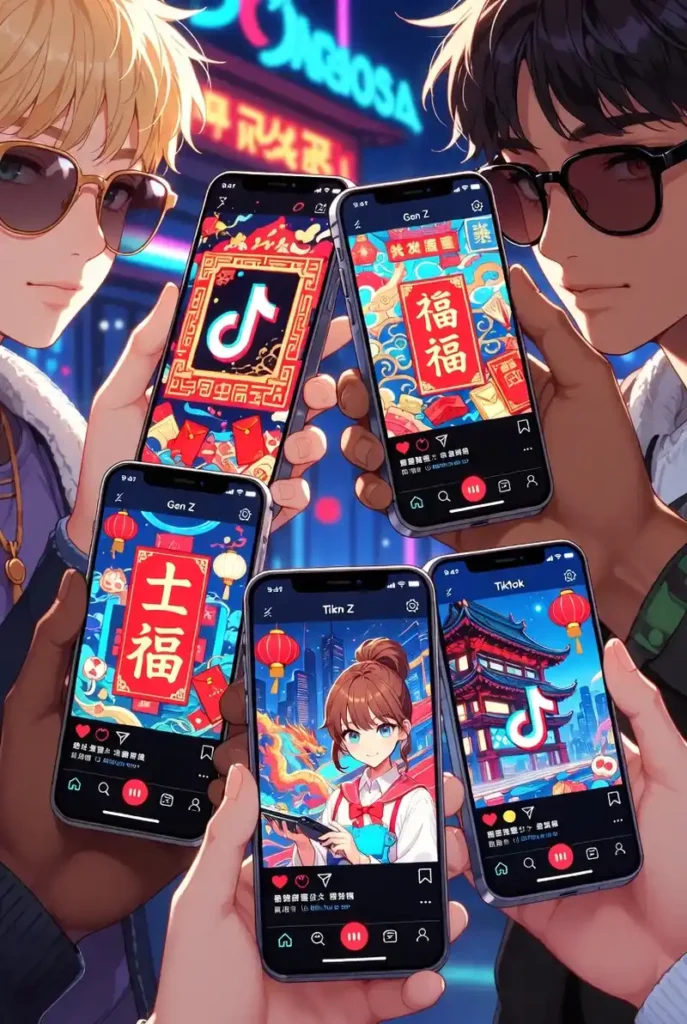
Unsurprisingly, TikTok is the undisputed epicenter of the China maxxing meme. Its short-form video format and powerful algorithm are perfectly suited to disseminate aesthetically pleasing content that captivates Gen Z. Viral videos showcasing everything from street food tours and tech innovations to traditional arts and modern architecture spread like wildfire. The platform transforms complex cultural ideas into digestible, shareable snippets, creating a seemingly endless loop of curated content that reinforces the romanticized narrative. This digital virality isn’t just entertainment; it’s a powerful engine driving cultural perception and engagement on a global scale.
Beyond the Trend: China’s Soft Power Play
While many Chinamaxxers might view their activities as pure cultural exploration, the trend carries significant geopolitical weight. The romanticized portrayal of China, often emphasizing its advancements, efficiency, and cultural richness, serves as an potent, albeit indirect, boost to China’s soft power. It projects an image of a desirable, stable, and forward-thinking nation, effectively counteracting negative narratives often prevalent in Western media. This organic, user-generated content bypasses traditional media gatekeepers, subtly shaping global youth perceptions and fostering a more favorable view of the country, as also observed by the BBC.
The Controversial Edge: Romanticizing a Communist Society?
Yet, Chinamaxxing is not without its critics. A significant concern revolves around the trend’s tendency to romanticize life within a Communist society, often at the expense of acknowledging its complex political realities and human rights issues. The New York Post bluntly labels it a “senseless trend” for its apparent ignorance or willful dismissal of the socio-political context. This raises crucial questions: Are young people truly engaging with Chinese culture, or merely consuming a curated, sanitized version? Is the pursuit of aesthetic appeal inadvertently normalizing or even glorifying a system that operates with drastically different principles than many Western democracies? This debate highlights the fine line between cultural appreciation and political blindness.
The Global Impact: A “Very Chinese Time” for Gen Z?
So, is this a fleeting digital fad or a harbinger of a deeper shift in global cultural influence? Chinamaxxing speaks to Gen Z’s global interconnectedness, their quest for authentic experiences, and perhaps, their disillusionment with prevailing cultural norms. It reflects a generation more open to exploring diverse lifestyles and narratives, yet also one susceptible to highly curated, potentially misleading, online portrayals. As China continues to grow its global footprint, this trend underscores the powerful, sometimes problematic, ways in which digital media shapes perceptions, inviting us all to critically examine the content we consume and the narratives we inadvertently promote.
Sorces: