
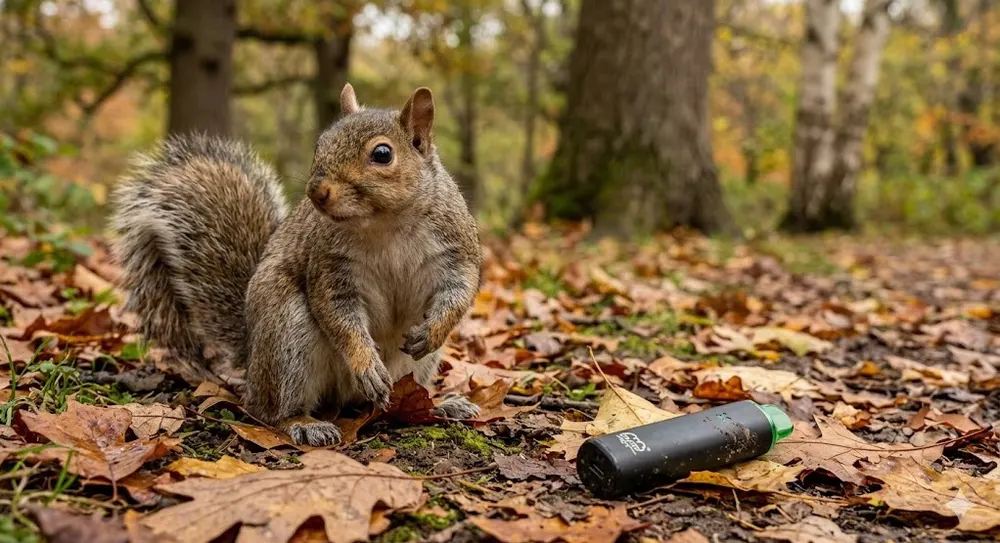
No, squirrels are not actually “vaping” in the way viral social media posts suggest, nor are they developing an e-cigarette habit. The recent surge of bizarre images and videos depicting squirrels seemingly puffing on vape pens is largely a product of clever editing, misleading angles, or outright fabrication, sparking alarm among animal welfare groups who warn of the real, hidden dangers should wildlife be exposed to discarded nicotine products.
The Great Squirrel Vape Hoax: Why Your Feed Is Lying & What It Means For Wildlife
From TikTok to X, your social media feeds have likely been inundated with a peculiar sight: squirrels appearing to puff away on e-cigarettes. These viral images and videos, often shared with humorous captions, have quickly become a pervasive internet phenomenon. But beneath the chuckle-inducing absurdity lies a crucial question: is this real, or just another trick of the digital age? The answer, unequivocally, leans heavily towards the latter. Animal experts and fact-checkers confirm that these ‘vaping squirrels’ are overwhelmingly the result of clever photo manipulation, forced perspectives, or simply misinterpreting objects held by the animals. While the visual gag might be compelling, the notion of wild rodents actively engaging in e-cigarette use is pure fiction, designed for maximum online engagement rather than accurate depiction of wildlife behavior. This rapid spread of unverified content highlights a recurring challenge in our hyper-connected world: distinguishing between genuine observation and engineered spectacle.
The Perilous Path of Perception: Wildlife and Misinformation
The speed at which the ‘vaping squirrel’ narrative took hold underscores a significant issue: the ease with which misinformation, particularly involving wildlife, can proliferate online. In an era where visual content reigns supreme, a single manipulated image can quickly bypass critical scrutiny and become an accepted ‘fact’ in the minds of millions. This phenomenon isn’t new; countless instances of fake animal stories or edited images have captivated audiences, often with little regard for the actual truth or potential consequences. For wildlife, such widespread misinformation can be particularly damaging. It distorts public understanding of animal behavior, trivializes genuine threats they face, and can even desensitize individuals to the ethical treatment of creatures sharing our environment. When humor trumps truth, the line between harmless entertainment and harmful deception blurs, impacting our collective perception of the natural world.
The Real Dangers: What Nicotine Could Do to Our Furry Friends
While the images of vaping squirrels are largely a hoax, the underlying subject — e-cigarettes and nicotine — poses very real and severe dangers to animals. E-liquids contain highly concentrated nicotine, a potent neurotoxin, along with other chemicals like propylene glycol and various flavorings, many of which are toxic. For a small animal like a squirrel, even a tiny amount of ingested nicotine can be lethal. Symptoms of nicotine poisoning in animals can include vomiting, diarrhea, tremors, seizures, increased heart rate, and even death. The discarded vape pens themselves also present a physical hazard, as animals might attempt to chew on them, leading to internal injuries or exposure to residual liquid. Animal welfare groups consistently warn about the hidden perils of littering e-cigarette products, highlighting that regardless of viral trends, these devices are not toys and should be kept far away from curious wildlife and pets alike. This serves as a stark reminder that our human habits have tangible impacts on the creatures around us.
Beyond the Laughs: Animal Welfare Concerns
The viral sensation, despite its fabricated nature, has raised legitimate alarm among animal welfare organizations globally. Their concern isn’t just about the spread of misinformation, but about the potential for real harm stemming from the trend. Firstly, there’s the risk that some individuals might attempt to recreate these viral moments, actively trying to force animals to interact with vape pens, leading to stress, injury, or forced nicotine exposure. Secondly, the widespread visibility of e-cigarettes in such contexts could inadvertently normalize their presence around animals, leading to increased littering of discarded devices which, as mentioned, are highly toxic. Animal advocacy groups are tirelessly working to educate the public on the severe risks associated with nicotine and e-cigarette chemicals for wildlife and pets. They emphasize that while a laugh might be momentary, the potential for suffering caused by irresponsible human behavior or accidental ingestion of these products is a serious and enduring threat to our furry neighbors.
Social Media’s Role: Fueling the Fire or Fostering Facts?
The ‘vaping squirrel’ phenomenon is a quintessential case study in the double-edged sword of social media. On one hand, these platforms offer unparalleled reach for information and awareness campaigns. On the other, their algorithms often prioritize engagement over veracity, leading to the explosive spread of content regardless of its truthfulness. A quirky, humorous, and slightly shocking image of a vaping squirrel is tailor-made for viral dissemination, whereas a nuanced explanation of photo manipulation or animal toxicology struggles to keep pace. This creates an environment where debunking a hoax becomes far more challenging than initiating it. Social media companies face ongoing criticism for their role in this dynamic, with calls for greater accountability in curbing the spread of misleading content. Users, too, bear a responsibility to exercise critical thinking, question sensational claims, and verify sources before hitting ‘share,’ becoming part of the solution rather than contributing to the problem.
The Ethical Lens: Our Responsibility to Wildlife
Ultimately, the saga of the ‘vaping squirrels’ calls into question our collective ethical responsibility towards wildlife. Is it harmless fun to create and share fabricated images for likes and shares, even if it propagates a falsehood and potentially normalizes harmful interactions? Many argue that exploiting animals, even through digital manipulation, for entertainment can diminish respect for their natural existence and inadvertently encourage reckless behavior in the real world. Our interactions with wildlife, whether direct or through digital representation, should ideally foster appreciation, protection, and a deep understanding of their needs. This viral trend serves as a potent reminder that our digital actions have real-world implications, urging us to be more mindful, discerning, and empathetic in our consumption and creation of content involving the natural world. Let’s ensure our digital footprint promotes truth and kindness, not just fleeting amusement.
No, squirrels are not addicted to vaping or nicotine. The viral images and videos are almost entirely fabricated or misleading. Wildlife experts confirm that such behavior is unnatural and harmful.
The trend appears to have originated from various social media platforms where users shared manipulated images or videos for humorous and viral content. It’s a prime example of internet phenomena designed for quick engagement rather than factual reporting.
E-cigarettes and their liquids pose significant dangers to animals due to their high nicotine content and other toxic chemicals. Ingestion can lead to severe nicotine poisoning, causing symptoms like vomiting, tremors, seizures, and even death. Discarded vape products also present a physical hazard.
If you witness anyone attempting to force animals to interact with vape products or any other form of animal abuse, contact your local animal control, humane society, or wildlife rescue organization immediately. Provide as much detail as possible about the incident.
Yes, intentionally giving vape products, nicotine, or any other toxic substance to an animal is considered animal cruelty and is illegal in most jurisdictions. It can result in significant fines and imprisonment.